High-Performance Thermoelectric Modules
The Industrial Landscape of Thermoelectric Technology in Mexico City
In recent years, Mexico City and its surrounding metropolitan area have emerged as a powerhouse for advanced manufacturing and high-tech electronic assembly. Driven by the global wave of nearshoring and the robust USMCA trade agreement, the demand for sophisticated thermal management systems has surged. Among these technologies, the Large Thermoelectric Module (TEC) has become a cornerstone component for local industries ranging from automotive assembly to aerospace engineering, telecommunications, and biomedical instrumentation.
Historically known for heavy manufacturing and food processing, Mexico City's industrial corridors—such as Vallejo, Naucalpan, and the nearby Querétaro tech cluster—have rapidly transitioned toward smart manufacturing and IoT-enabled industrial ecosystems. Large thermoelectric modules, which utilize the Peltier effect to provide precise solid-state temperature control without moving parts or harmful refrigerants, are vital for maintaining the stability of high-performance electronics in these demanding environments. Local manufacturing plants are increasingly integrating these modules into automated control cabinets, laser equipment, and outdoor telecom enclosures that must withstand the high ambient temperatures of Central Mexico.
Why Mexico City is a Strategic Hub for Peltier Cooling Solutions
The geographical advantage of Mexico City offers unmatched access to both North American and South American markets. Local factories and distributors benefit from integrated supply chains, allowing rapid delivery of custom thermoelectric cooling units and assemblies. Furthermore, the presence of skilled engineering graduates from prestigious institutions like the National Polytechnic Institute (IPN) and UNAM has fostered a highly capable workforce ready to design and implement complex thermal management systems. As factories upgrade to Industry 4.0 standards, the integration of smart sensors and thermoelectric modules ensures that critical machinery operates within optimal temperature windows, minimizing downtime and boosting productivity.
Global Trends in Large Thermoelectric Module Development
The global thermoelectric industry is witnessing a significant paradigm shift, characterized by the demand for higher efficiency, environmental sustainability, and extreme durability. As industries globally strive to reduce carbon footprints, the transition away from traditional compressor-based cooling systems containing high Global Warming Potential (GWP) gases has accelerated the adoption of Peltier modules. Modern large thermoelectric modules are engineered to deliver high cooling capacities (up to 400 Watts or more per module) while maintaining a compact physical footprint.
Key Technological Trends Shaping the Market:
- Advanced Semiconductor Materials: Research is heavily focused on improving the figure of merit (ZT) of bismuth telluride (Bi2Te3) alloys and exploring new materials like skutterudites and half-Heusler alloys. These advancements allow thermoelectric modules to operate at higher temperature differentials and with improved coefficient of performance (COP).
- Miniaturization and High-Power Density: While micro-TECs are vital for optoelectronics, heavy-duty industrial applications require large-scale modules that can handle massive heat fluxes. Manufacturers are now utilizing advanced ceramic substrates (such as Aluminum Nitride) to enhance thermal conductivity and mechanical strength.
- Energy Harvesting and Recovery: Thermoelectric power generators (TEGs) are increasingly being paired with industrial exhaust systems, automotive tailpipes, and solar thermal installations to convert waste heat directly into usable electricity, contributing to circular economy initiatives.
- Smart Thermal Integration: The integration of TECs with heat pipes, liquid cooling loops, and intelligent microcontrollers allows for dynamic thermal management that adapts in real-time to changing operational loads.
These trends are highly relevant to the manufacturing ecosystem in Mexico, where local automotive OEMs and tier-1 suppliers are actively seeking ways to incorporate energy-efficient components into electric vehicle (EV) battery packs and advanced driver-assistance systems (ADAS).
Localized Application Scenarios in the Mexican Market
Understanding the specific deployment scenarios of thermoelectric modules in Mexico helps manufacturers tailor their products to local requirements. Here are the primary sectors driving the utilization of these cooling solutions:
1. Automotive Industry & EV Battery Thermal Management
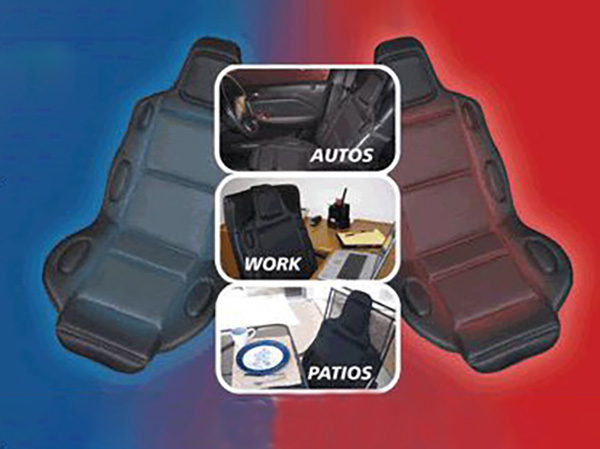
Mexico is one of the world's largest automotive producers. With major plants located in Toluca, Puebla, and the Bajío region, the transition to Electric Vehicles (EVs) has created a massive demand for precise thermal management. Large thermoelectric modules are used to regulate the temperature of battery cells during rapid charging and discharging cycles, ensuring safety and extending battery life. Additionally, high-end automotive models utilize integrated Peltier devices for climate-controlled seating systems and cooled console compartments, enhancing passenger comfort.
2. Telecommunications and Data Centers
As Mexico City expands its 5G network infrastructure, outdoor telecom cabinets are deployed in diverse and harsh environments. These cabinets contain sensitive electronics that generate significant heat. Standard air conditioning units are prone to mechanical failure and require high maintenance. Thermoelectric cooling units provide a maintenance-free, sealed cooling solution that protects electronics from dust, moisture, and extreme ambient heat, ensuring uninterrupted connectivity.
3. Medical Devices and Laboratory Instrumentation
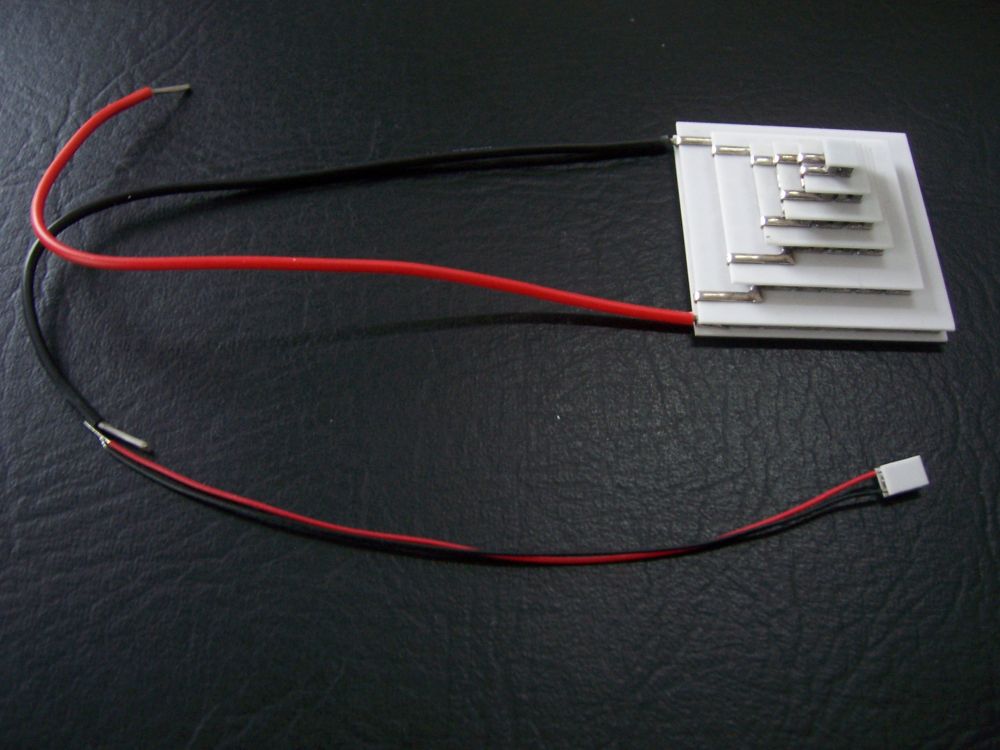
Mexico City is home to a vast network of medical device manufacturers and clinical laboratories. Precise temperature control is critical for DNA amplification (PCR thermal cyclers), blood analyzers, reagent storage, and medical imaging systems. Multi-stage and high-temperature thermoelectric cooling modules are widely integrated into these devices to achieve rapid temperature cycling and sub-degree stability.
4. Agriculture and Food Processing
In the agricultural regions surrounding Mexico City, post-harvest cooling and food preservation are critical. Thermoelectric refrigeration provides a reliable, eco-friendly method for localized storage of temperature-sensitive produce, dairy, and pharmaceuticals, particularly in remote areas where grid power may be unstable and solar-powered thermoelectric cooling systems offer a viable alternative.
Beijing Huimao Cooling Equipment Co., Ltd.
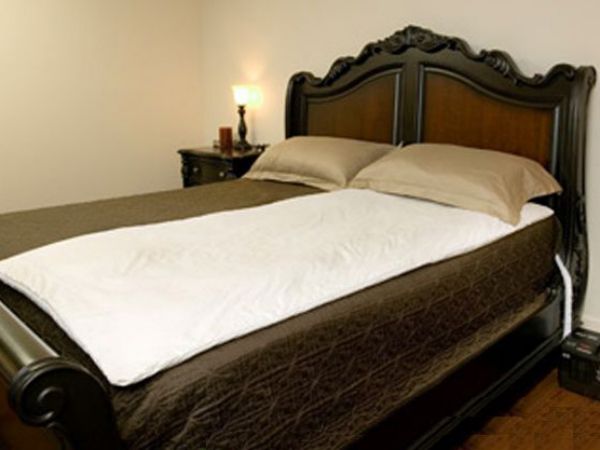
Beijing Huimao Cooling Equipment Co., Ltd. works at thermoelectric world market since 1996. Beijing Huimao Cooling Equipment Co.,Ltd is a world wide company with many years experience, specializing in the researches, designs and manufacturing of thermoelectric cooling modules and complete products. Our other technologies including bottled water cooler, thermoelectric cooling module, Mini Cooler, heat/cool car seat cushion and warm/cool sleep pad, thermoelectric therapy pad.
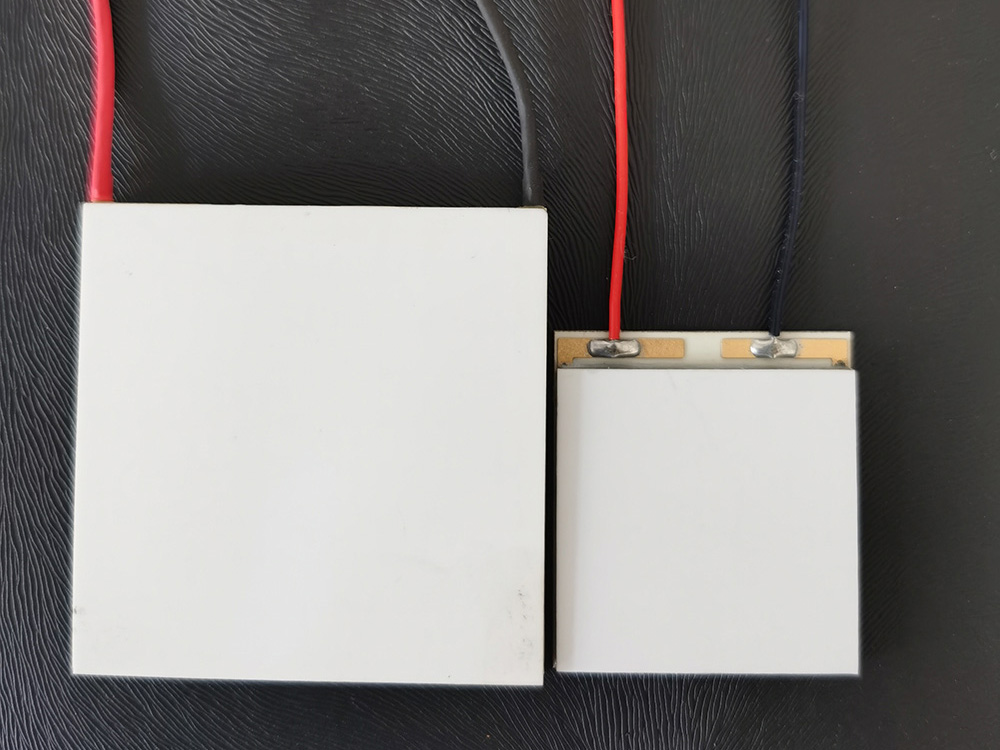
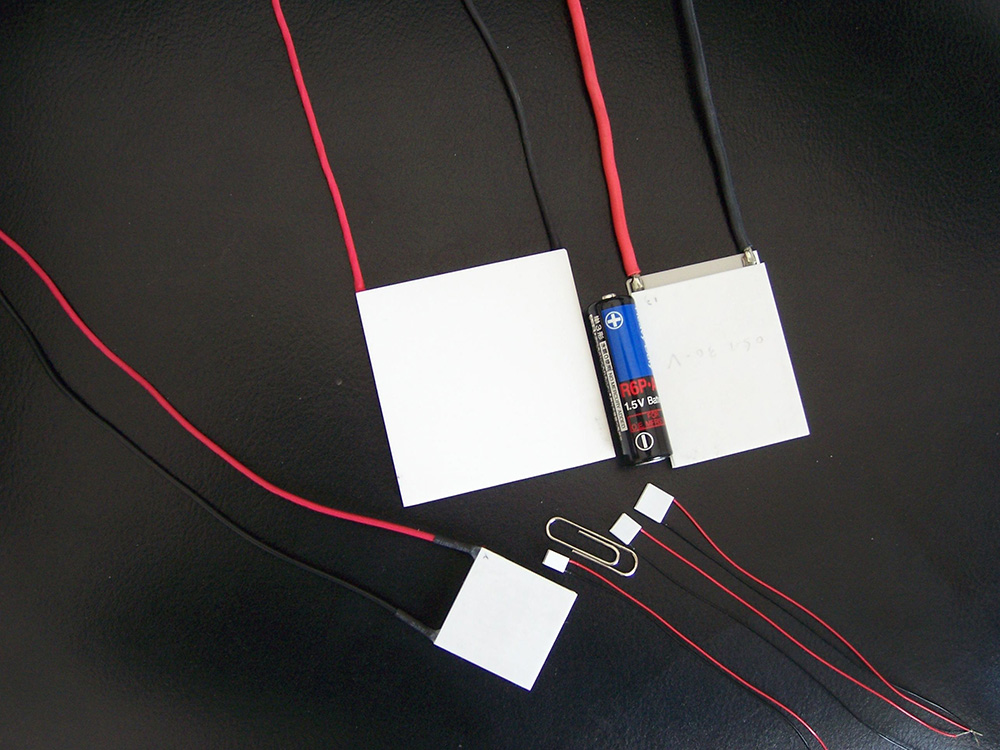
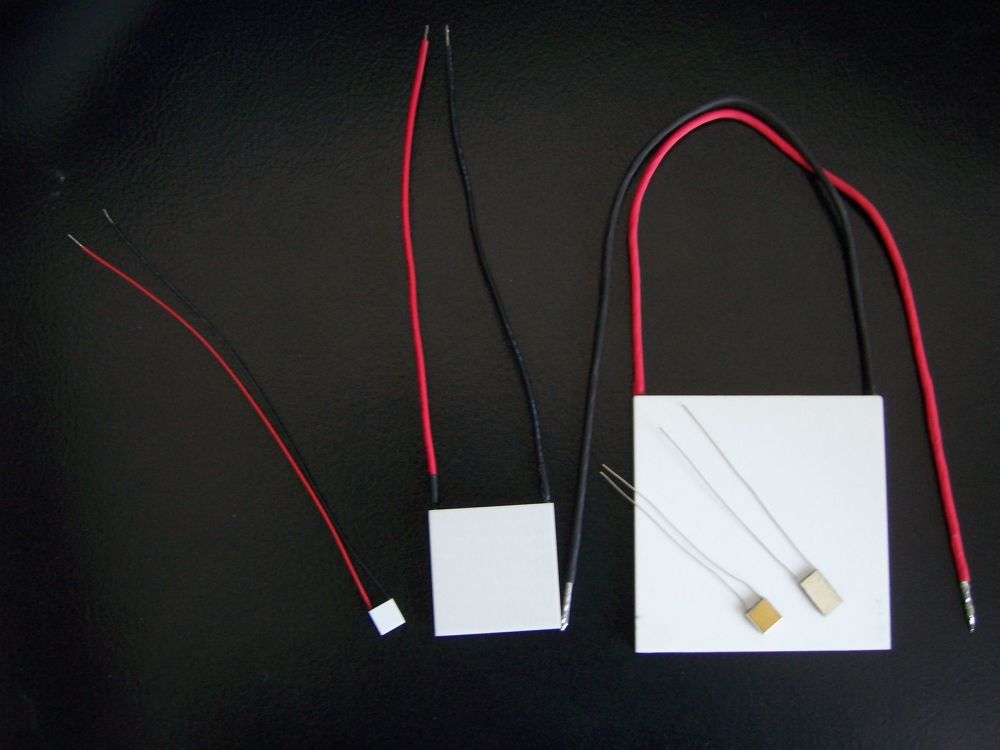
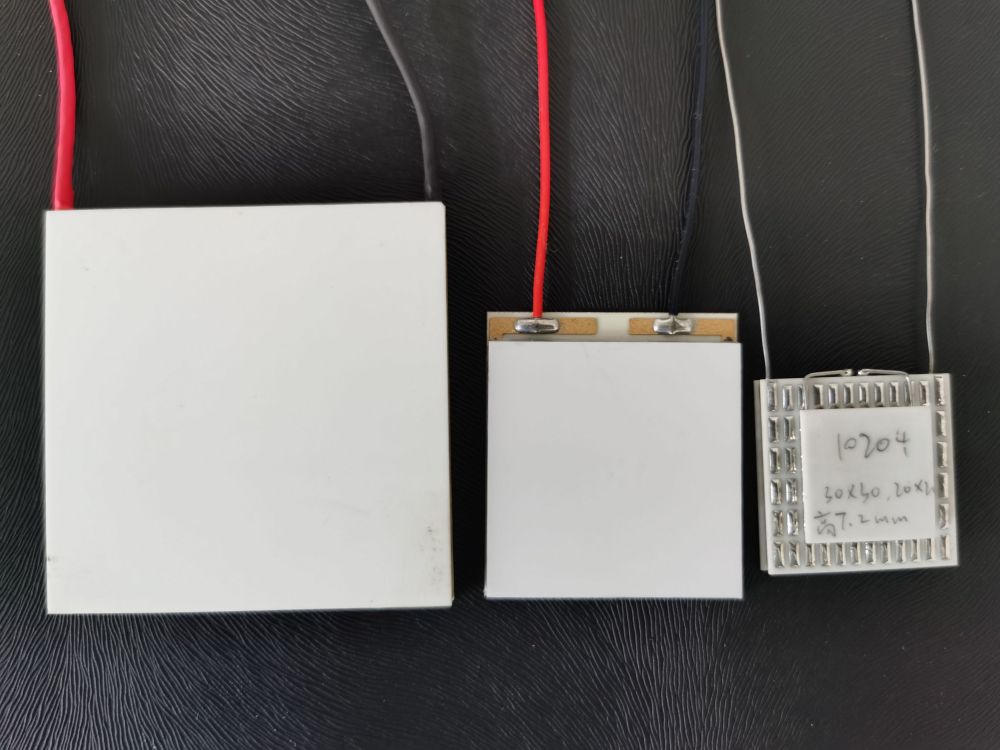
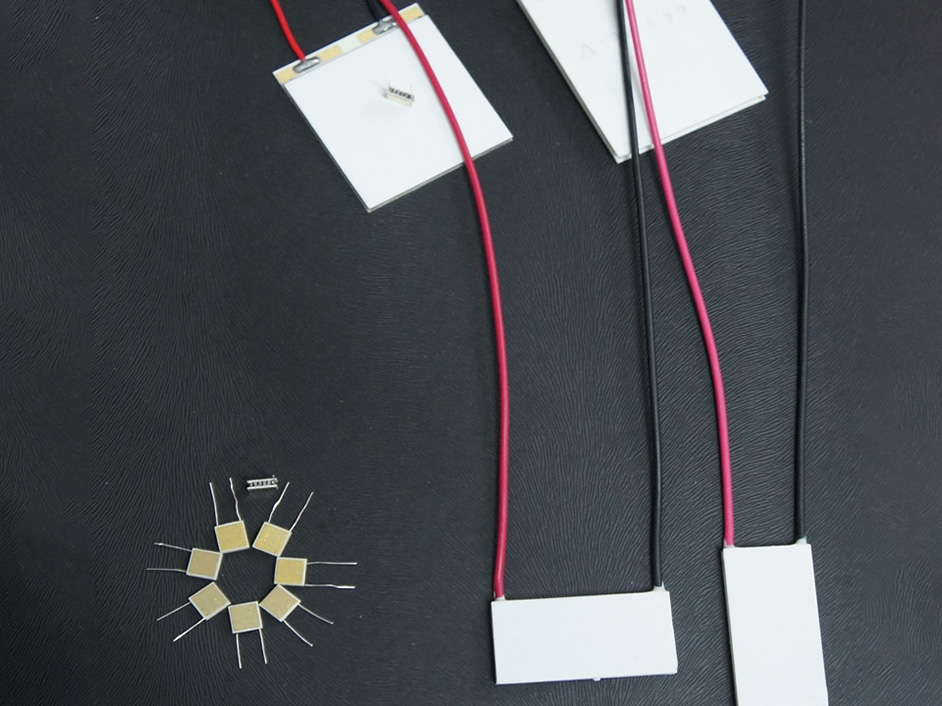
Beijing Huimao Cooling product line includes a full range of standard, single-stage, Thermoelectric cooling module, thermoelectric modules, Peltier cooler, Thermoelectric coolers, TEC module, Thermoelectric cooling, thermoelectric module, as well as standard and custom multi-stage TEC modules configured to meet the needs of specific applications. We currently introduce over 400 types of regular thermoelectric cooling modules, TEC modules that serve a wide variety of thermoelectric products applications. The TEC modules physical dimensions vary from 4.2 x 4.2 mm to 62 mm x 62 mm with the cooling capacity values of 0.1 Watts to 400 Watts respectively.
Huimao provide fully configured, custom designed assemblies incorporating thermoelectric cooling modules with heat sink, heat pipe, customer supplied parts, etc. Huimao supports all of its products with extensive technical and design assistance. All components are 100% tested prior to shipment. We strive to offer the global customers the high quality solutions and good price for OEM and end user. Our products are exporting North America, South America, EU, Western Asia, Japan, India and Australia market.
Our other factory, Beijing Huayu-Landian Refrigeration Technology Co.,Ltd, established in 2000, which manufacture the thermoelectric cooling complete products including thermoelectric cooling water coolers, warm/cold sleep pads, heat/cool car seat cushions and personal mini coolers. They have the combined capacity to produce over 200,000 units per annum.


Quality Guarantee of Huimao Thermoelectric Cooling Module
Ensuring the quality and maintaining high levels of reliability can be considered as two of the main strategic goals for Huimao’s top engineers during the process of designing a product. All Huimao products must undergo a strict evaluation and examination process prior to shipment. Every module must pass two anti-moisture testing processes to ensure the protection mechanisms are fully functional (and to prevent any future failures caused by moistures). In addition, more than ten quality control points have been put in place to supervise the production process.
Huimao’s thermoelectric cooling module, TEC modules have on average an expected useful life of 300 thousand hours. In addition, our products have also passed the severe test of alternating the cooling and heating process within very short time. The test is conducted by a repeated cycle of connecting thermoelectric cooling module, TEC modules to electric current for 6 seconds, pause for 18 seconds and then the opposite current for 6 seconds. During the test, the current may force the hot side of the module to heat up to as high as 125℃ within 6 seconds and then cool it down. The cycle repeats itself for 900 times and the total testing time is 12 hours.
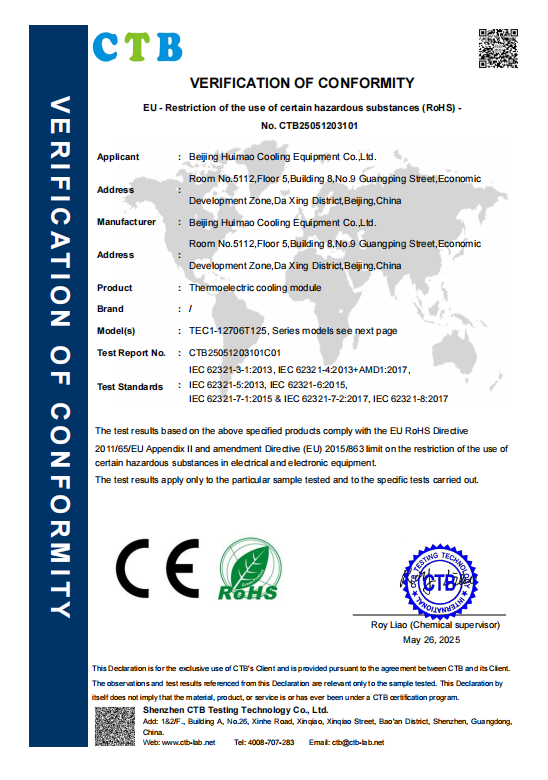
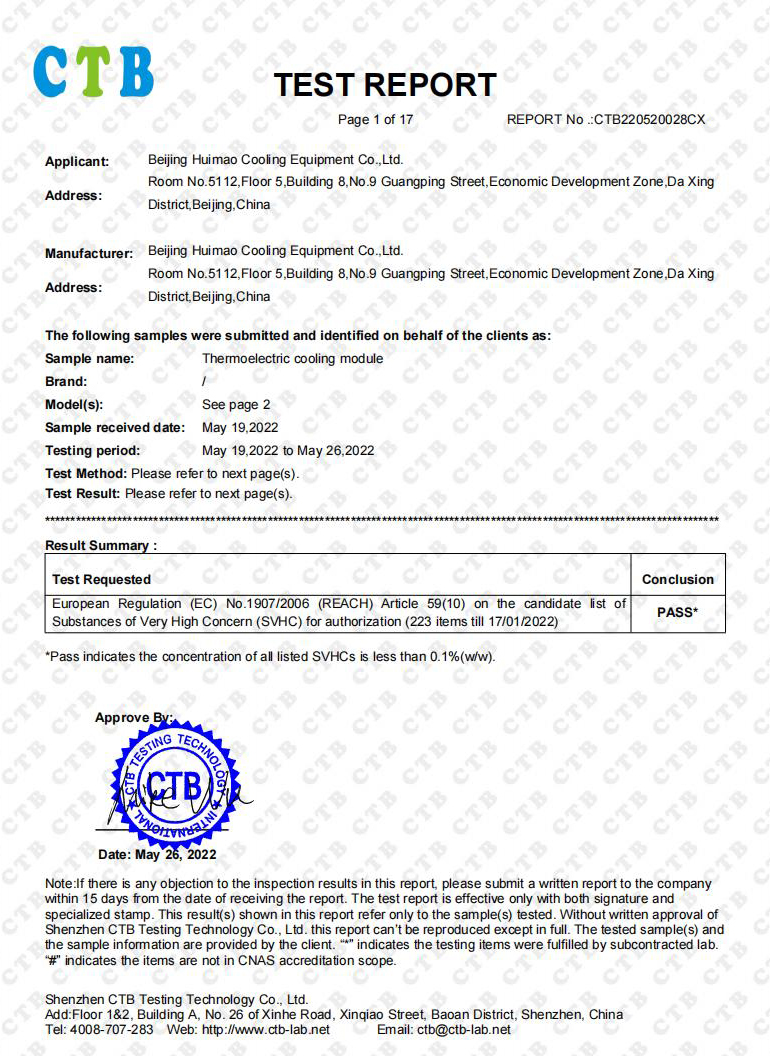
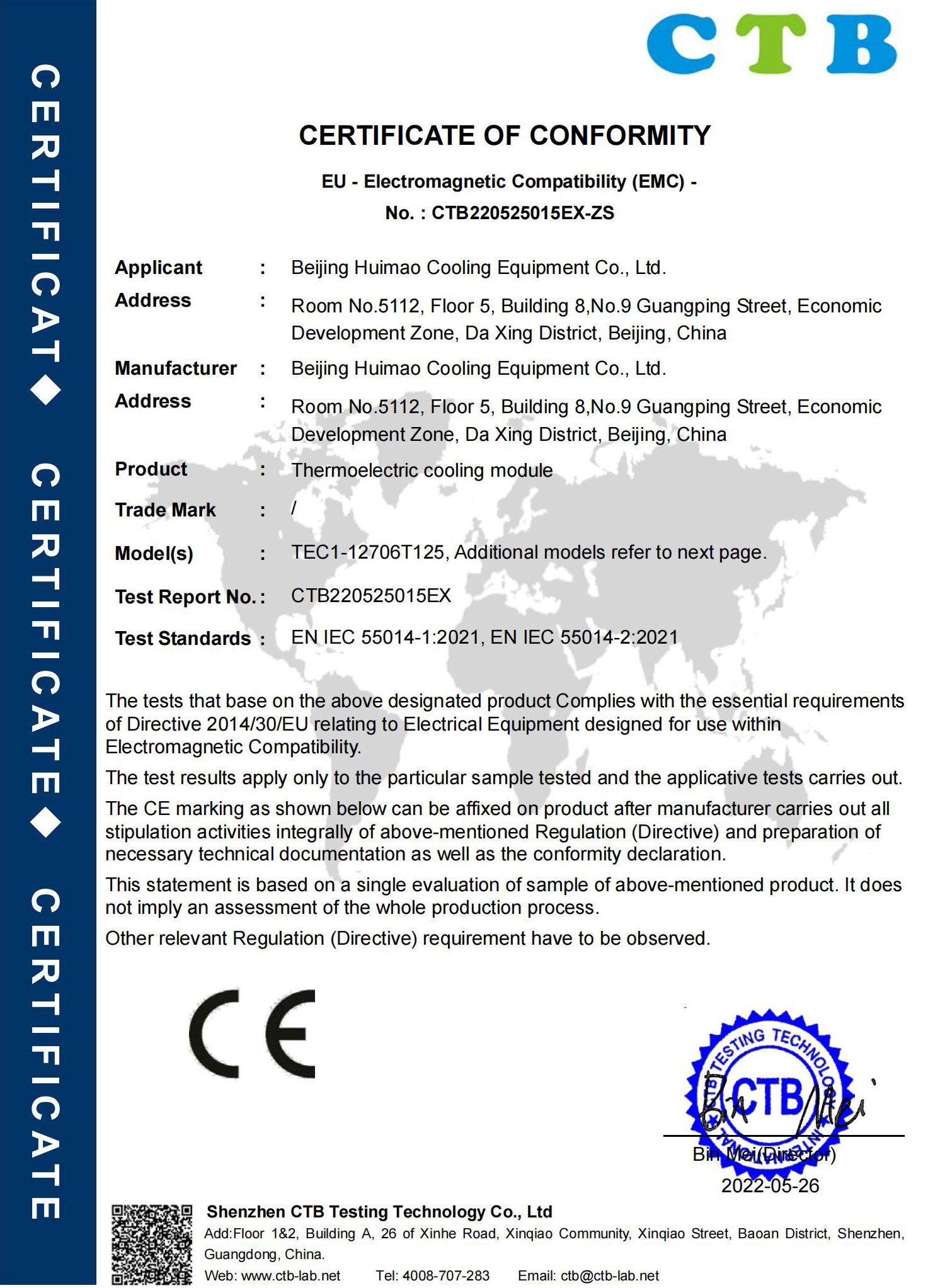
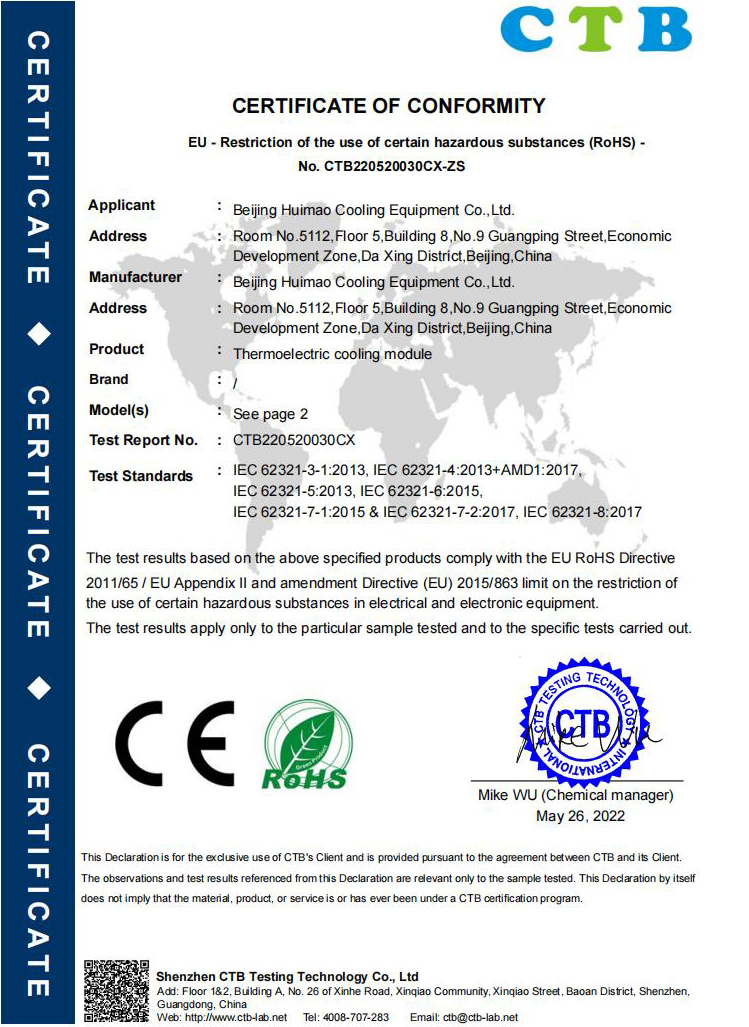
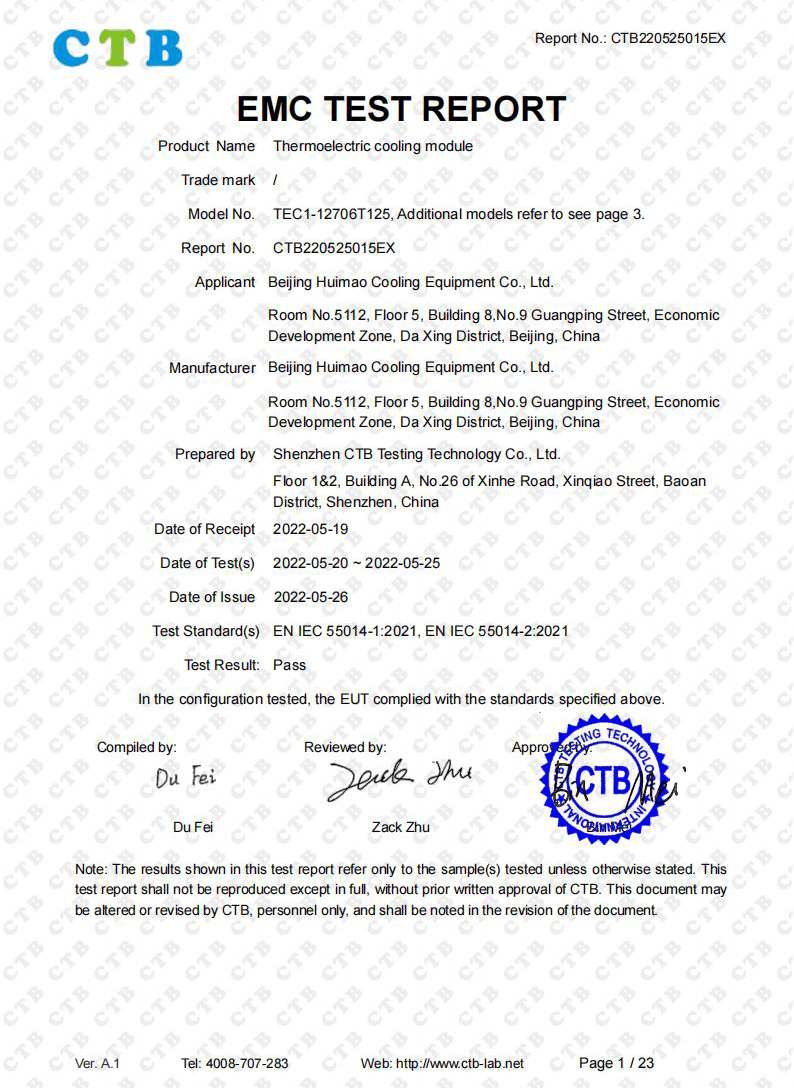
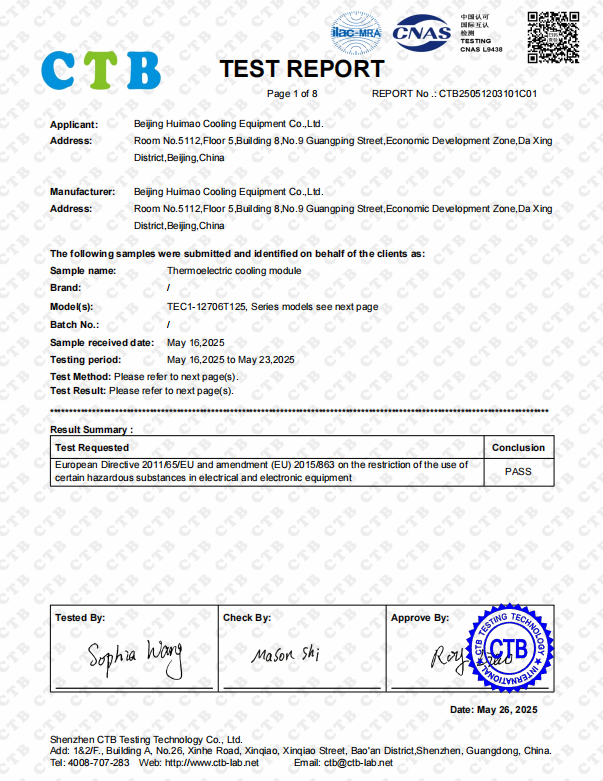
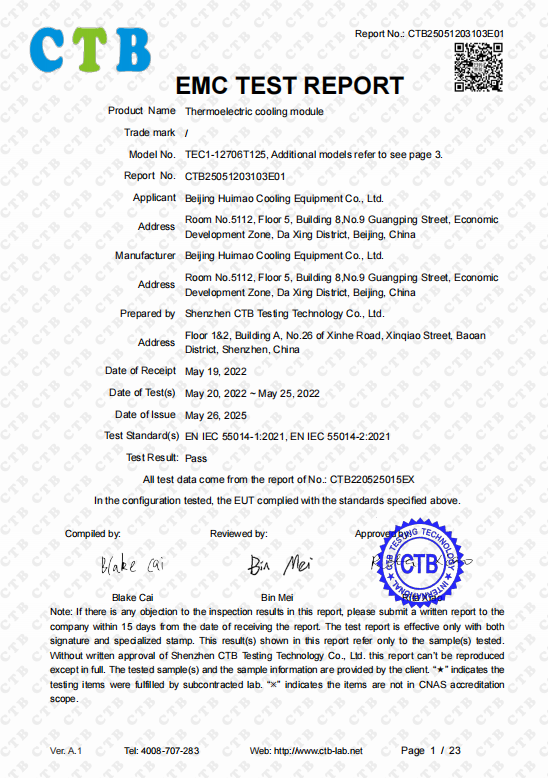
Product Certifications & Technical Reports



Complete Thermoelectric Range
-

E-mail
-

Phone
-

Top


