Key Components for CPU Waste Heat Management
Explore our top-tier thermoelectric cooling modules designed specifically to regulate temperature and harness thermal energy from high-TDP processor environments.
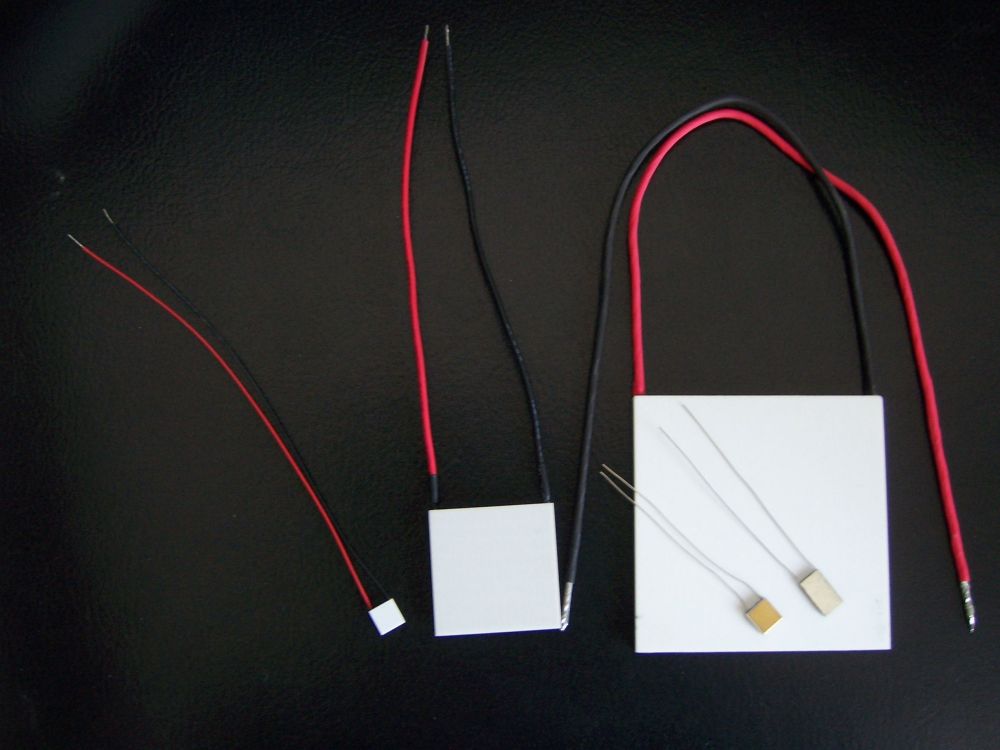
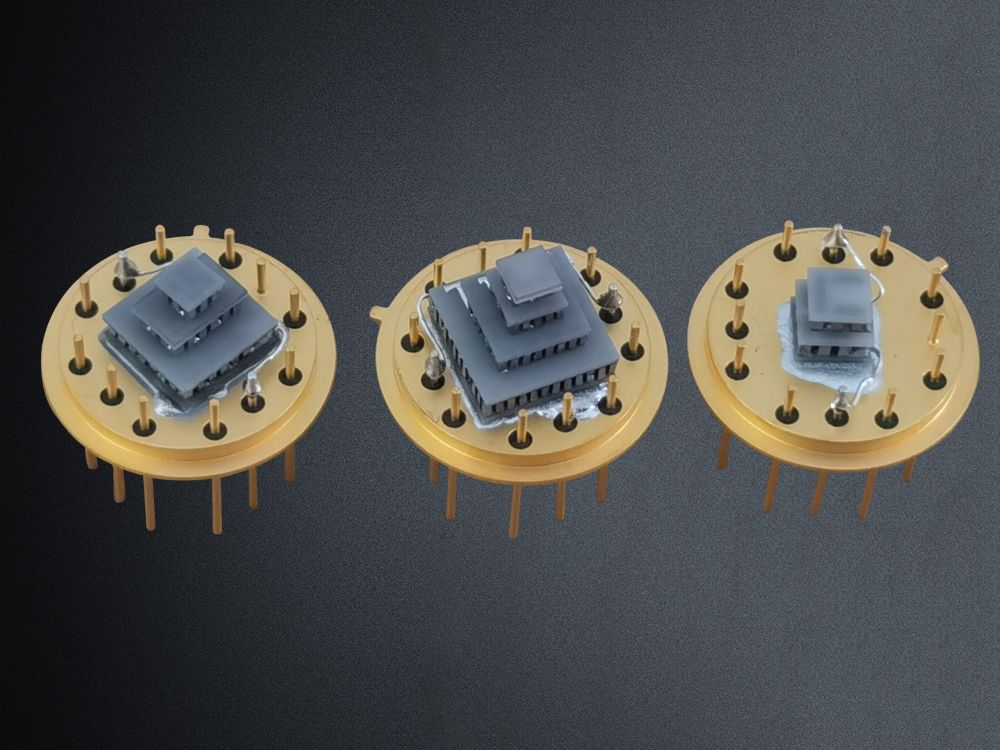

The Science of CPU Coolers in Waste Heat Generation
As silicon fabrication processes push the physical limits of Moore's Law, modern microprocessors pack billions of transistors into microscopic footprints. This dense packing results in unprecedented levels of heat dissipation, often exceeding several hundred watts per square centimeter. In high-performance computing (HPC) nodes, artificial intelligence accelerators, and enterprise server farms, managing this thermal output is no longer just about preventing system failure—it is about energy utilization. The paradigm of CPU coolers for waste heat generation represents a revolutionary shift: converting the inevitable thermal losses of microprocessors into usable electrical energy or auxiliary cooling power.
At the heart of this technology lies the Seebeck effect and the Peltier effect. When a microprocessor generates heat, a temperature gradient is established between the hot CPU die and the ambient environment. By introducing specialized thermoelectric cooling (TEC) modules and thermoelectric generators (TEGs), engineers can exploit this gradient. Thermoelectric materials generate an electromotive force when subjected to a temperature difference, effectively turning a traditional CPU cooler into a solid-state power generator. This process of waste heat recovery helps lower the overall power usage effectiveness (PUE) of data centers while providing localized cooling to prevent thermal throttling.
Industrial & Commercial Landscape
The global demand for computational power is growing exponentially, driven by machine learning models, cloud services, and cryptocurrency mining. Consequently, data centers now consume approximately 1% to 2% of the world's total electricity, with up to 40% of that energy dedicated solely to cooling systems. This massive overhead has forced industrial operators to look beyond traditional air and liquid loop systems. The commercial landscape is rapidly adopting hybrid thermoelectric systems that combine active cooling with waste heat harvesting.
By deploying CPU coolers optimized for waste heat generation, enterprises can implement localized energy recycling. The electricity generated from the CPU's waste thermal energy can be routed back to power low-voltage auxiliary systems, such as diagnostic sensors, fan controllers, or LED indicators. In larger installations, the harvested energy can even supplement the main power grid, reducing operational costs and carbon footprints. Major chip manufacturers and cloud providers are investing heavily in research to integrate micro-thermoelectric modules directly onto silicon interposers, creating a unified thermal management and energy harvesting architecture.
Deep Application Scenarios & Technological Synergy
The integration of thermoelectric coolers within waste heat generation ecosystems extends far beyond standard server racks. Let's analyze several deep application scenarios where this technology is proving to be a critical enabler:
1. Edge Computing & IoT
In remote edge computing nodes—such as telecommunication towers or offshore weather stations—grid power is highly restricted. CPU coolers designed for waste heat generation allow these nodes to remain self-sustaining. The heat dissipated by the primary processing unit is converted into electricity to run communication modules and environmental sensors, eliminating the need for frequent battery replacements.
2. Autonomous Vehicles
Modern autonomous driving systems rely on high-performance onboard computers to process real-time LiDAR, radar, and camera feeds. These computers generate significant thermal loads. Thermoelectric cooling systems not only keep the sensitive ADAS processors at optimal operating temperatures but also recover the waste heat to recharge the vehicle's auxiliary 12V battery system.
3. Aerospace & Defense
In space exploration and military avionics, traditional fan-based cooling is impossible due to vacuum conditions or extreme reliability requirements. Solid-state thermoelectric modules offer a silent, moving-part-free solution. By utilizing the extreme temperature differential between the hot electronics and the freezing cold of space, these systems generate clean energy while maintaining component integrity.
Future Trends in Thermoelectric CPU Coolers
Looking forward, several key trends are shaping the development of thermoelectric CPU coolers for waste heat generation. First is the transition to nanostructured materials. Traditional bismuth telluride modules are being enhanced with silicon-germanium superlattices and carbon nanotubes, which dramatically increase the figure of merit (ZT value) of thermoelectric devices. A higher ZT value directly translates to better cooling efficiency and greater power generation capabilities from the same thermal input.
Second is the implementation of smart, closed-loop thermal management. Instead of running thermoelectric modules at a constant voltage, modern systems utilize AI-driven microcontrollers that monitor real-time CPU workloads. When the CPU is idle, the module shifts into a passive generator mode, harvesting ambient heat. When a sudden processing spike occurs, the system dynamically switches the module to active cooling mode, preventing thermal spikes. This bi-directional operation ensures maximum efficiency at all times.
About Beijing Huimao Cooling Equipment
Pioneering the global thermoelectric market with advanced engineering and custom manufacturing since 1996.
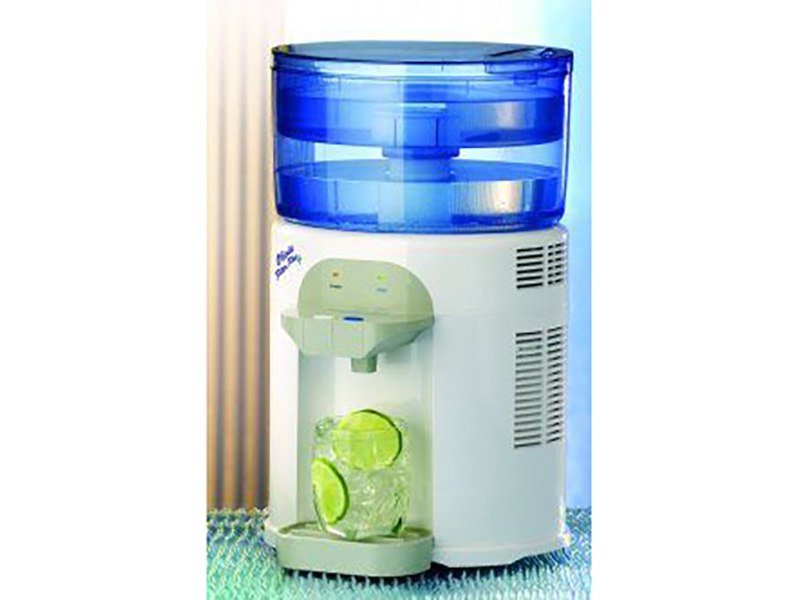
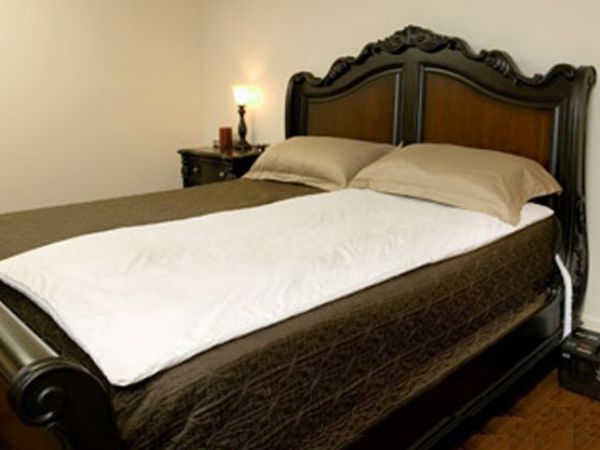
Beijing Huimao Cooling Equipment Co., Ltd. has been working at the forefront of the thermoelectric world market since 1996. We are a worldwide enterprise with many years of experience, specializing in the research, design, and manufacturing of thermoelectric cooling modules and complete systems. Our core technologies span across bottled water coolers, thermoelectric cooling modules, mini coolers, heat/cool car seat cushions, warm/cool sleep pads, and thermoelectric therapy pads.
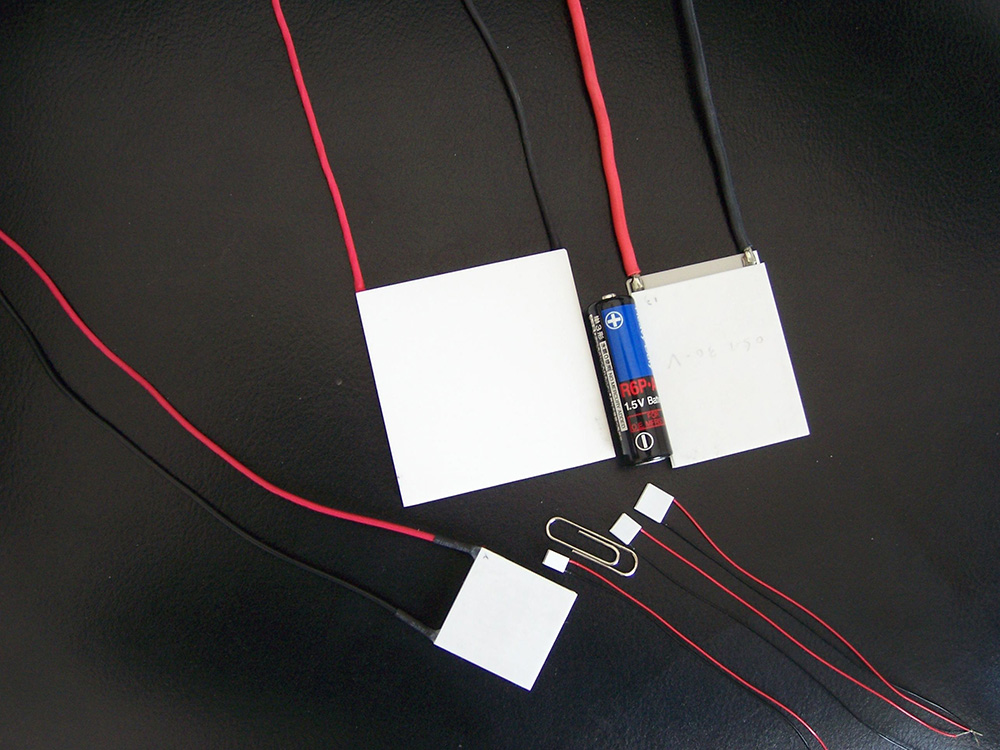
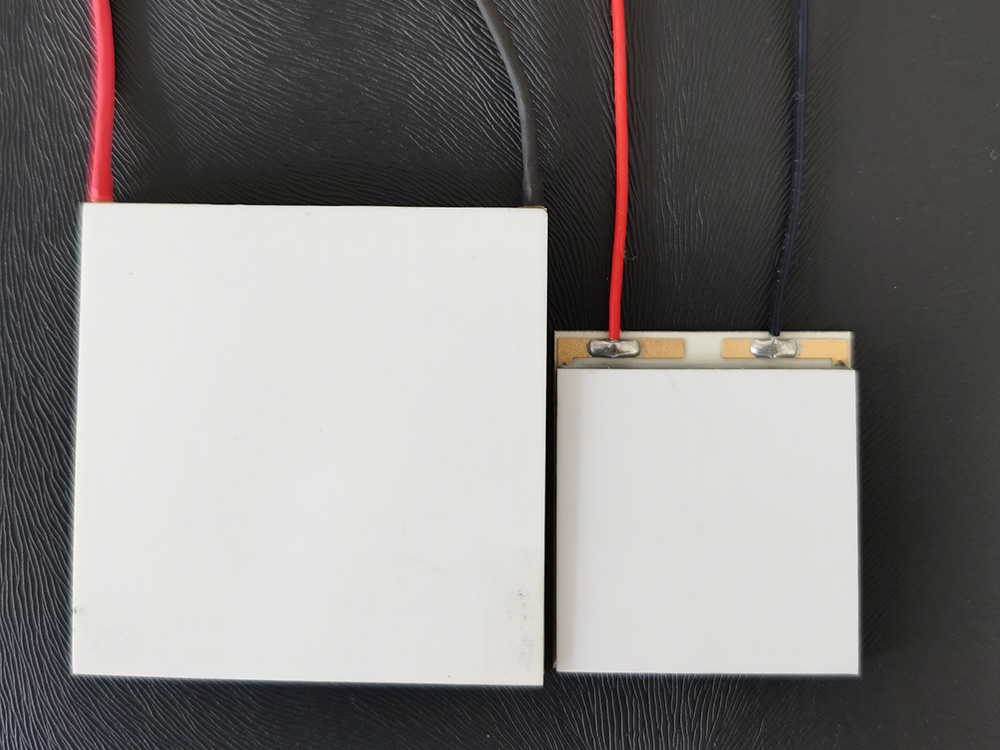
Our product line includes a comprehensive range of standard, single-stage thermoelectric cooling modules, Peltier coolers, TEC modules, and custom multi-stage configurations designed to meet the exact requirements of specific industrial applications. We currently introduce over 400 types of regular thermoelectric cooling modules serving a wide variety of product applications. The physical dimensions of our TEC modules vary from 4.2 x 4.2 mm to 62 x 62 mm, with cooling capacities ranging from 0.1 Watts to 400 Watts.
Huimao provides fully configured, custom-designed assemblies incorporating thermoelectric cooling modules with heatsinks, heat pipes, and customer-supplied components. We support all of our products with extensive technical and design assistance. All components are 100% tested prior to shipment, ensuring that we offer our global customers high-quality solutions at competitive prices for both OEM and end-user markets. Our products are exported to North America, South America, the EU, Western Asia, Japan, India, and Australia.
Our secondary facility, Beijing Huayu-Landian Refrigeration Technology Co., Ltd., established in 2000, manufactures complete thermoelectric cooling consumer products, including thermoelectric water coolers, warm/cold sleep pads, heat/cool car seat cushions, and personal mini coolers. Together, our factories possess a combined manufacturing capacity exceeding 200,000 units per annum.


Quality Guarantee & Testing Standards
Ensuring unparalleled reliability and performance under extreme thermal stress conditions.
Huimao Quality Commitment
Ensuring quality and maintaining high levels of reliability are the primary strategic goals for Huimao’s top engineers during the product design and manufacturing phases. All Huimao products undergo strict evaluation and testing processes prior to shipment. Every module must pass two separate anti-moisture testing cycles to verify that protection mechanisms are fully functional and to prevent future failures caused by moisture ingress. Additionally, more than ten quality control points are implemented to supervise the production process.
Severe Thermal Cycling Test
Huimao’s thermoelectric cooling modules (TEC modules) feature an expected useful life of 300,000 hours. Our products pass rigorous alternating hot and cold testing cycles. This test is conducted by repeatedly cycling electrical current through the modules: 6 seconds of forward current, an 18-second pause, and then 6 seconds of reverse current. This process forces the hot side of the module to heat up to 125°C within 6 seconds before rapidly cooling it down. The cycle repeats 900 times over a total testing period of 12 hours.
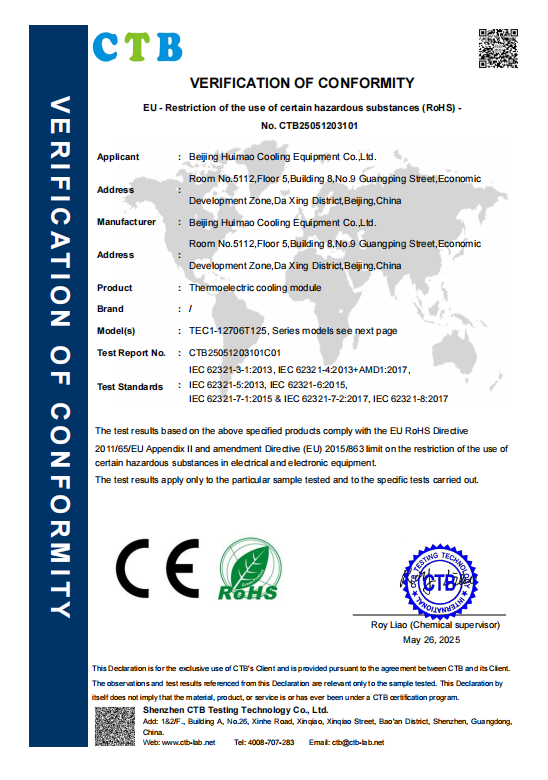
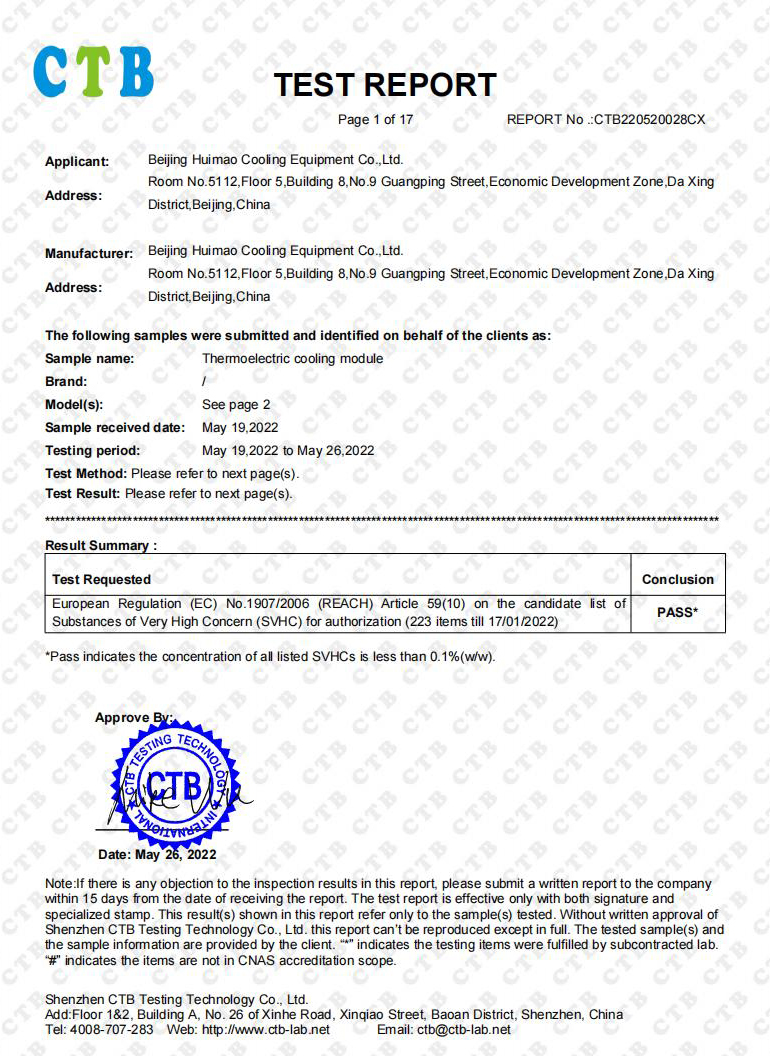
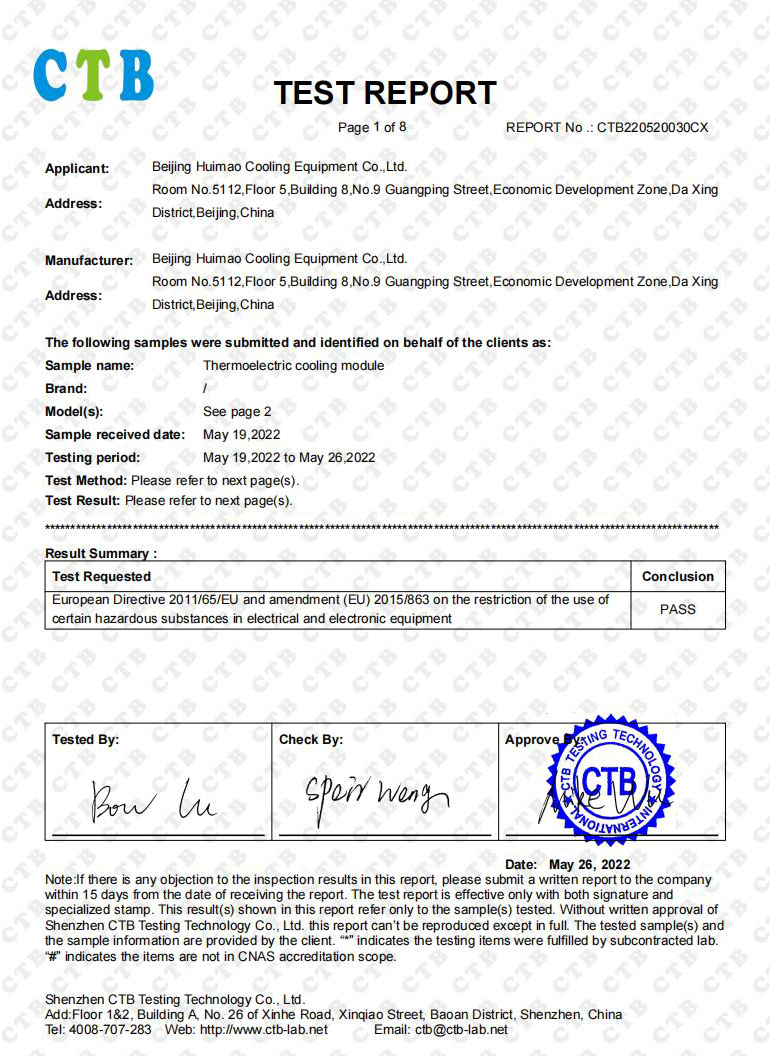
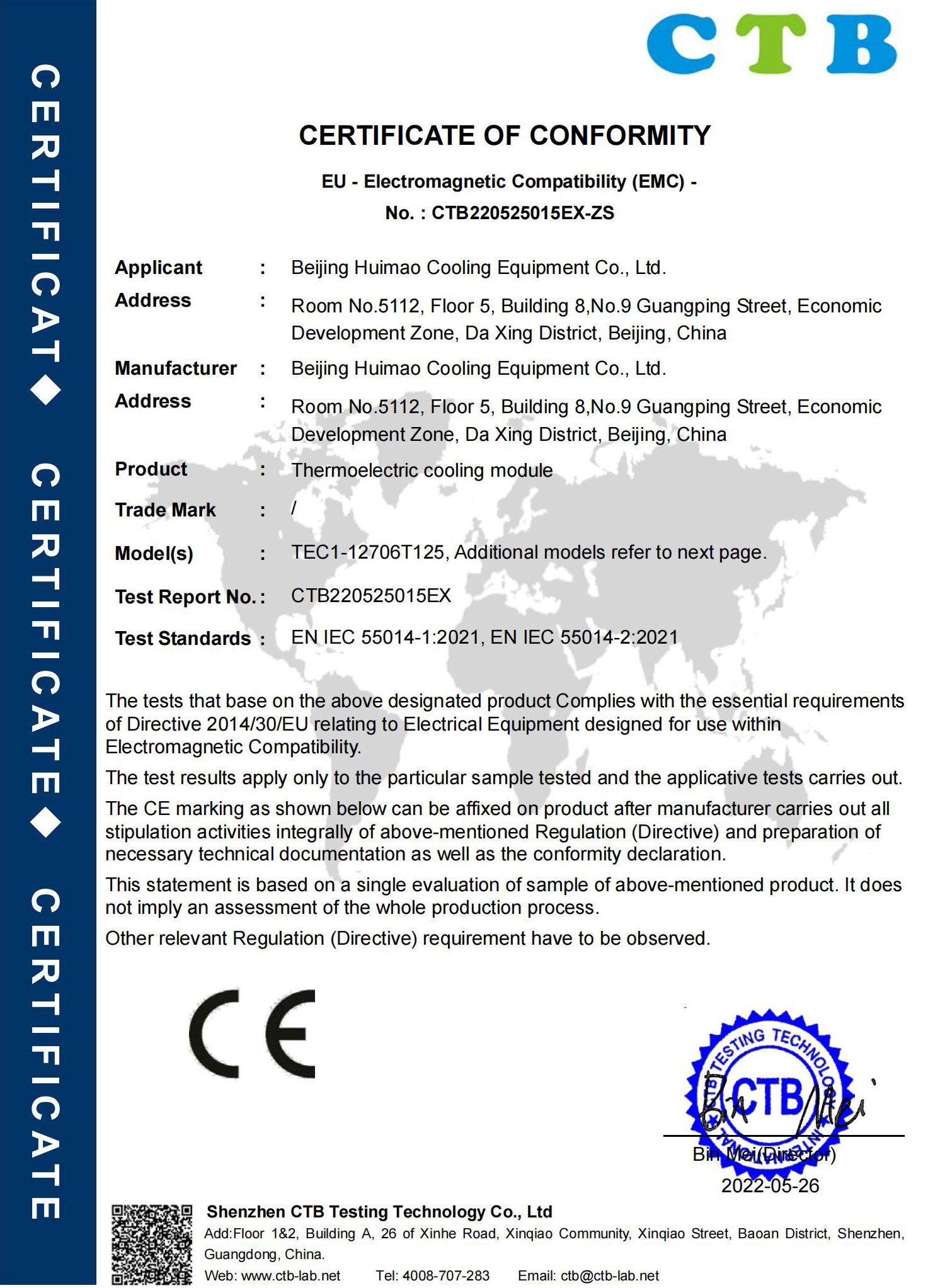
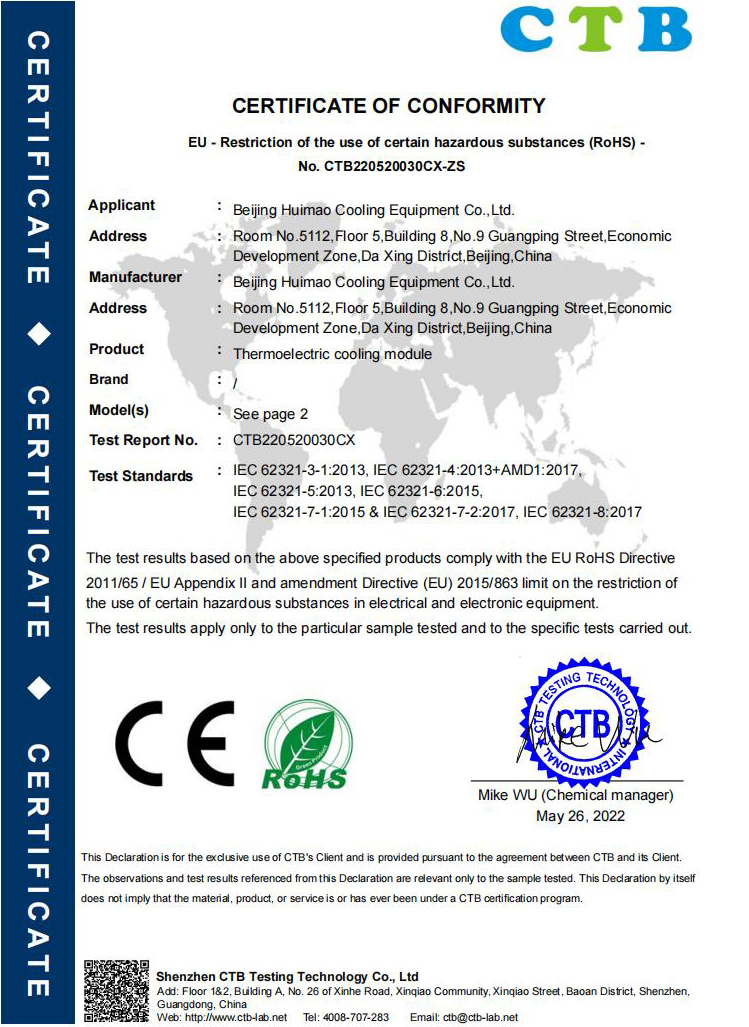
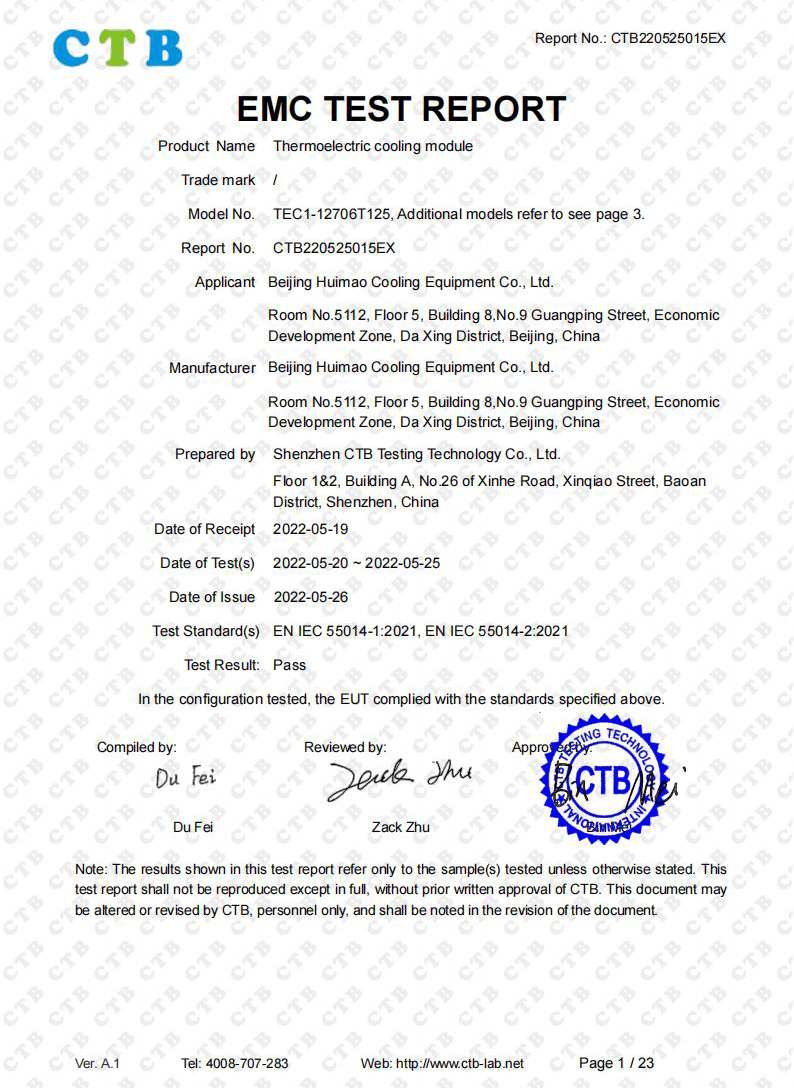
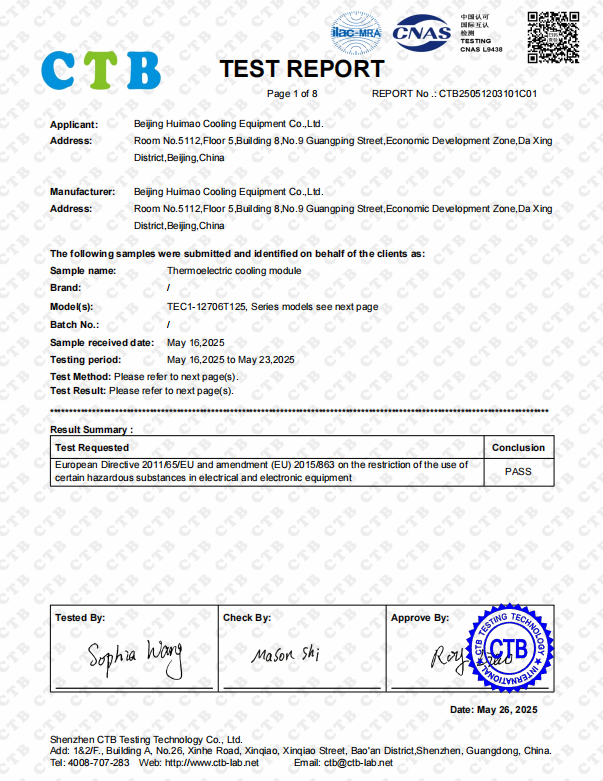
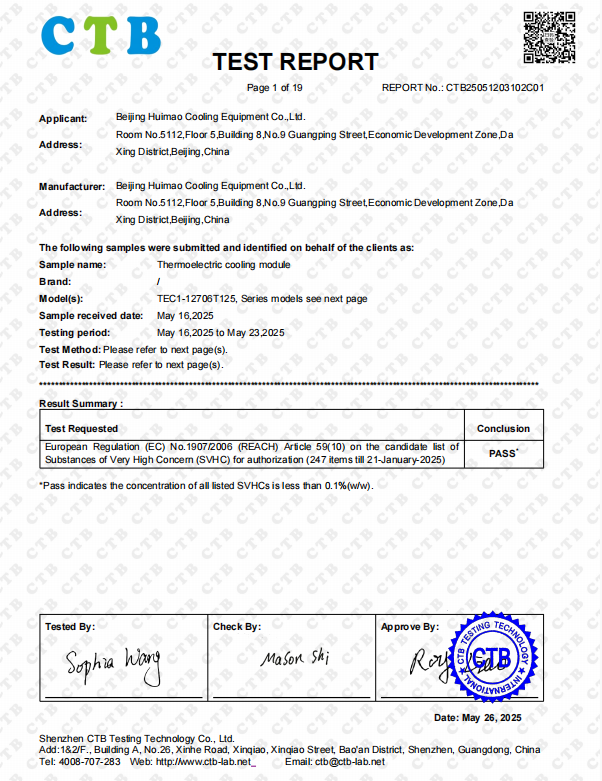
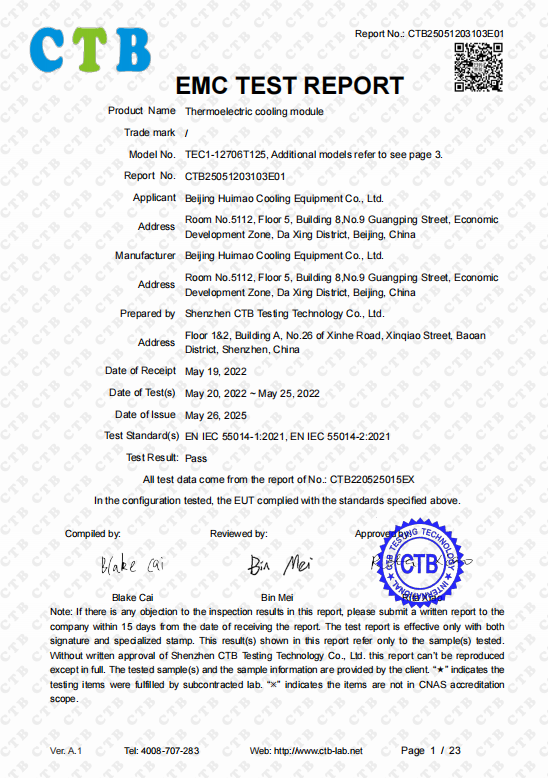
Certificates & Compliance Reports
Our manufacturing processes and products comply with global safety and environmental standards.
Complete Thermoelectric Product Catalog
Browse our full range of solutions optimized for CPU coolers, waste heat generation, and premium thermal management applications.

-

E-mail
-

Phone
-

Top


