The Commercial & Industrial Landscape of Thermoelectric Cooling in the United States
The market for thermoelectric cooling (TEC) devices in the United States is undergoing a phase of unprecedented growth and transformation. Driven by the demands of high-tech industries, aerospace engineering, advanced telecommunications, and clinical medical equipment, solid-state cooling technology has transitioned from a niche hardware component to an essential infrastructure requirement. In the US, major manufacturing hubs and technology corridors, such as Silicon Valley in California, the Route 128 corridor in Massachusetts, and the research triangles in Texas and North Carolina, rely heavily on precise thermal management systems. Unlike traditional vapor-compression cooling, thermoelectric modules utilize the Peltier effect to deliver localized, vibration-free, and highly controllable cooling, making them irreplaceable in modern scientific and industrial applications.
Key Insight: The United States represents one of the largest consumer markets and design environments for thermoelectric devices globally. The integration of TEC modules in autonomous vehicles, defense systems, and high-speed data transmission networks is driving local manufacturers and international exporters to establish robust, high-compliance supply chains.
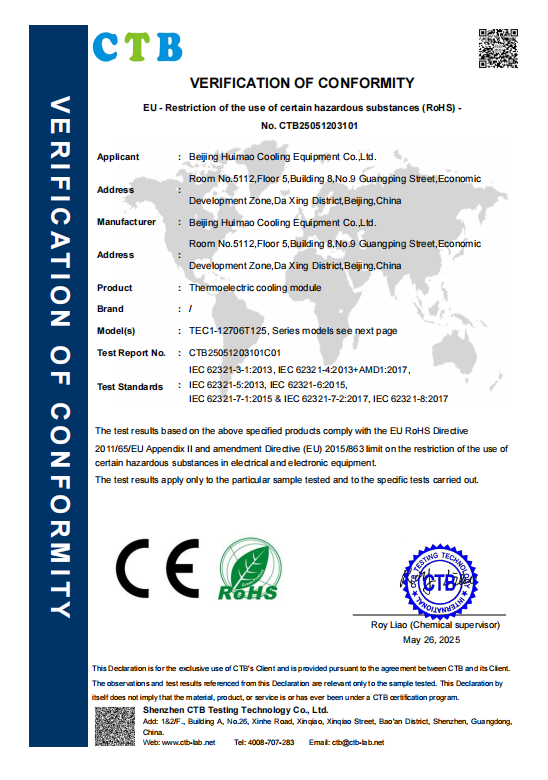
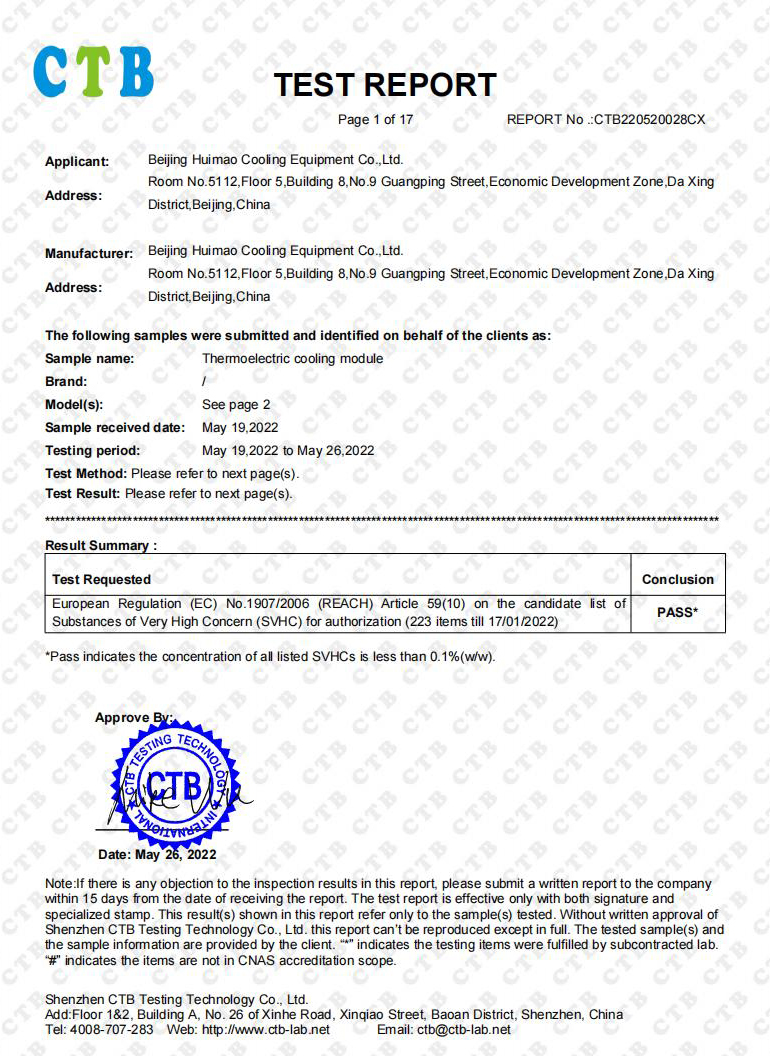
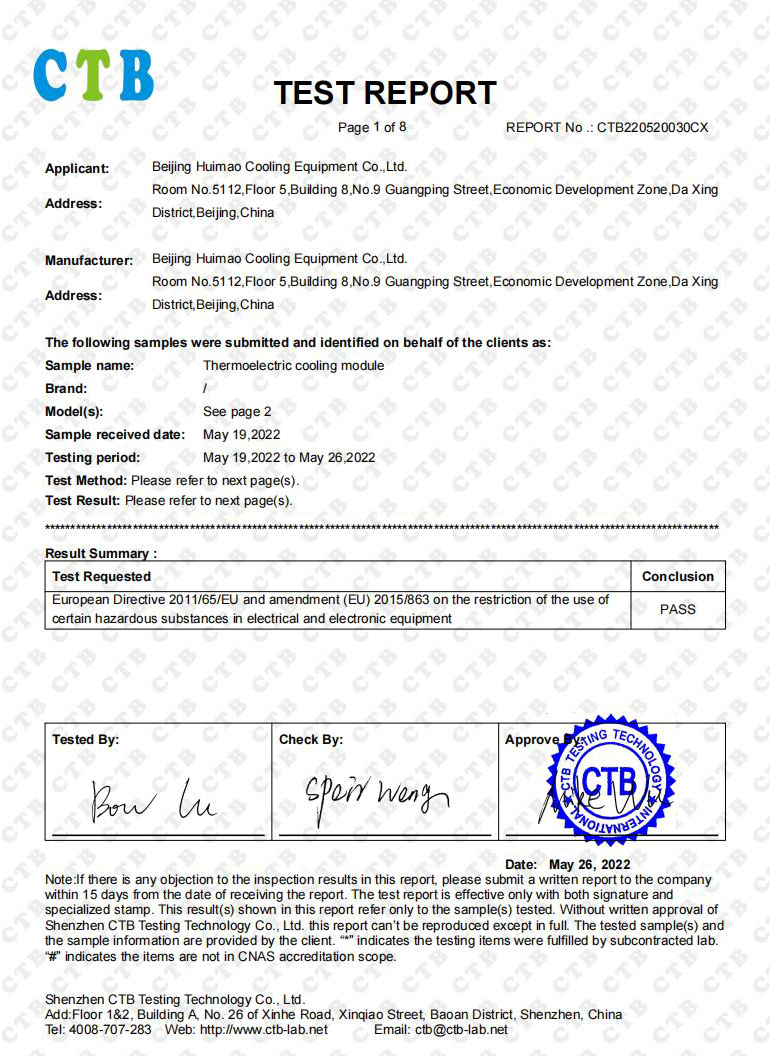
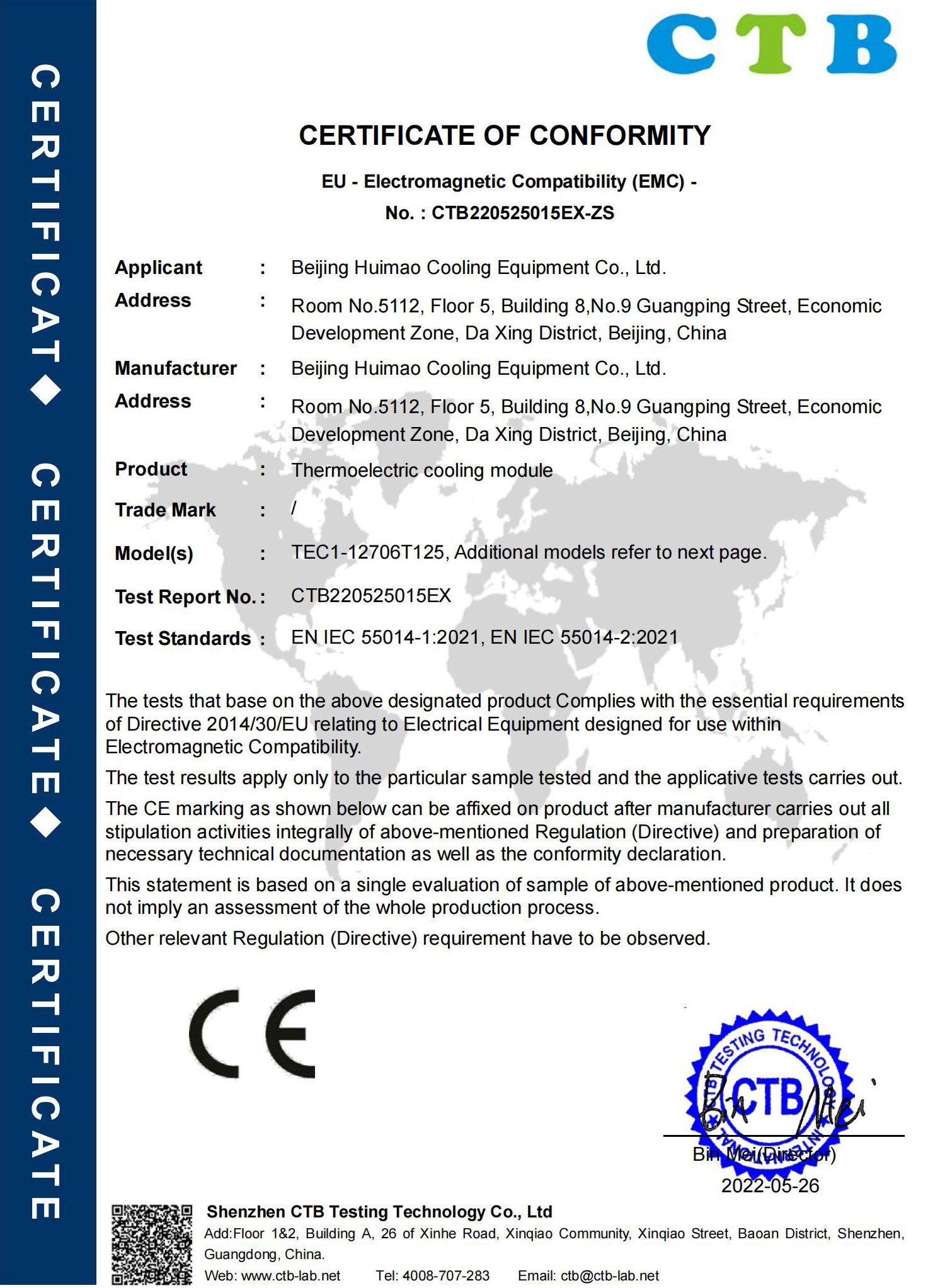
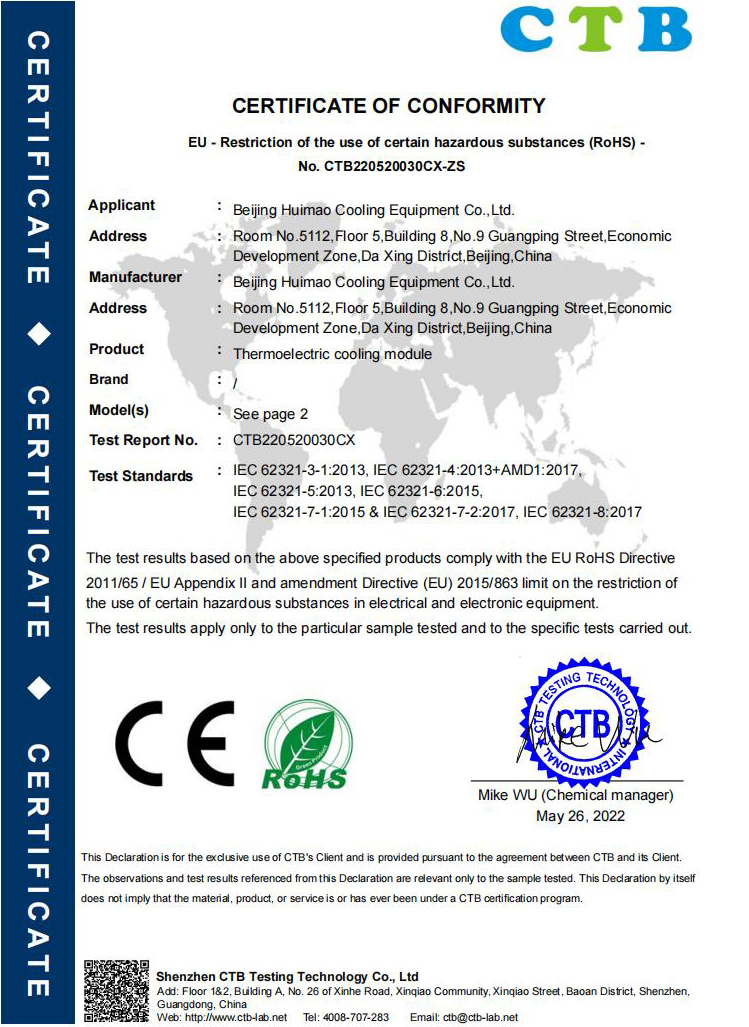
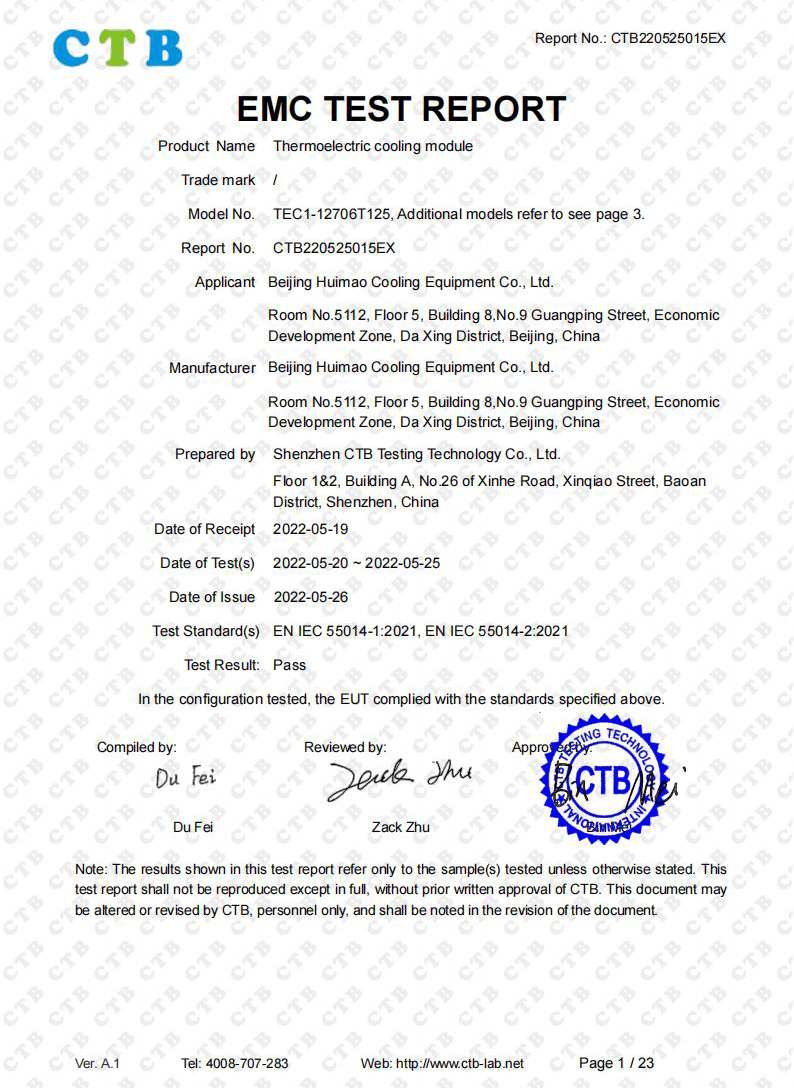
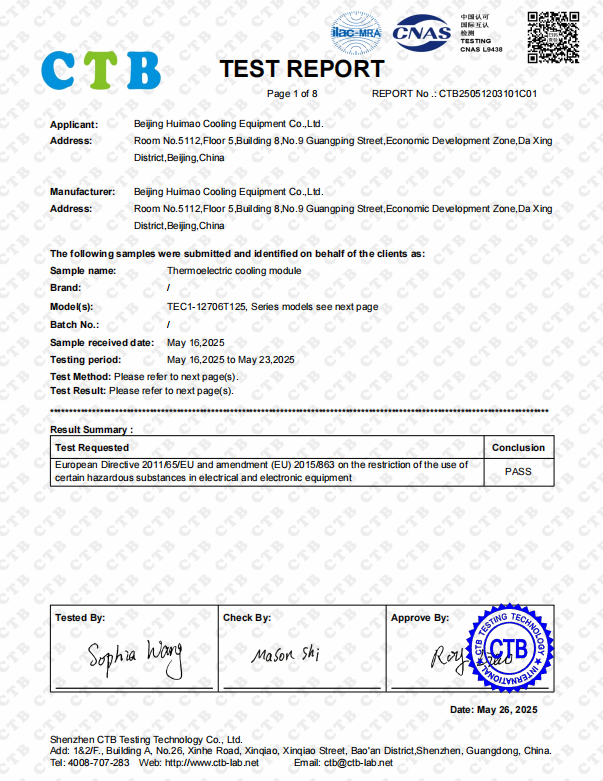
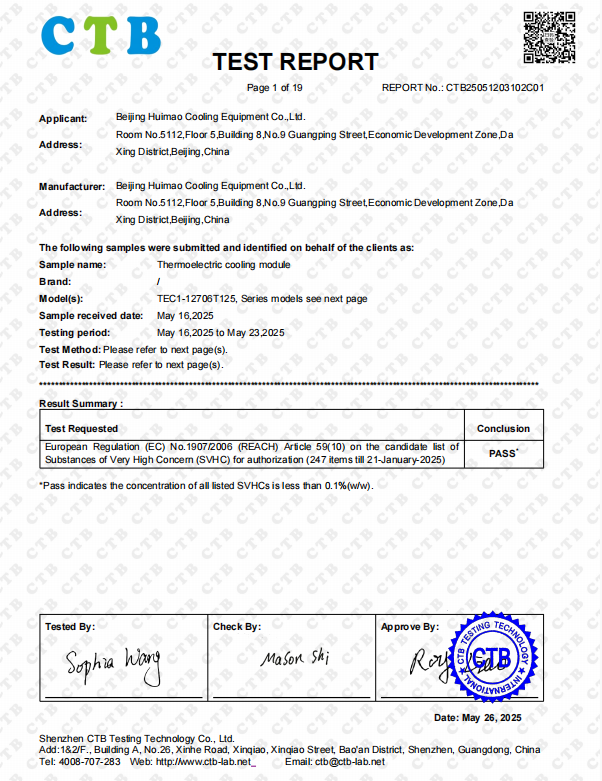
For US-based factories and systems integrators, sourcing high-reliability TEC modules is a strategic priority. The domestic market demands strict compliance with international manufacturing benchmarks such as REACH, RoHS, and CE standards, alongside high customization capabilities. From micro-scale systems designed to cool laser diodes in fiber-optic communications to high-power assemblies managing thermal loads in military hardware, the collaboration between global exporters and American industrial companies has become a cornerstone of technological progress. This synergy ensures that US industries receive cost-effective, high-performance solid-state cooling components backed by rigorous quality assurance and testing protocols.
About Beijing Huimao Cooling Equipment Co., Ltd.
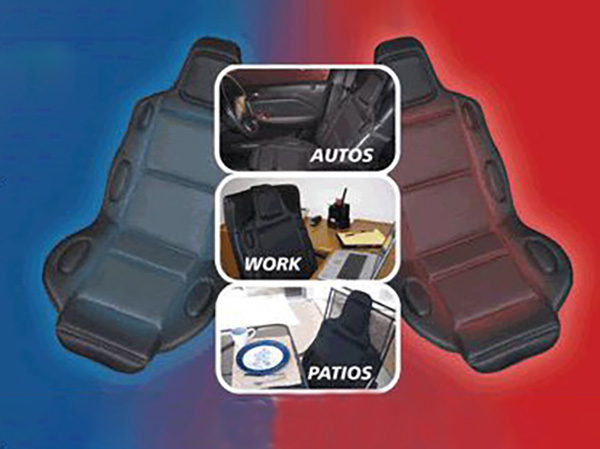
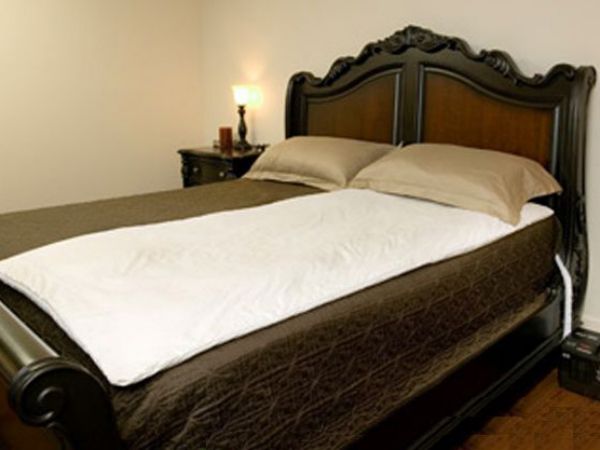
Beijing Huimao Cooling Equipment Co., Ltd. has been working actively in the thermoelectric world market since 1996. As a worldwide company with many years of experience, we specialize in the research, design, and manufacturing of thermoelectric cooling modules and complete systems. Our diverse technology portfolio includes bottled water coolers, thermoelectric cooling modules, mini coolers, heat/cool car seat cushions, warm/cool sleep pads, and thermoelectric therapy pads.
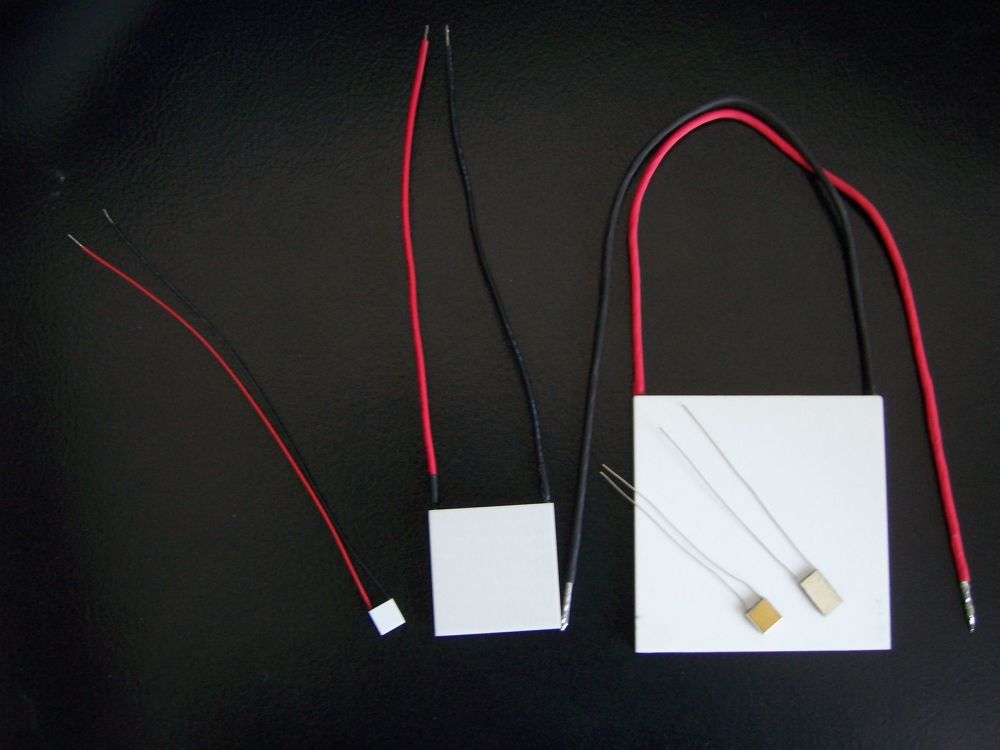
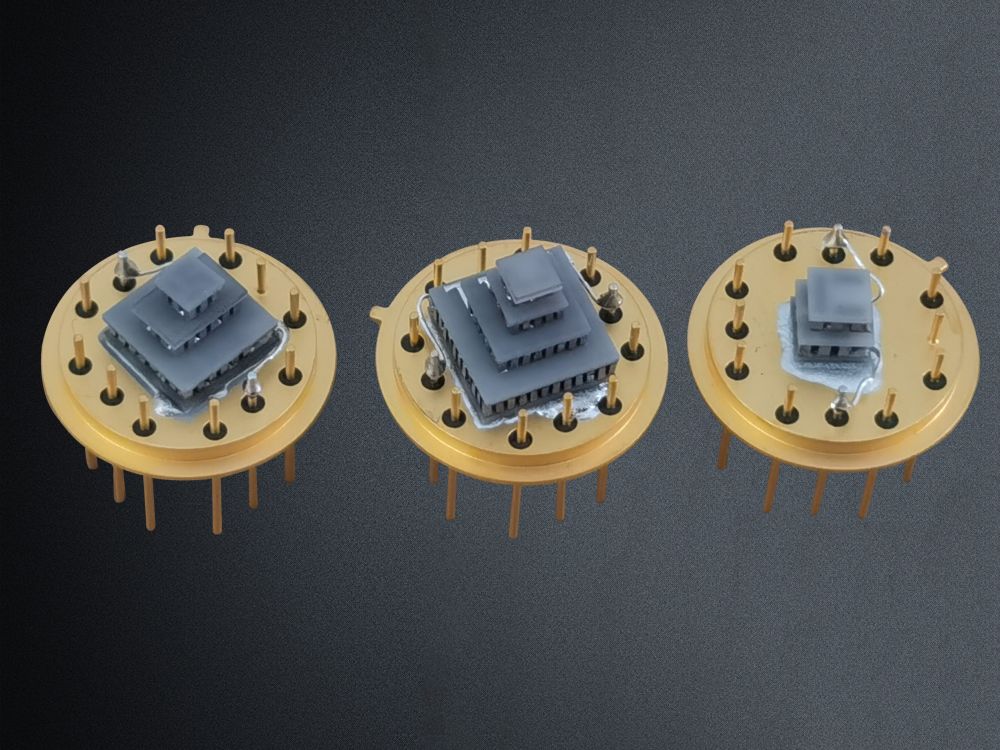
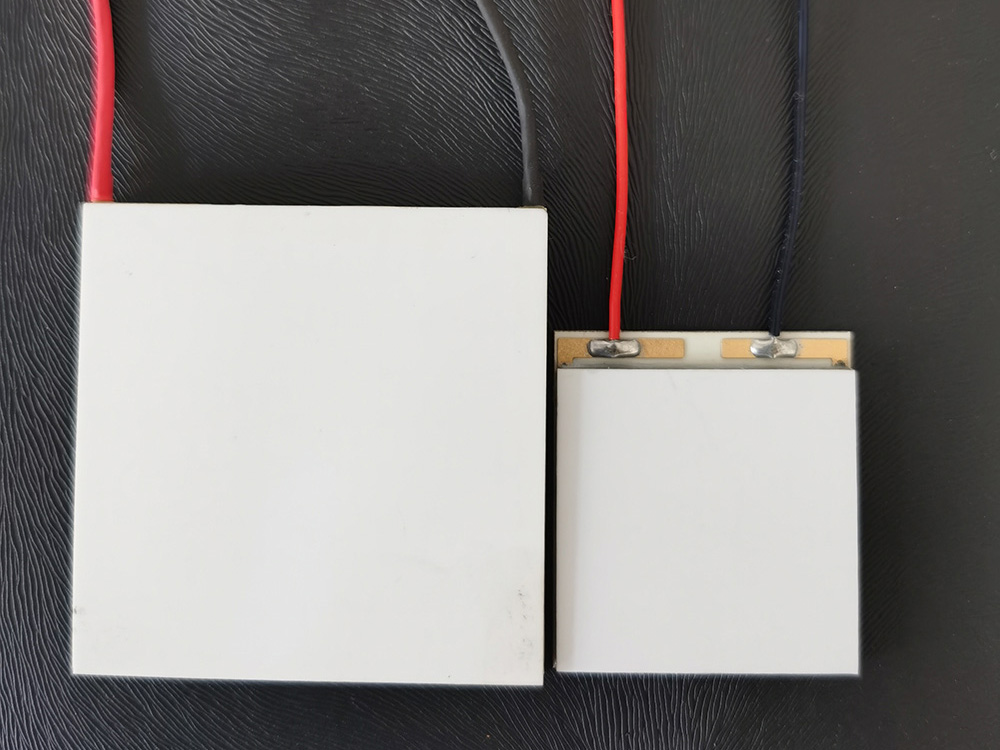
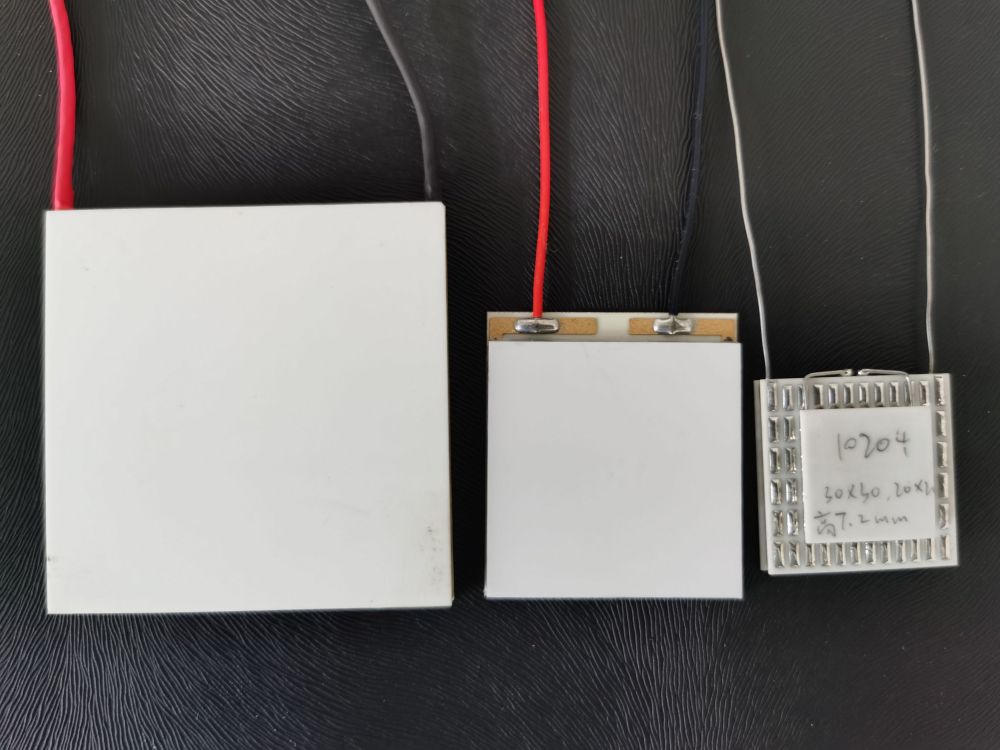
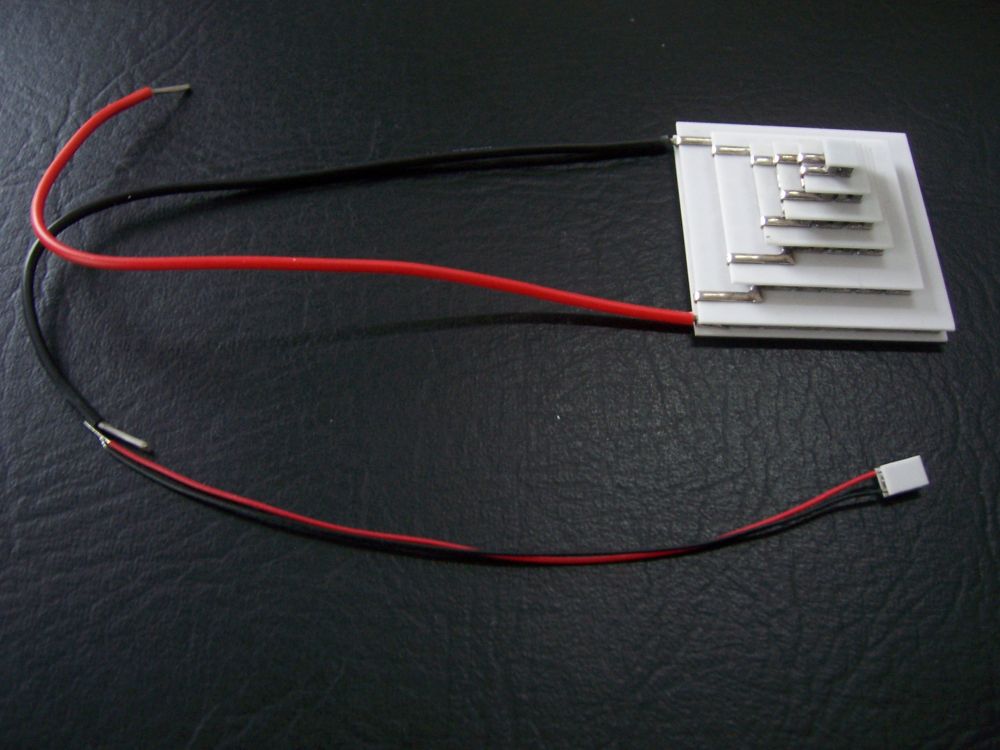
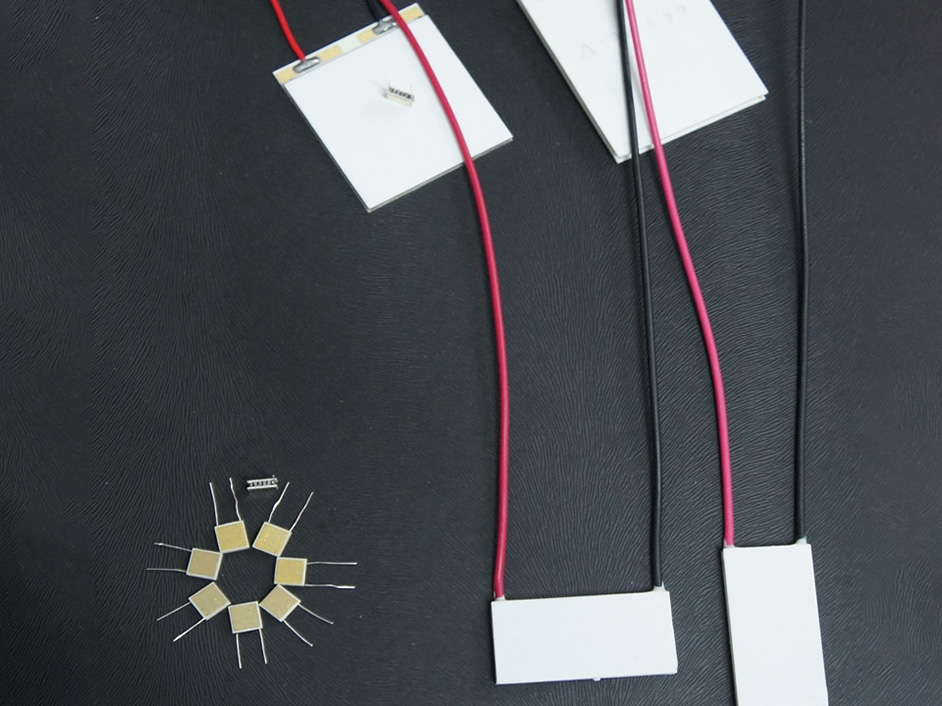
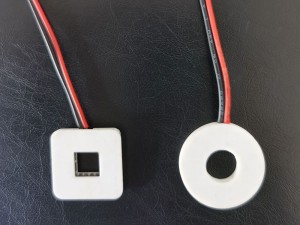
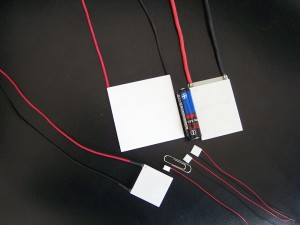
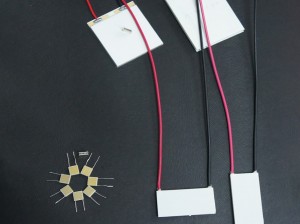
Huimao's product line includes a full range of standard, single-stage thermoelectric cooling modules, Peltier coolers, TEC modules, and custom multi-stage TEC modules configured to meet the specific requirements of complex applications. We currently introduce over 400 types of regular thermoelectric cooling modules that serve a wide variety of thermoelectric applications. The physical dimensions of our TEC modules vary from 4.2 x 4.2 mm to 62 mm x 62 mm, with cooling capacity values ranging from 0.1 Watts to 400 Watts respectively.
In addition to standard modules, Huimao provides fully configured, custom-designed assemblies incorporating thermoelectric cooling modules with heat sinks, heat pipes, and customer-supplied components. We support all of our products with extensive technical and design assistance. All components are 100% tested prior to shipment, allowing us to offer global customers high-quality solutions and competitive pricing for both OEM partners and end users. Our products are exported extensively to North America, South America, the European Union, Western Asia, Japan, India, and Australia.
Our sister facility, Beijing Huayu-Landian Refrigeration Technology Co., Ltd., established in 2000, manufactures complete thermoelectric cooling products, including thermoelectric cooling water coolers, warm/cold sleep pads, heat/cool car seat cushions, and personal mini coolers. Together, our facilities maintain a combined capacity to produce over 200,000 completed units per annum, securing our position as a leading exporter to the United States and global markets.


Industry Trends Driving the Future of Thermoelectric Cooling
The global thermoelectric cooling sector is experiencing several key shifts that are reshaping how thermal management is approached in the United States. Firstly, the global transition away from hydrofluorocarbons (HFCs) and other chemical refrigerants has accelerated the adoption of solid-state cooling. Since thermoelectric modules do not utilize greenhouse gases or moving parts, they represent a highly sustainable, eco-friendly alternative for precision cooling. This aligns perfectly with the environmental policies and sustainability goals of many US corporations.
Miniaturization & High Density
Modern optoelectronics and telecom modules require micro-TECs that can manage high heat fluxes in spaces smaller than a fingernail.
Eco-Friendly Solid-State Design
Zero chemical refrigerants, zero ozone depletion potential, and silent operation support green initiatives across US laboratories and cities.
Automotive Integration
The rapid rise of Electric Vehicles (EVs) and Advanced Driver Assistance Systems (ADAS) demands solid-state cooling for LiDAR sensors and battery packs.
Precision Bio-Thermal Control
Fast-cycling thermocyclers (PCR) and medical lasers require rapid, exact temperature shifts, ideal for multi-stage TEC modules.
Secondly, the rise of 5G telecommunication networks and high-density data centers across North America has heightened the demand for localized micro-cooling. Optoelectronic devices, such as transceivers, laser diodes, and photo-detectors, are highly sensitive to temperature fluctuations. A rise in temperature can lead to signal degradation and component failure. By integrating micro-thermoelectric cooling modules directly into the component packaging, engineers can maintain stable operating temperatures, ensuring high-speed data transmission rates and long-term network reliability.
Quality Guarantee of Huimao Thermoelectric Cooling Modules
Ensuring quality and maintaining high levels of reliability are the two primary strategic goals for Huimao’s top engineers during the product design and manufacturing processes. All Huimao products undergo a strict evaluation and examination process prior to shipment. Every module must pass two anti-moisture testing processes to ensure the protection mechanisms are fully functional and to prevent future failures caused by moisture ingress. In addition, more than ten quality control points are implemented to supervise the entire production line.
Huimao’s thermoelectric cooling modules (TEC modules) feature an average expected useful life of 300,000 hours. Furthermore, our products are built to withstand the severe stress of alternating cooling and heating processes within very short timeframes. This reliability is validated by a rigorous testing cycle: connecting the thermoelectric cooling module to an electric current for 6 seconds, pausing for 18 seconds, and then applying the opposite current for 6 seconds. During this test, the current forces the hot side of the module to heat up to as high as 125°C within 6 seconds before cooling it down. This cycle is repeated 900 times, totaling 12 hours of continuous thermal shock testing, ensuring our modules meet the demanding durability standards of industrial and military applications in the United States and worldwide.
Localized Application Scenarios in the US Market
Thermoelectric cooling devices are utilized across numerous localized applications in the United States, proving their versatility and high efficiency in demanding environments:
- Aerospace & Defense: In defense manufacturing hubs like Texas and Arizona, customized thermoelectric modules are integrated into infrared sensors, night-vision cameras, and missile guidance systems to maintain stable detector temperatures under extreme environmental conditions.
- Biomedical Diagnostics: In laboratory equipment manufactured in Massachusetts and California, TEC modules provide the rapid thermal cycling required in Polymerase Chain Reaction (PCR) devices, DNA sequencing systems, and medical laser systems where temperature control must be precise to within fractions of a degree.
- Automotive Comfort & Safety: Thermoelectric technology is widely used in automotive climate control, such as cool/heat car seat cushions and personal cabin coolers, as well as cooling thermal sensors and cameras in self-driving vehicles.
- Consumer Wellness & Smart Homes: Thermoelectric cool/heat comfortable cotton sleep pads, personal mini coolers, and silent wine cellars represent the growing trend of integrating solid-state cooling into everyday American consumer goods.
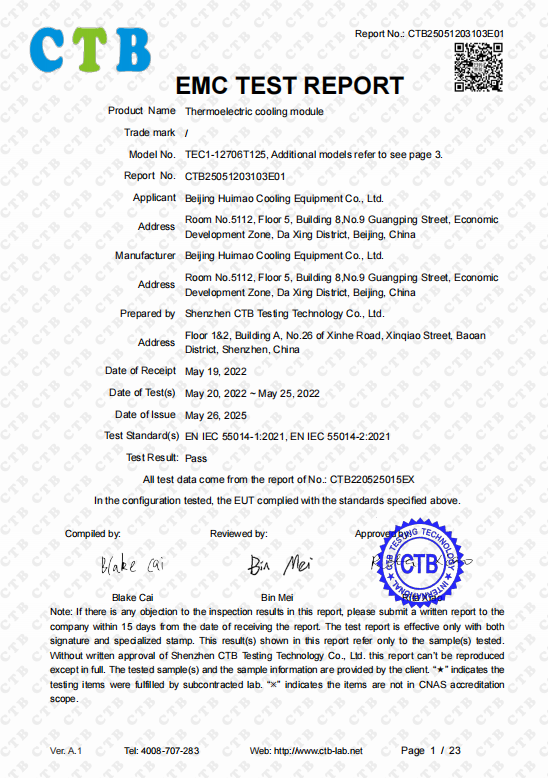
Certifications & Compliance Reports

Complete Range of Thermoelectric Cooling Devices
Huimao.com Product Portfolio


-

E-mail
-

Phone
-

Top


