Featured Thermoelectric Innovation & Systems
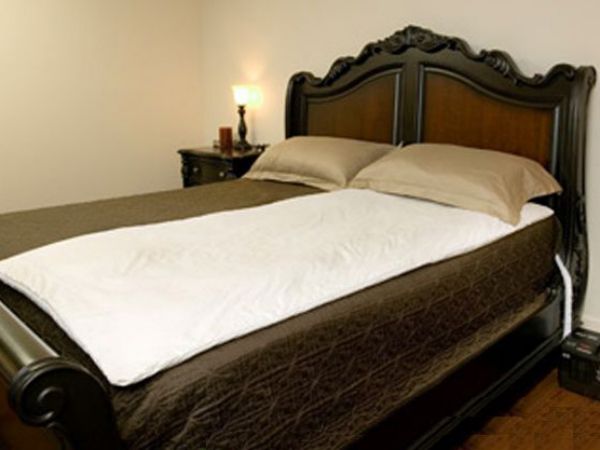
Thermoelectric Cool/Heat Comfortable Cotton Sleep Pad
View Details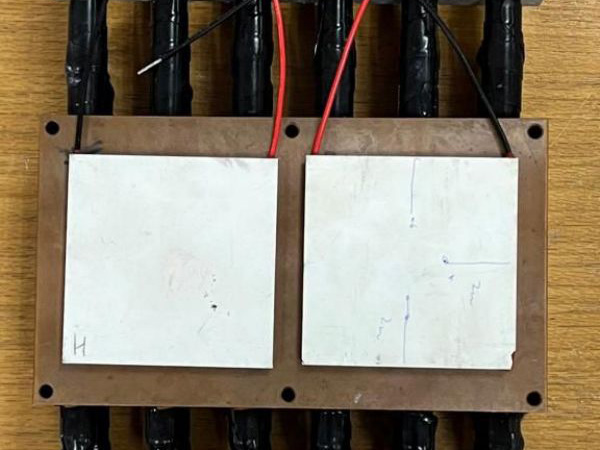
Customized Thermoelectric Cooling Unit
View Details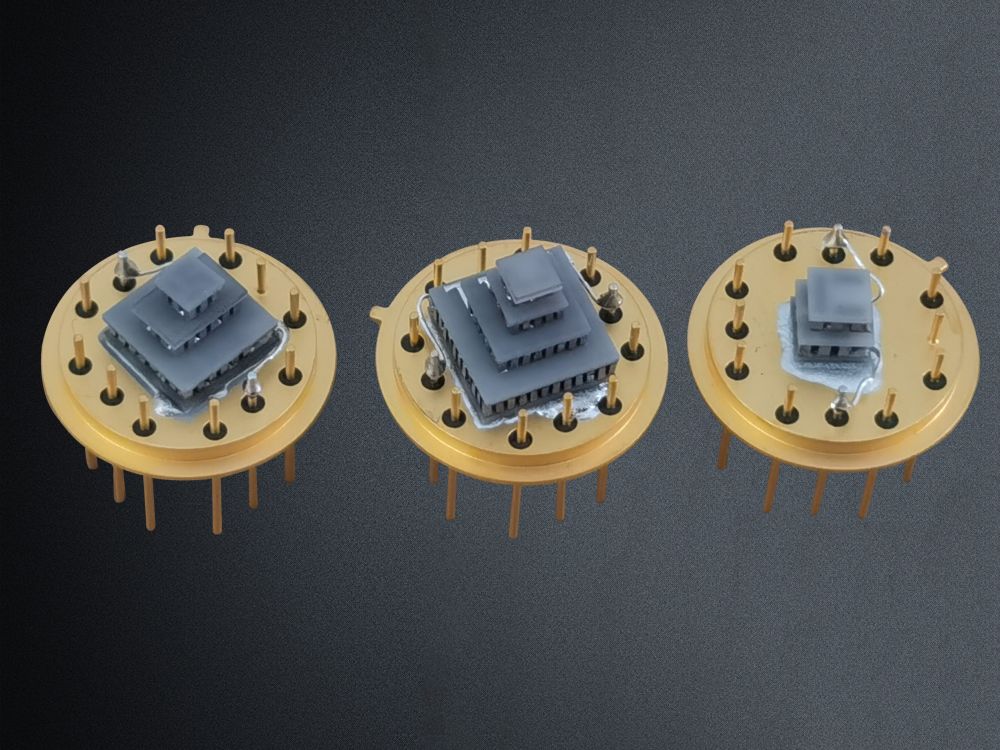
Customized Thermoelectric Cooling Module
View Details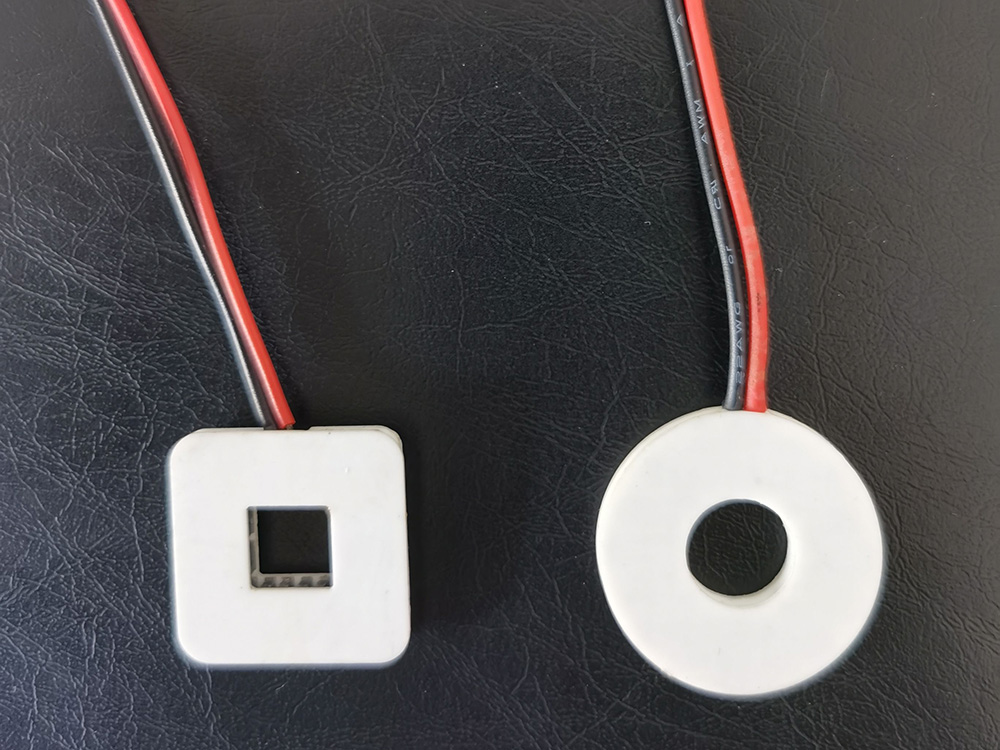
Center Hole & Round Thermoelectric Cooling Module
View DetailsThe Thermoelectric Semiconductor Landscape in the Netherlands
The Netherlands stands as a globally recognized powerhouse for high-tech systems, microelectronics, and precision engineering. Centered around key innovation hubs like the Brainport Eindhoven region, Enschede, and Delft, the Dutch semiconductor sector is characterized by its focus on extreme precision, efficiency, and advanced thermal management. In this demanding ecosystem, thermoelectric semiconductors—commonly known as Peltier elements or thermoelectric coolers (TECs)—have transitioned from niche cooling components to critical enablers of next-generation technology.
Thermoelectric semiconductors operate on the Peltier effect, allowing for precise solid-state temperature control without moving parts, vibration, or greenhouse gases. In the Netherlands, where micro-manufacturing, optical systems, and deep-tech research are highly concentrated, the demand for precise thermal stabilization is paramount. Leading Dutch industries rely on thermoelectric components to maintain temperature stability at the sub-millikelvin level. This is especially crucial for lithography systems, optoelectronic packaging, and quantum computing infrastructure, where even the slightest thermal expansion can disrupt nanometer-scale operations.
As the European Union pushes for semiconductor sovereignty and green manufacturing through the European Chips Act, Dutch manufacturers and research institutions are actively seeking partnerships with global thermoelectric factories. By integrating advanced thermoelectric cooling modules into localized machinery and consumer products, the Netherlands continues to pioneer energy-efficient, solid-state cooling technologies that align with global sustainability targets.
Did you know? The Dutch semiconductor ecosystem is home to some of the world's most advanced photolithography system manufacturers. These machines require extreme thermal stabilization within fractions of a degree, a task uniquely suited for thermoelectric semiconductors.
Industry Trends & Localized Applications in the Netherlands
The global thermoelectric semiconductor market is experiencing rapid evolution, heavily influenced by industrial demands in Western Europe. In the Netherlands, several key trends and localized application scenarios are shaping the future of Peltier cooling and power generation:
Green Transition & Energy Harvesting
With the Netherlands aiming for a circular and carbon-neutral economy by 2050, thermoelectric generators (TEGs) are gaining traction. By converting waste heat from industrial processes, greenhouse heating systems, and maritime engines directly into electricity, TEGs offer a reliable source of clean power, reducing overall carbon footprints.
Precision Agriculture & Smart Greenhouses
As a global leader in agricultural exports, the Netherlands utilizes smart greenhouses and vertical farming technologies. Thermoelectric modules provide localized, highly controllable cooling and heating for sensitive hydroponic root zones, plant tissues, and specialized LED lighting setups, optimizing crop yields without bulky mechanical systems.
High-Tech Lithography & Lasers
Dutch lithography systems require extreme thermal management for laser diodes, lenses, and wafer stages. Micro thermoelectric cooling modules are integrated into these high-precision systems to prevent thermal drift, ensuring the flawless printing of microchips at node sizes below 3nm.
Additionally, the rise of Electric Vehicles (EVs) in the Netherlands has created new demands for battery pack thermal management and localized cabin cooling. Thermoelectric car seat cushions and climate control systems are increasingly sought after by automotive OEMs to improve passenger comfort and battery efficiency. In the medical field, Dutch biotech labs utilize thermoelectric therapy pads and fast-cycling PCR machines that rely on the durability and speed of premium TEC modules to perform DNA amplification and sample preservation.
About Beijing Huimao Cooling Equipment Co., Ltd.
Beijing Huimao Cooling Equipment Co., Ltd. has been a prominent player in the global thermoelectric market since 1996. As a worldwide company with decades of dedicated experience, we specialize in the research, design, and manufacturing of high-performance thermoelectric cooling modules and complete cooling solutions. Our expansive technology catalog includes bottled water coolers, thermoelectric cooling modules, mini coolers, heat/cool car seat cushions, warm/cool sleep pads, and thermoelectric therapy pads.
Our product line includes a comprehensive range of standard, single-stage thermoelectric cooling modules, Peltier coolers, TEC modules, and custom multi-stage TEC modules designed to meet the exact requirements of specific applications. Currently, we offer over 400 types of regular thermoelectric cooling modules that serve a wide variety of commercial and industrial applications. The physical dimensions of our TEC modules vary from 4.2 x 4.2 mm to 62 mm x 62 mm, with cooling capacity values ranging from 0.1 Watts to 400 Watts, respectively.
Huimao provides fully configured, custom-designed assemblies incorporating thermoelectric cooling modules with heat sinks, heat pipes, and customer-supplied components. We support all of our products with extensive technical and design assistance. Every component is 100% tested prior to shipment. We strive to offer our global customers high-quality solutions and competitive pricing for both OEM partners and end-users. Our products are exported to North America, South America, the European Union (including the Netherlands), Western Asia, Japan, India, and Australia.
Our secondary factory, Beijing Huayu-Landian Refrigeration Technology Co., Ltd., established in 2000, manufactures complete thermoelectric consumer products, including water coolers, warm/cold sleep pads, heat/cool car seat cushions, and personal mini coolers. Together, our facilities possess a combined capacity to produce over 200,000 units per annum.


Quality Guarantee of Huimao Thermoelectric Modules
Ensuring top-tier quality and maintaining high levels of reliability are the primary strategic goals for Huimao’s engineers during the product design and manufacturing processes. All Huimao products undergo strict evaluation and examination before shipment. Every module must pass two anti-moisture testing processes to ensure the protection mechanisms are fully functional, preventing future failures caused by moisture ingress. In addition, more than ten quality control points supervise the production process.
Huimao’s thermoelectric cooling modules (TEC modules) feature an average expected useful life of 300,000 hours. Furthermore, our products have successfully passed severe alternating cooling and heating cycle tests. This test is conducted by repeatedly cycling the electric current: 6 seconds of forward current, an 18-second pause, and then 6 seconds of reverse current. During this test, the current forces the hot side of the module to heat up to as high as 125°C within 6 seconds before cooling down. This cycle repeats 900 times over a total testing period of 12 hours, demonstrating the thermal fatigue resistance of our modules.
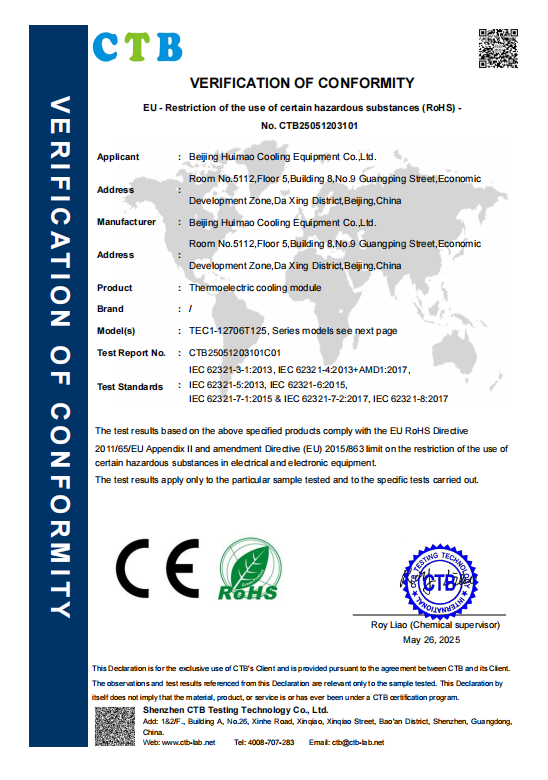
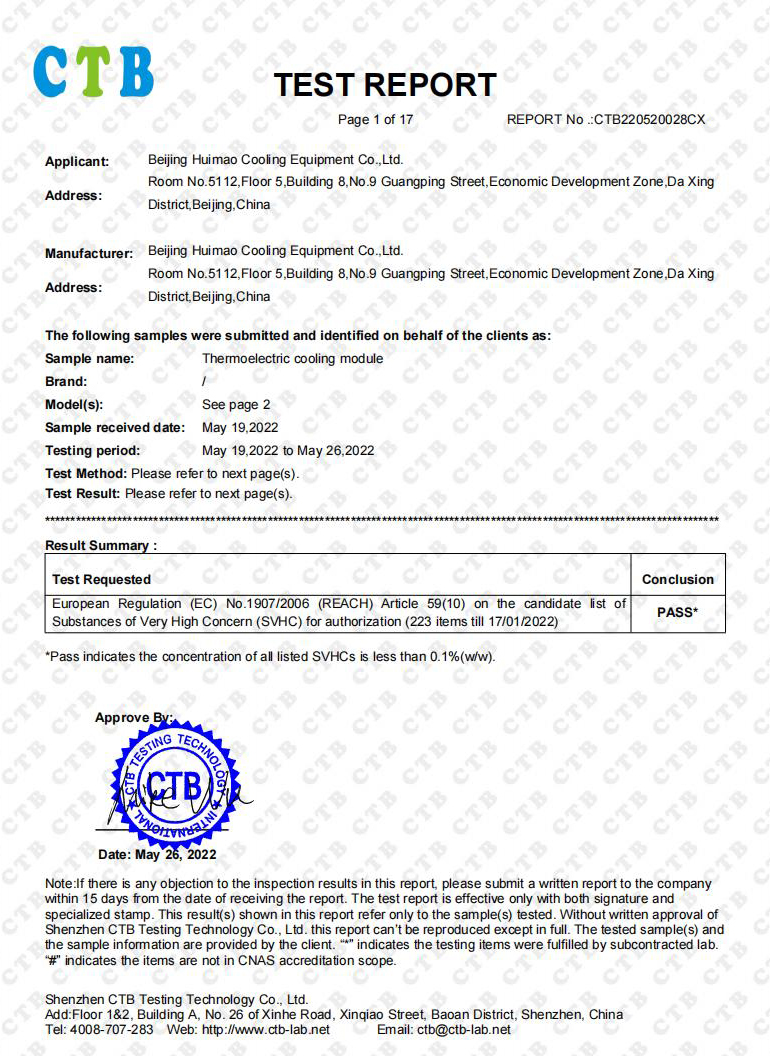
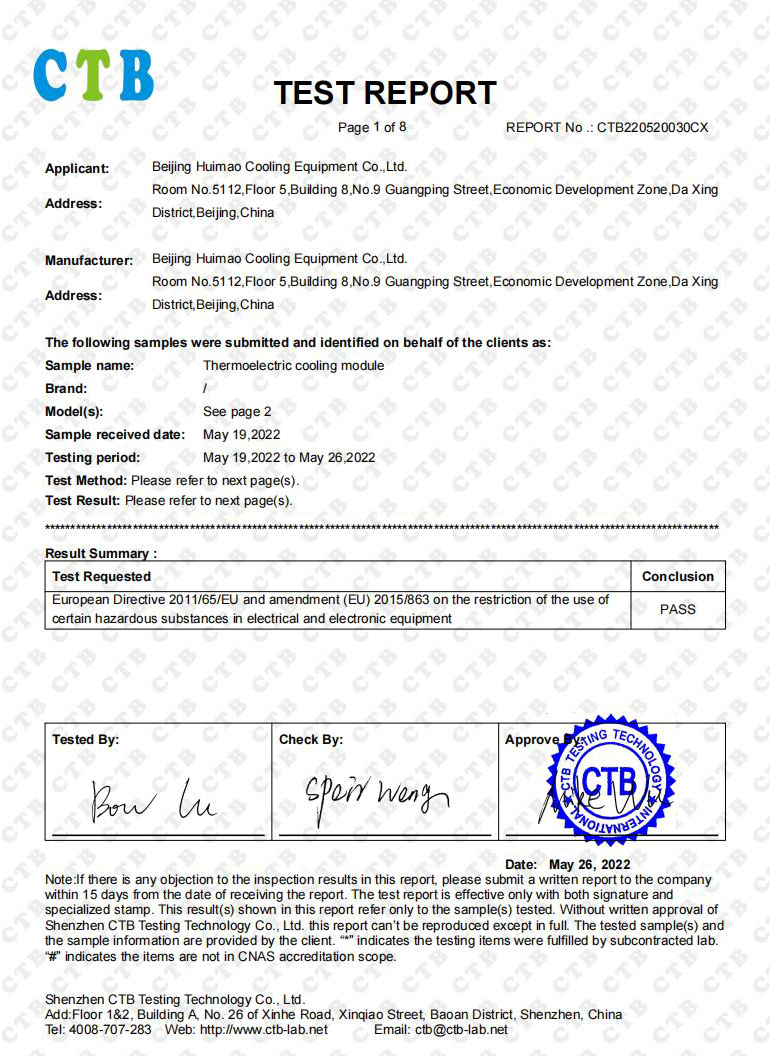
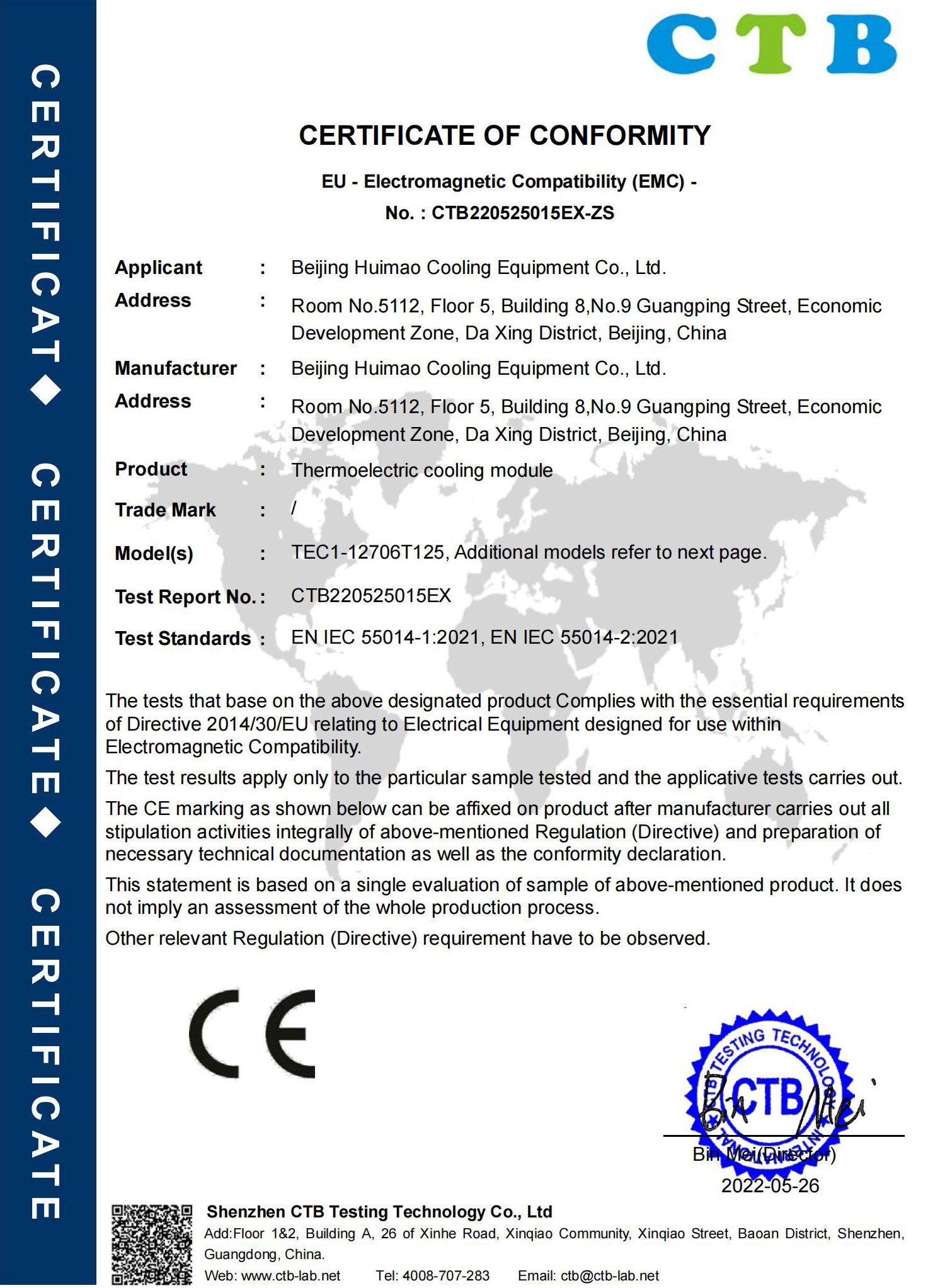
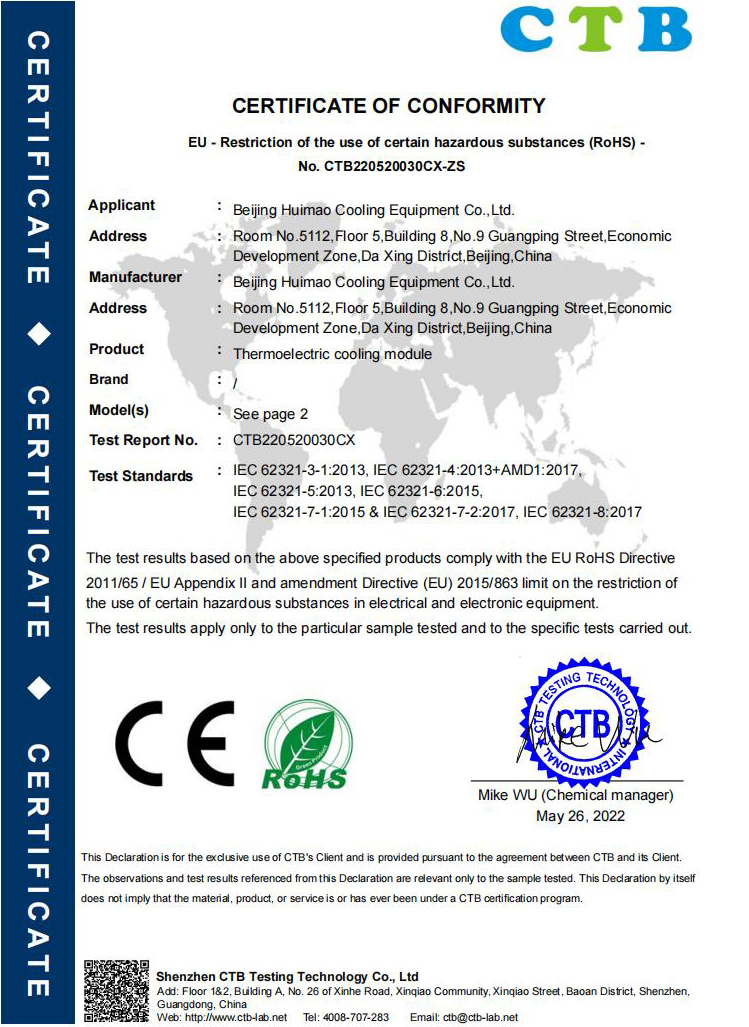
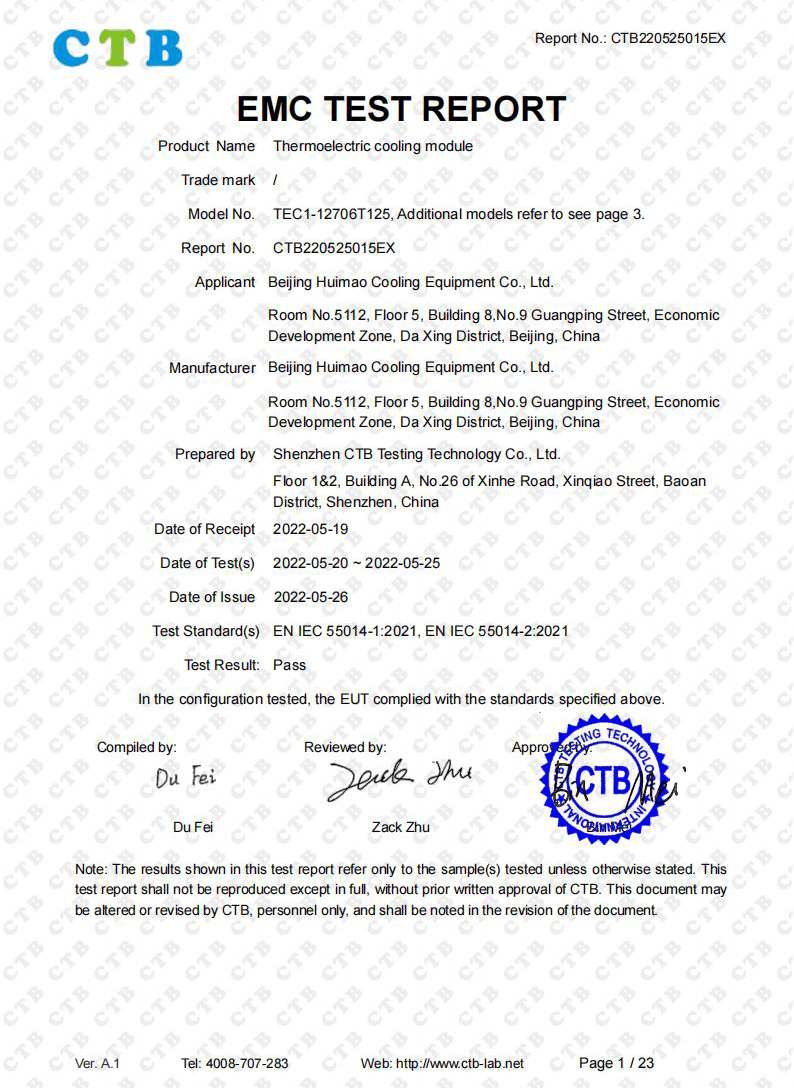
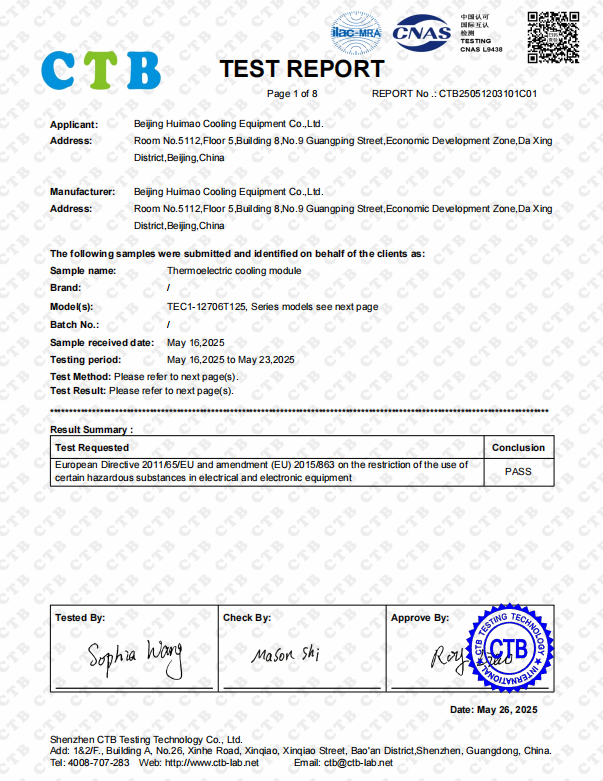
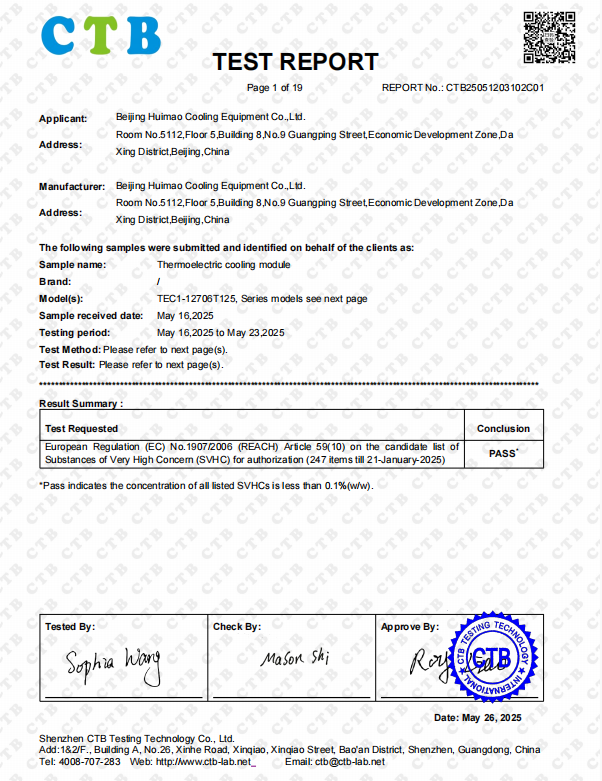
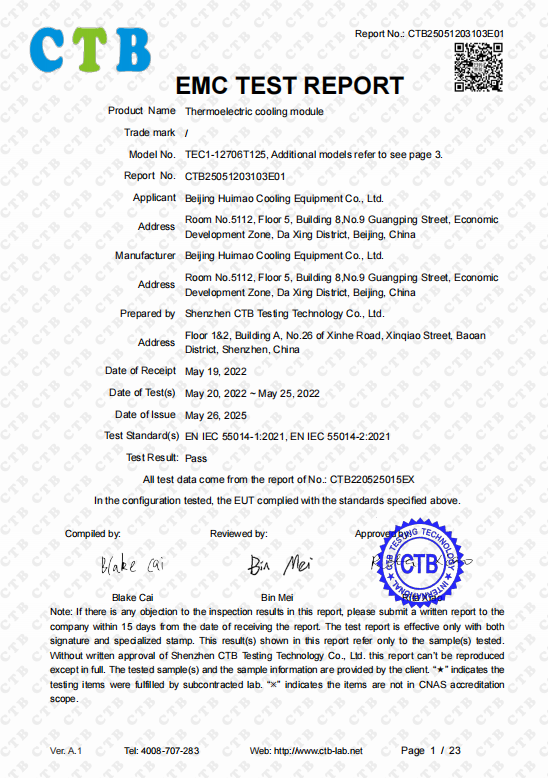
Certifications & Compliance
Comprehensive Thermoelectric Product Line

Multi-Stage Thermoelectric Cooling Module
View Details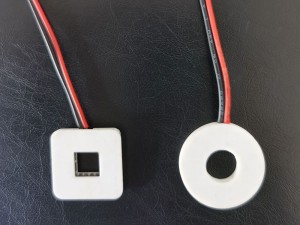
Center Hole & Round Thermoelectric Cooling Module
View Details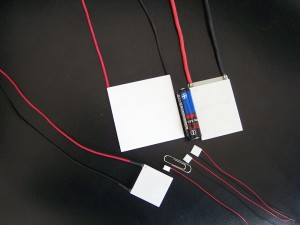
High Temperature Thermoelectric Cooling Module
View Details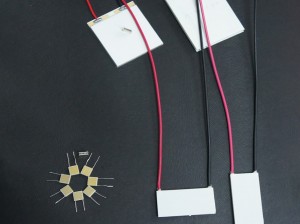
Standard Thermoelectric Cooling Module
View Details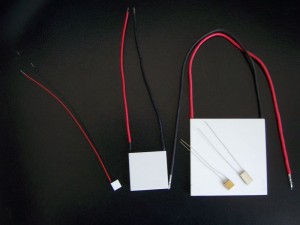
Micro Thermoelectric Cooling Module
View Details
High Power Thermoelectric Cooling Module
View Details
Customized Thermoelectric Cooling Module
View Details
Customized Thermoelectric Cooling Unit
View Details-

E-mail
-

Phone
-

Top


