Featured Thermoelectric Solutions
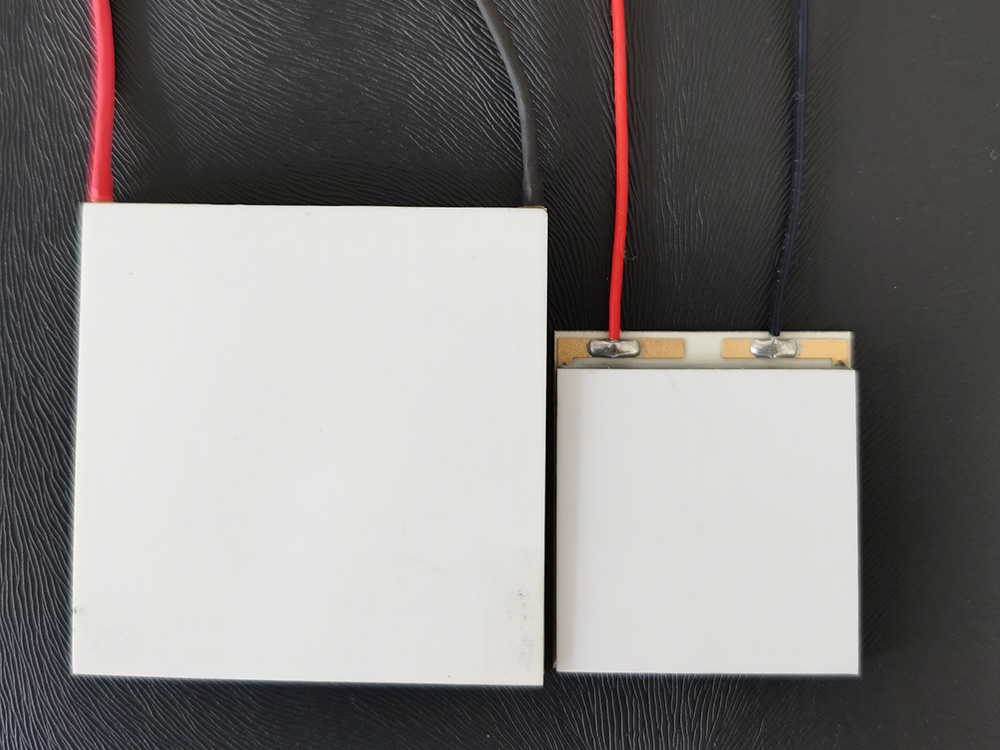
Thermoelectric Power Generator
Learn More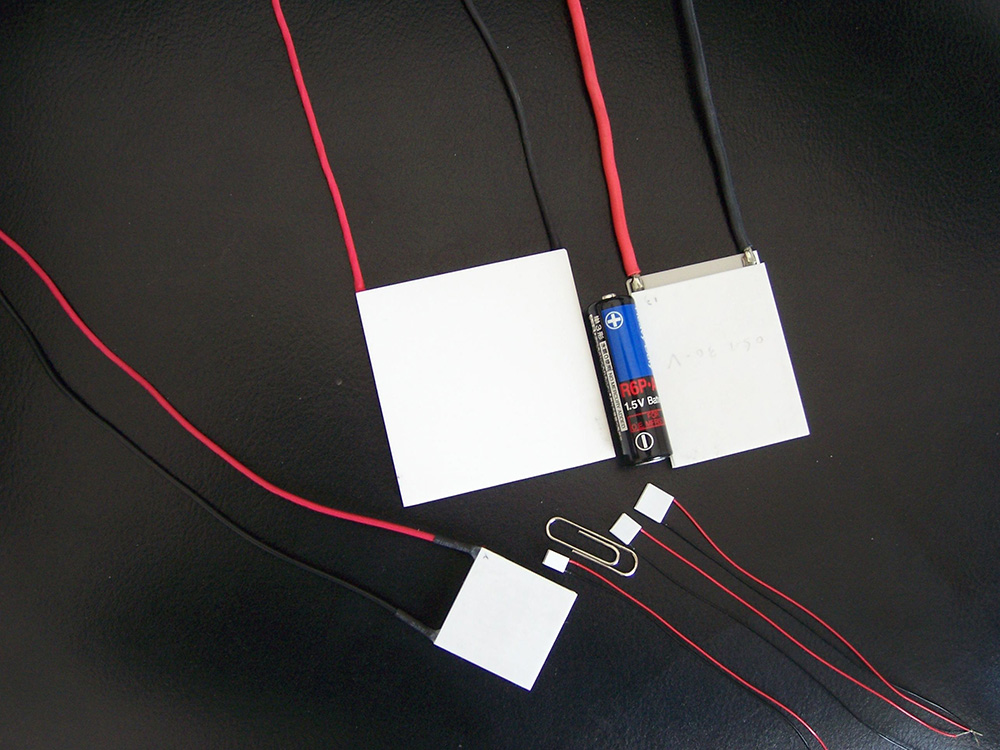
High Temperature Thermoelectric Cooling Module
Learn More
Center Hole & Round Thermoelectric Cooling Module
Learn More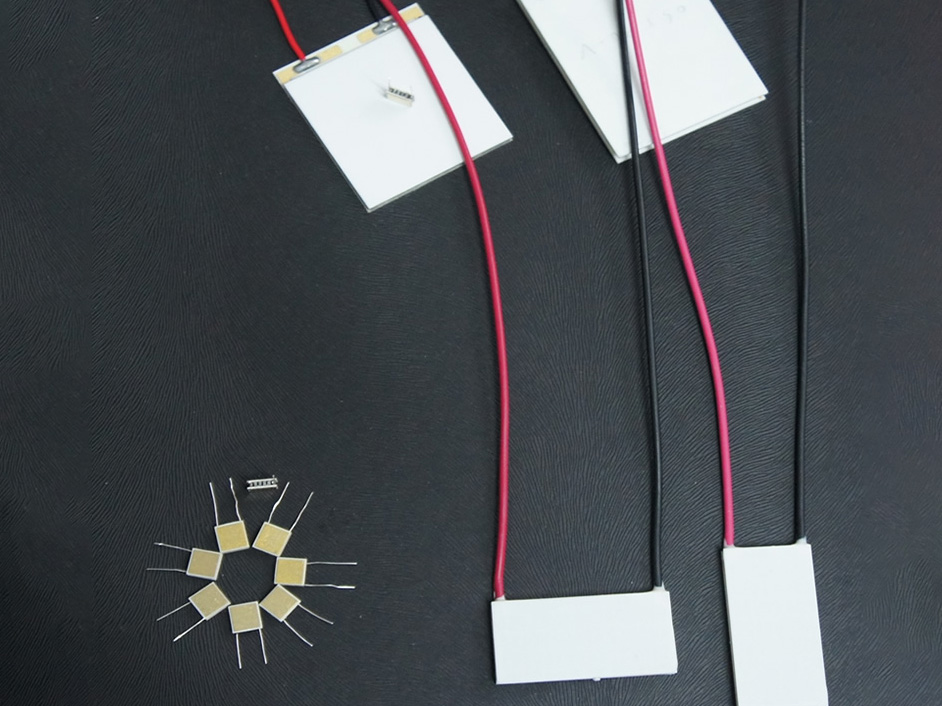
Standard Thermoelectric Cooling Module
Learn MoreThermoelectric Cooling Technology in Brazil: Industrial Landscape
As the largest economy in South America, Brazil is undergoing a rapid technological transformation across its industrial, medical, and agricultural sectors. Thermoelectric cooling systems, which leverage the solid-state Peltier effect to transfer heat without moving parts or chemical refrigerants, have emerged as a critical component in this modernization. Operating in a tropical climate where ambient temperatures frequently exceed 35°C, Brazilian industries require highly reliable, precise, and rugged cooling solutions. From the bustling industrial hubs of São Paulo and the Manaus Free Trade Zone to remote agricultural outposts in the Midwest, thermoelectric modules (TECs) offer unparalleled advantages over traditional compressor-based refrigeration.
Unlike conventional cooling methods that rely on mechanical compressors and volatile fluids, thermoelectric cooling systems operate silently, require zero maintenance, and possess an exceptionally long operational lifespan. This makes them ideal for Brazil's demanding infrastructure projects, where equipment is often deployed in remote, harsh environments. As a leading global factory and supplier, Beijing Huimao Cooling Equipment Co., Ltd. provides high-performance thermoelectric systems tailored to meet the specific environmental and industrial challenges of the Brazilian market.
High Ambient Resilience
Engineered to perform reliably in Brazil’s intense tropical heat and high humidity levels.
Eco-Friendly & Green
Zero refrigerant gases (CFCs/HCFCs), aligning perfectly with Brazil's strict ESG policies.
Precise Temp Control
Maintains critical target temperatures within fractions of a degree Celsius.
Localized Application Scenarios in Brazil
The application of thermoelectric cooling modules in Brazil spans several key sectors:
- Telecommunications & Outdoor Enclosures: Brazil’s vast telecommunications network, stretching across remote regions like the Amazon basin and the Northeast, relies on outdoor electronic enclosures. Peltier-based cooling units protect sensitive electronics from overheating without the risk of mechanical failure or dust ingress.
- Agribusiness & Cold Chain Logistics: As a global agricultural powerhouse, Brazil requires strict temperature management for seed storage, laboratory testing, and cold-chain logistics. Customized thermoelectric cooling units ensure that biological samples and high-value agricultural products remain stable during transit under extreme ambient conditions.
- Medical & Laboratory Devices: In Brazilian healthcare facilities and research laboratories, precise temperature control is vital. Our multi-stage thermoelectric modules are integrated into medical equipment such as DNA thermal cyclers, blood analyzers, and portable vaccine coolers, which are crucial for public health campaigns in remote rural communities.
- Automotive Industry: With Brazil's growing automotive manufacturing base focusing on electric vehicle (EV) development and driver comfort, thermoelectric technology is increasingly adopted for battery thermal management and climate-controlled seating systems.
Market Trends and Future Outlook
The Brazilian market is shifting rapidly towards sustainable, energy-efficient, and low-maintenance technologies. The integration of renewable energy sources, such as solar photovoltaic (PV) systems, with thermoelectric cooling systems is a growing trend. Because thermoelectric modules operate on direct current (DC) power, they can be directly coupled with solar panels and battery storage systems, offering an off-grid cooling solution ideal for agricultural and meteorological monitoring stations across the country. Additionally, the drive toward industry 4.0 and IoT (Internet of Things) devices in Brazil has heightened the demand for micro-thermoelectric cooling modules capable of localized thermal management on circuit boards and sensor systems.
About Us: Beijing Huimao Cooling Equipment Co., Ltd.
Beijing Huimao Cooling Equipment Co., Ltd. has been a pioneer in the global thermoelectric market since 1996. We are a worldwide company with many years of experience, specializing in the research, design, and manufacturing of thermoelectric cooling modules and complete products. Our extensive technology portfolio includes bottled water coolers, thermoelectric cooling modules, mini coolers, heat/cool car seat cushions, warm/cool sleep pads, and thermoelectric therapy pads.
The Beijing Huimao product line features a full range of standard, single-stage thermoelectric cooling modules, thermoelectric modules, Peltier coolers, thermoelectric coolers, and TEC modules. We also design and manufacture standard and custom multi-stage TEC modules configured to meet the needs of specific, high-precision applications. Currently, we offer over 400 types of regular thermoelectric cooling modules serving a wide variety of commercial and industrial applications. Physical dimensions of our TEC modules range from 4.2 x 4.2 mm to 62 x 62 mm, with cooling capacity values spanning from 0.1 Watts to 400 Watts, respectively.
Huimao provides fully configured, custom-designed assemblies incorporating thermoelectric cooling modules with heat sinks, heat pipes, and customer-supplied components. We support all of our products with extensive technical and design assistance. All components are 100% tested prior to shipment. We strive to offer our global customers high-quality solutions and competitive pricing for both OEM and end-user markets. Today, our products are exported to North America, South America (including Brazil), the EU, Western Asia, Japan, India, and Australia.
Our sister factory, Beijing Huayu-Landian Refrigeration Technology Co., Ltd., established in 2000, manufactures complete thermoelectric cooling consumer products, including water coolers, warm/cold sleep pads, heat/cool car seat cushions, and personal mini coolers. Together, our manufacturing facilities have a combined capacity to produce over 200,000 units per annum.


Quality Guarantee of Huimao Thermoelectric Cooling Modules
Ensuring quality and maintaining high levels of reliability are the two primary strategic goals for Huimao’s top engineers during the product design and manufacturing processes. All Huimao products must undergo a strict evaluation and examination process prior to shipment. Every module passes two comprehensive anti-moisture testing processes to ensure the protection mechanisms are fully functional, preventing future field failures caused by moisture ingress. In addition, more than ten quality control points are established along the production line to supervise the manufacturing process.
Huimao’s thermoelectric cooling modules (TEC modules) have an expected average useful life of 300,000 hours. Furthermore, our products have passed rigorous thermal cycling tests, alternating between heating and cooling processes within extremely short timeframes. This test is conducted by repeatedly cycling electrical current through the thermoelectric cooling module: connecting the modules to an electric current for 6 seconds, pausing for 18 seconds, and then applying the opposite current for 6 seconds. During this test, the current forces the hot side of the module to heat up to as high as 125°C within 6 seconds before cooling down. This cycle is repeated 900 times, totaling 12 hours of testing time.
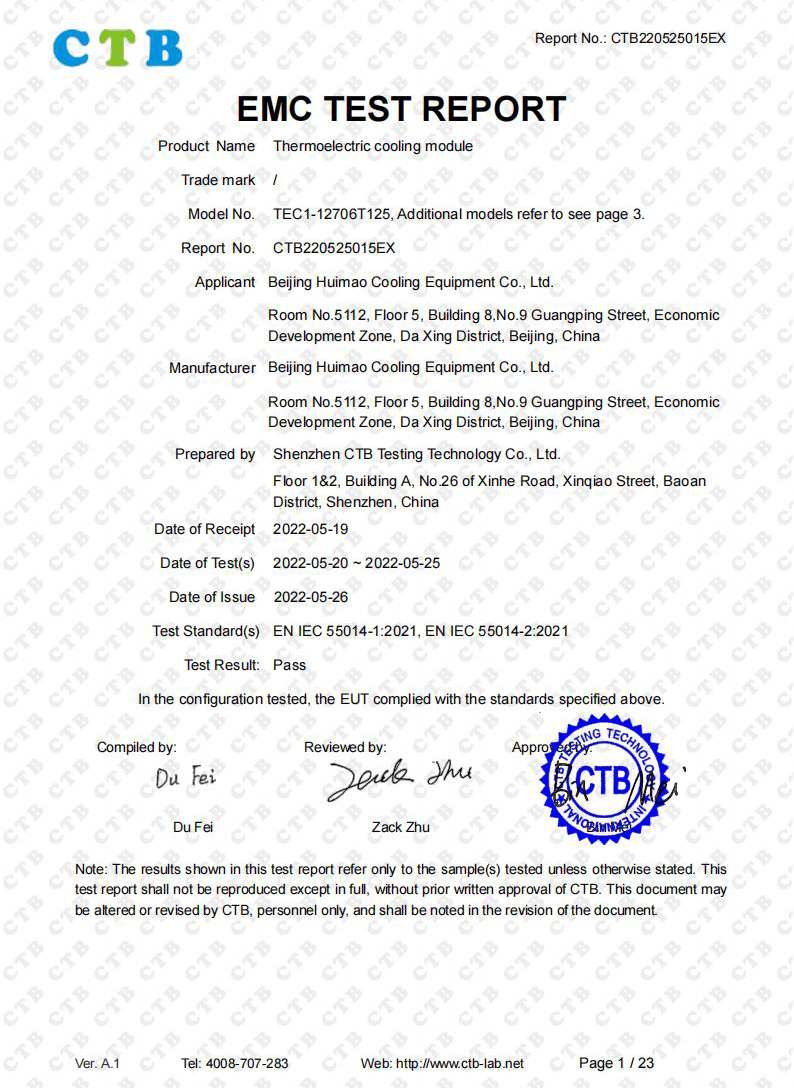
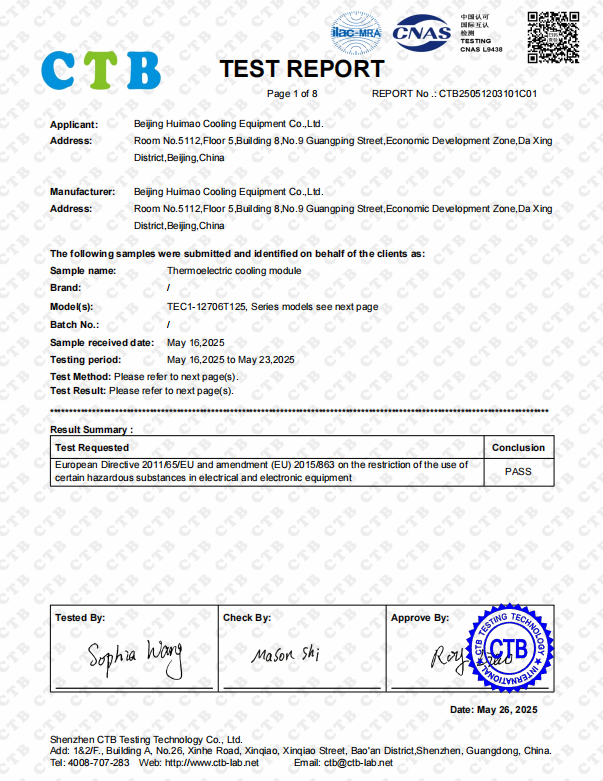
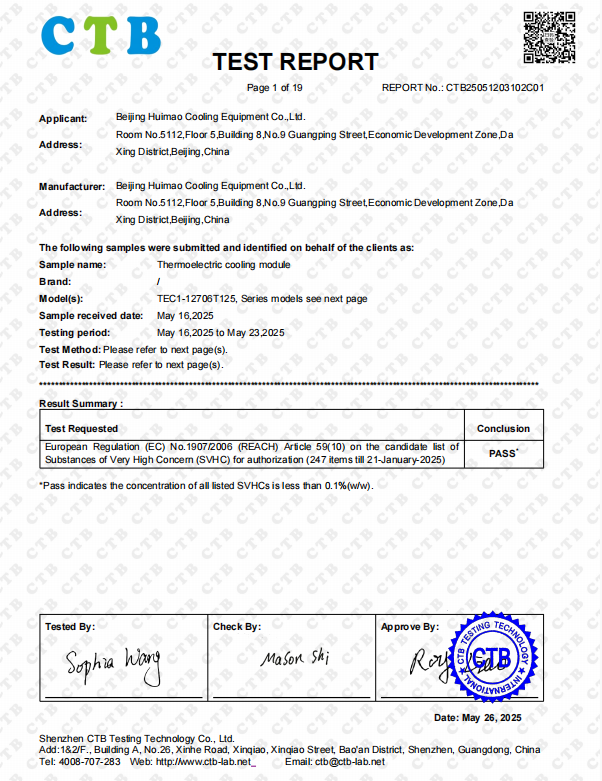
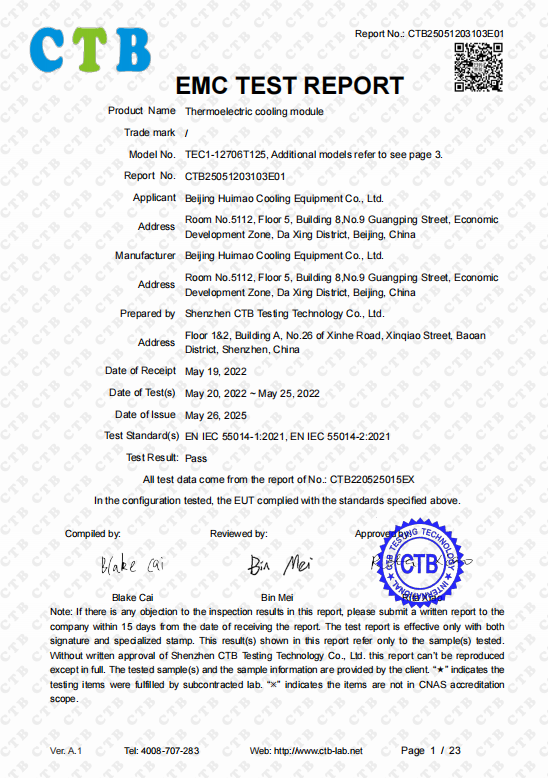
Certifications & Compliance
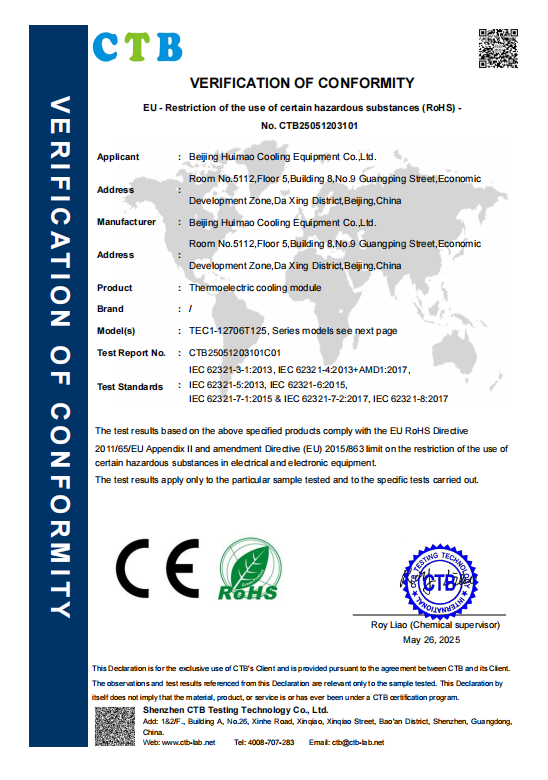
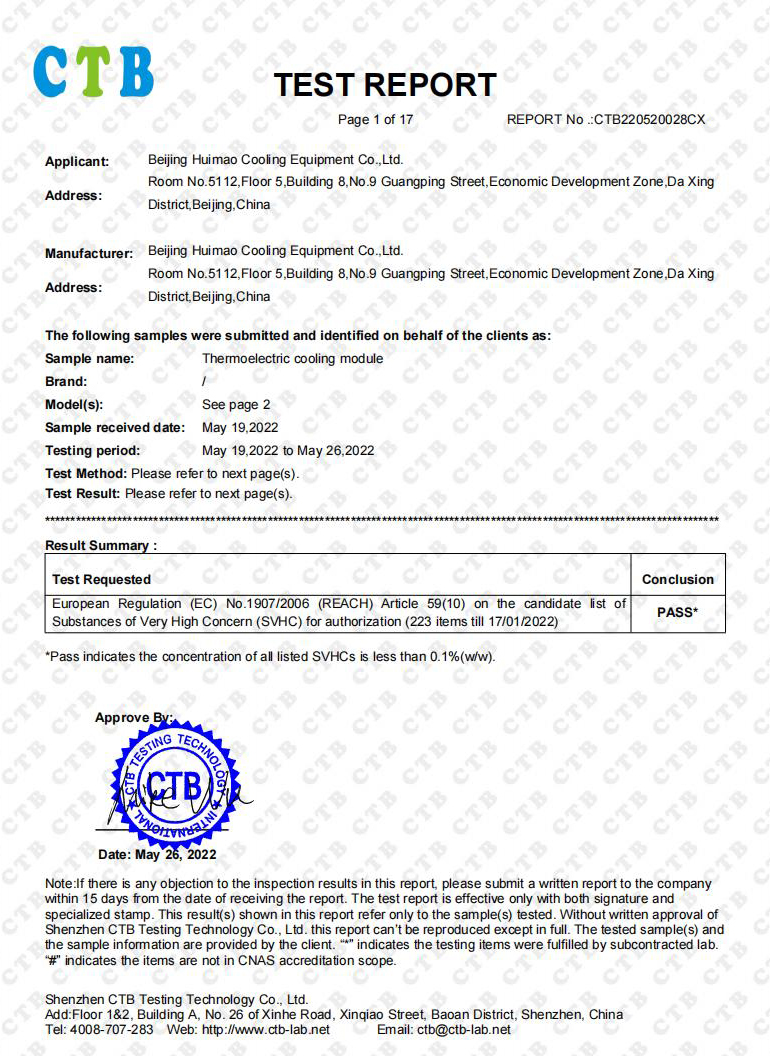
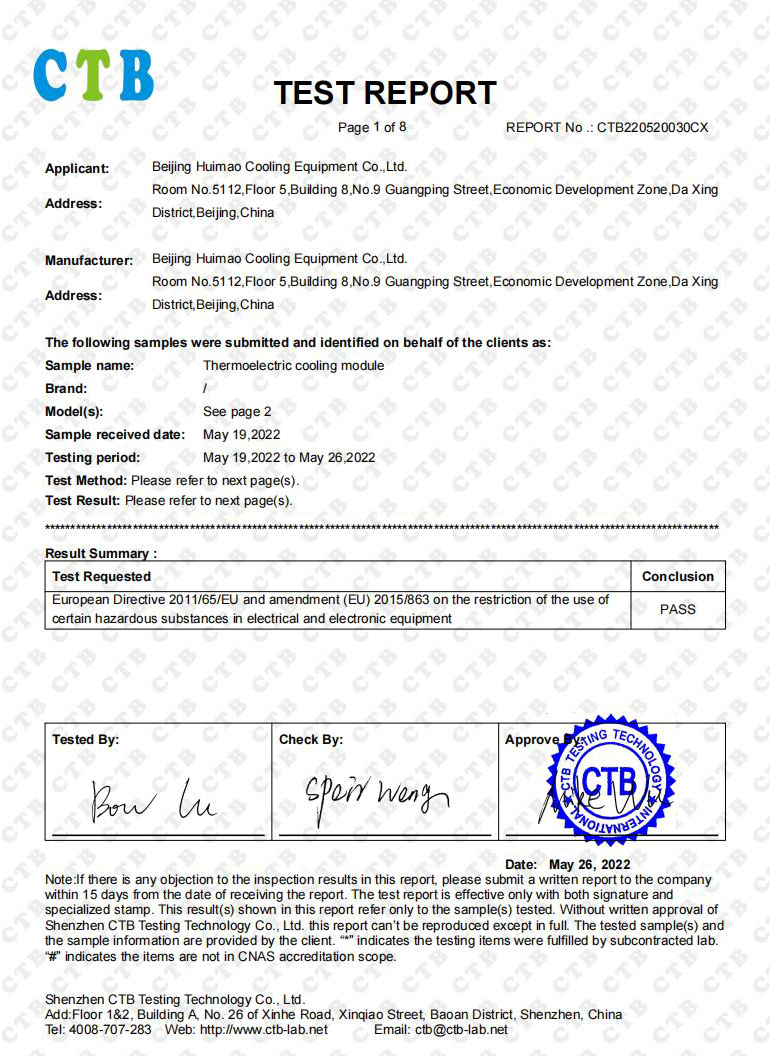
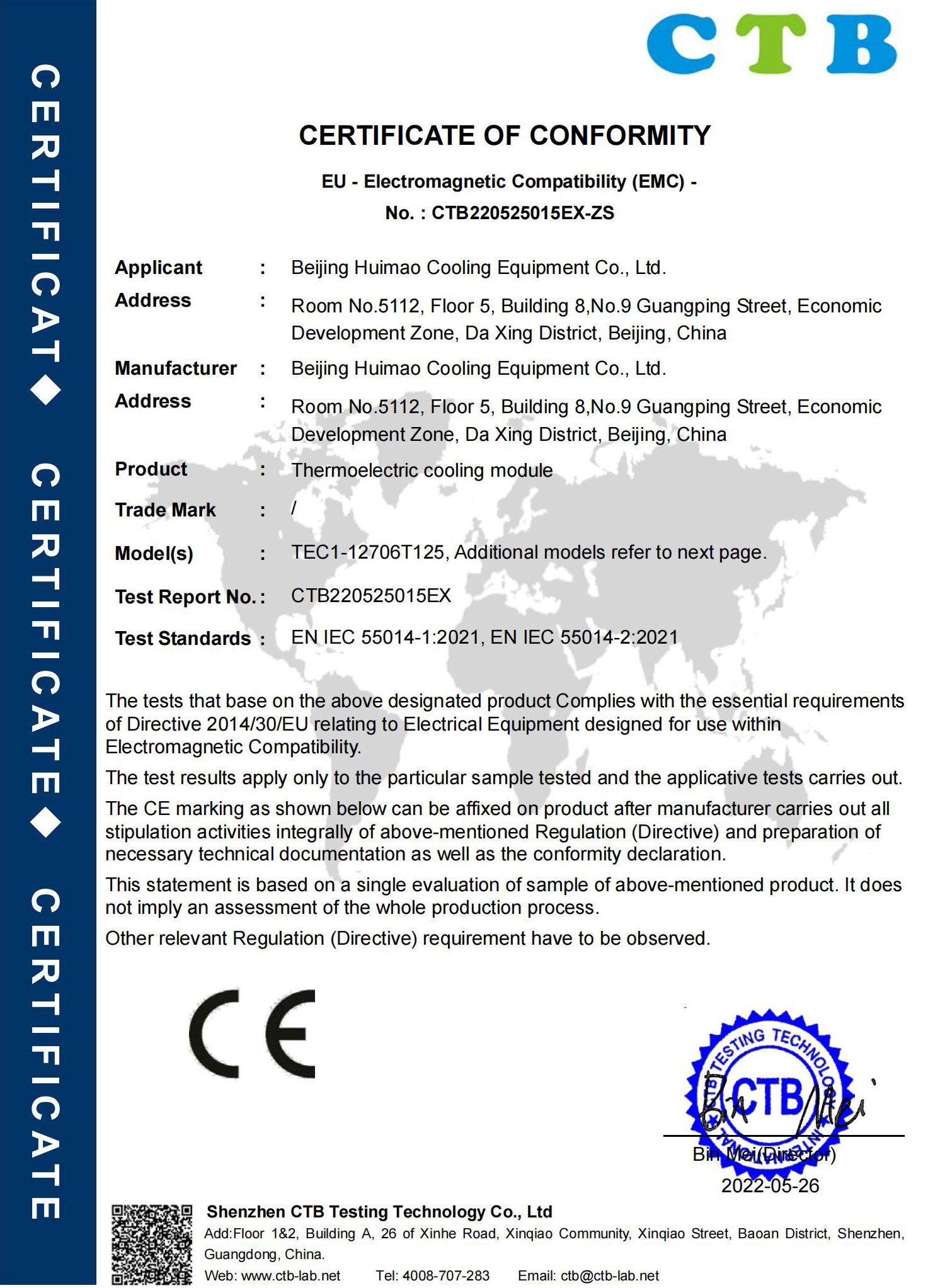
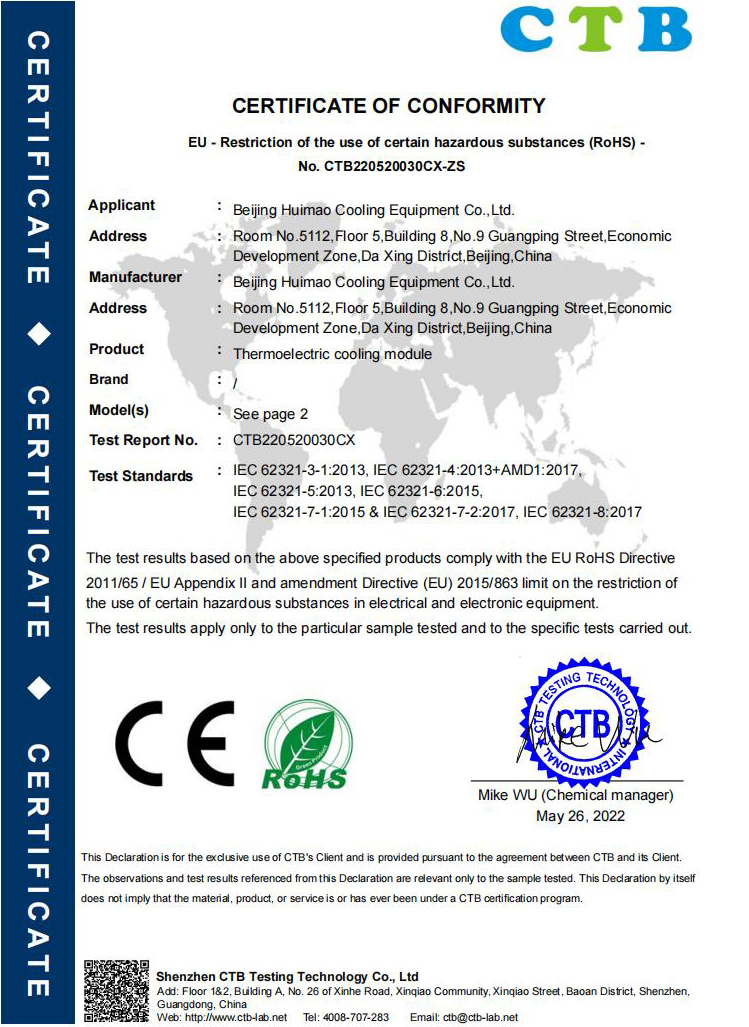
Our commitment to global engineering standards is reflected in our extensive certifications. All Huimao thermoelectric cooling modules comply with international environmental and safety regulations.

Our Complete Product Portfolio
Thermoelectric Power Generator
Learn More
High Temperature Thermoelectric Cooling Module
Learn More
Center Hole & Round Thermoelectric Cooling Module
Learn More
Standard Thermoelectric Cooling Module
Learn More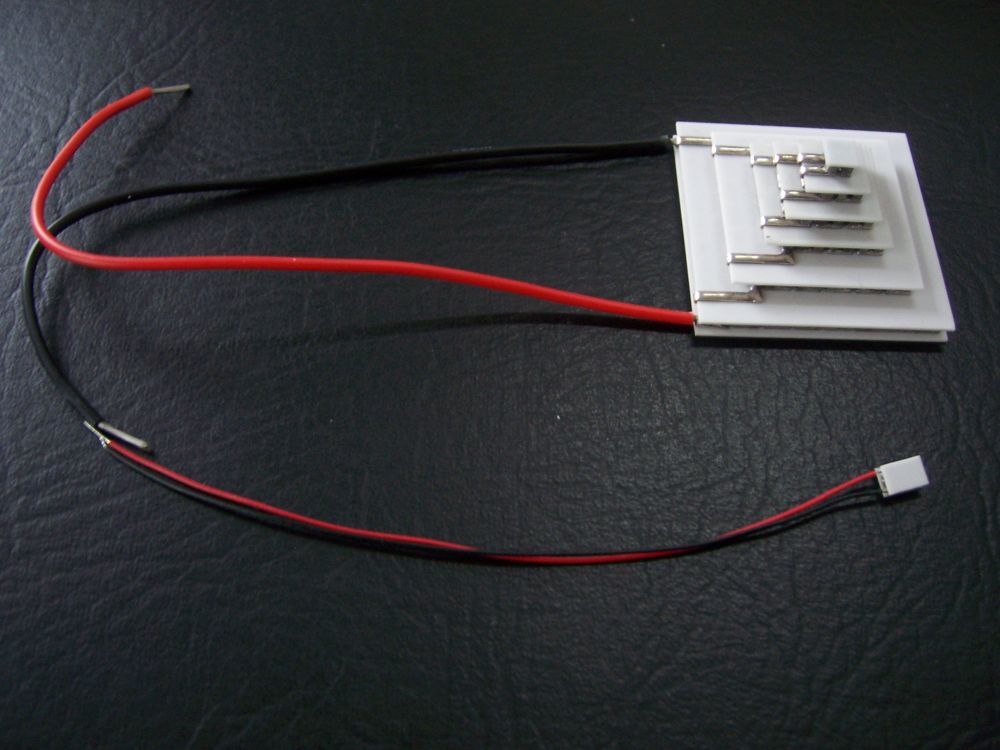
Multi-Stage Thermoelectric Cooling Module
Learn More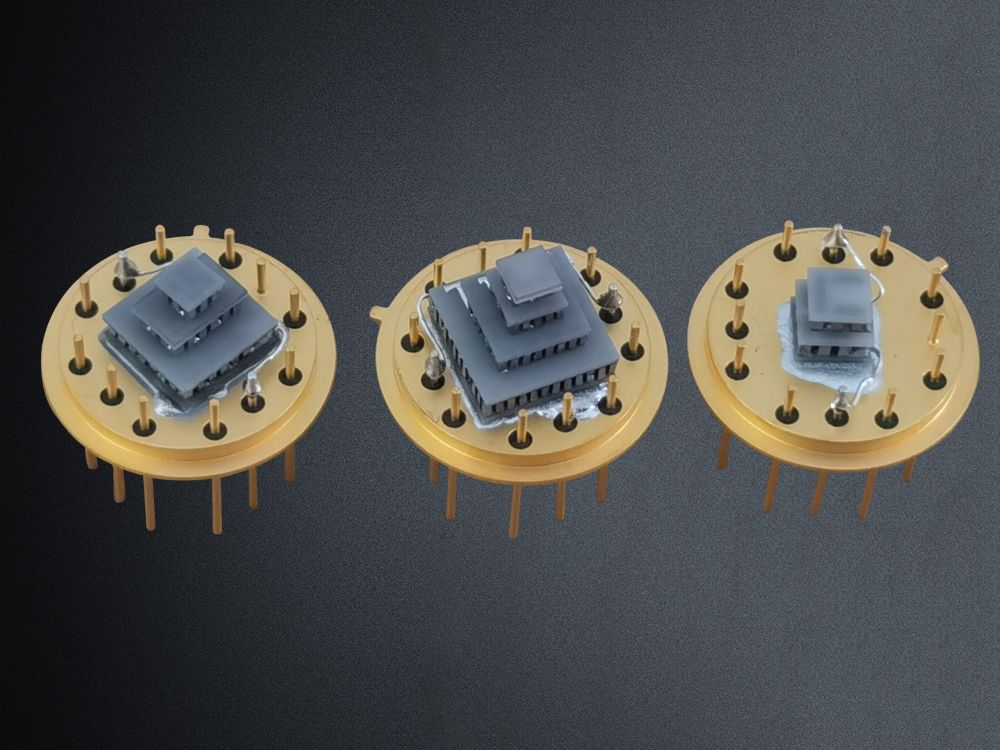
Customized Thermoelectric Cooling Module
Learn More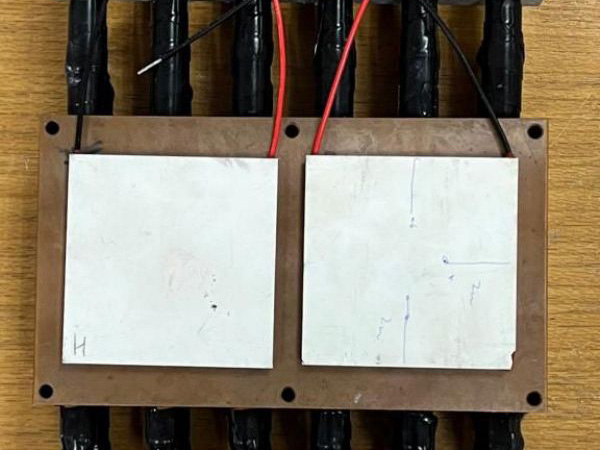
Customized Thermoelectric Cooling Unit
Learn More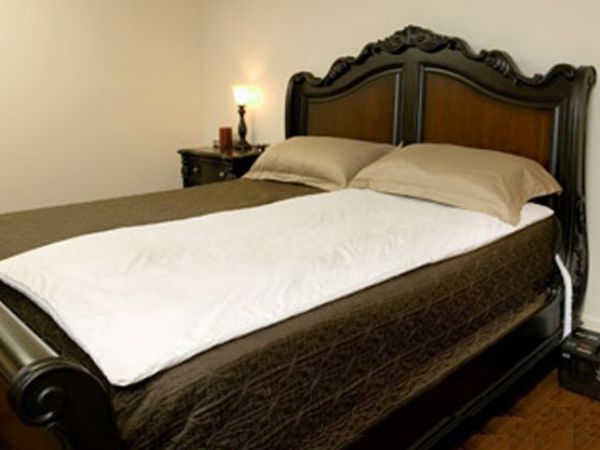
Thermoelectric Cool/Heat Comfortable Cotton Sleep Pad
Learn MoreUnderstanding Bismuth Telluride (Bi2Te3) & Thermoelectric Physics
At the heart of our thermoelectric cooling modules is Bismuth Telluride (Bi2Te3), a semiconductor material optimized for high-performance thermoelectric conversion. The fundamental principle behind thermoelectric cooling is the Peltier effect, discovered in the 19th century. When a direct electric current (DC) passes through the junction of two dissimilar semiconductor materials (n-type and p-type), it absorbs heat at one junction (cooling it) and releases heat at the other (heating it).
By arranging dozens or hundreds of these thermocouple junctions electrically in series and thermally in parallel, we construct a high-capacity TEC module. The efficiency of these modules is determined by the figure of merit (ZT), which depends on the material's electrical conductivity, Seebeck coefficient, and thermal conductivity. Our engineers at Beijing Huimao have spent decades refining the chemical composition and manufacturing processes of Bismuth Telluride crystals to maximize the ZT value. This ensures that our modules offer the highest possible heat pumping capacity (Qmax) and maximum temperature difference (Delta Tmax) under standard and extreme conditions.
For applications requiring deep cooling, standard single-stage modules may reach their physical limits. In these scenarios, multi-stage (stacked) thermoelectric cooling modules are employed. By stacking smaller modules on top of larger ones, we can achieve temperature differences exceeding 100°C. This level of thermal control is particularly critical for scientific instrumentation, infrared detector cooling, and laser diode stabilization—technologies that are rapidly expanding in Brazil's academic research centers and high-tech defense industries.
Optimizing Thermal Interface Materials (TIM) for Peltier Assemblies
A thermoelectric cooling module is only as effective as the thermal system in which it is integrated. To achieve optimal performance, proper thermal interface materials (TIM) must be applied between the ceramic substrates of the TEC and the corresponding heat sink/cold plate surfaces. Air gaps, even on microscopic scales, act as thermal insulators and significantly degrade cooling efficiency.
Beijing Huimao assists Brazilian engineers in selecting the correct TIMs—whether thermal grease, phase-change materials, or graphite sheets—and advises on the optimal clamping force required during assembly. Over-tightening can crack the fragile ceramic substrates (typically Alumina, Al2O3, or Beryllium Oxide, BeO), while under-tightening leads to insufficient thermal contact. Our comprehensive design support ensures that custom assemblies, incorporating heat pipes, liquid cold plates, and high-density finned heat sinks, are perfectly matched to the thermal load requirements of the application.
Why Choose Beijing Huimao as Your Supplier in Brazil?
Navigating the import logistics, technical compliance, and custom engineering requirements in Brazil can be challenging. Beijing Huimao Cooling Equipment Co., Ltd. simplifies this process by providing dedicated technical support, comprehensive documentation, and robust packaging designed for international transit.
- Proven Longevity: With an average useful life of 300,000 hours, our modules minimize downtime and maintenance costs for industrial facilities across Brazil.
- Custom Customization: We offer over 400 standard module configurations, but we also design custom physical shapes, electrical specifications, and integrated thermal assemblies to fit unique spatial constraints.
- Global Certification: Fully certified under CE, RoHS, and REACH, ensuring that your final products comply with both domestic Brazilian environmental regulations and international export standards.
- Scalable Supply Chain: With our combined factory capacities producing over 200,000 units annually, we can scale from low-volume prototyping to high-volume OEM production seamlessly.
-

E-mail
-

Phone
-

Top


