Featured Thermal Solutions for Medical Constant Temperature Devices
High-performance thermoelectric modules and units optimized for clinical accuracy and therapeutic reliability

The Critical Role of Thermoelectric Cooling Pads in Modern Medical Devices
In the contemporary healthcare landscape, precision is not merely a goal; it is a critical requirement. Thermoelectric Cooling Pads for Medical Constant Temperature Devices have emerged as a foundational technology enabling exact thermal regulation. Unlike traditional compressor-based cooling methods, which are bulky, noisy, and prone to mechanical failures, thermoelectric systems utilize the solid-state Peltier effect to transfer heat. This ensures silent, vibration-free, and highly reliable operations within clinical environments.
Medical constant temperature devices, ranging from laboratory incubators and DNA thermal cyclers to patient therapeutic cooling blankets, rely on rapid and accurate temperature transitions. A thermoelectric cooling pad acts as the thermal engine in these devices. By controlling the direction and magnitude of the electrical current, it can switch from cooling to heating in fractions of a second. This bidirectional capability allows developers to design systems that maintain temperatures within tolerances as tight as ±0.01°C.
Why Solid-State Cooling Matters in Healthcare
Medical equipment demands constant uptime and absolute stability. Thermoelectric modules contain no moving parts, reducing the risk of component wear and tear. This leads to an exceptional operational lifespan—often exceeding 300,000 hours—ensuring that life-saving diagnostics and patient therapies are never compromised by mechanical cooling failures.
Micro-Precision Control
Allows precise temperature regulation to within fractions of a degree, vital for enzyme preservation and diagnostic testing.
Solid-State Reliability
No moving parts, no refrigerants, and no vibrations ensure silent, maintenance-free operation in sensitive environments.
Rapid Thermal Cycling
Enables swift transition between heating and cooling cycles, crucial for Polymerase Chain Reaction (PCR) devices.
Eco-Friendly Technology
Free from harmful CFC or HCFC gases, aligning with modern hospital sustainability initiatives and global green standards.
Industrial and Commercial Status of Thermoelectric Cooling in Medicine
The global medical device market is undergoing a rapid evolution toward miniaturization, point-of-care testing (POCT), and personalized patient therapies. This transition has dramatically increased the demand for compact, efficient thermal management systems. The commercial market for Thermoelectric Cooling Pads for Medical Constant Temperature Devices is seeing steady growth, driven by investments in molecular diagnostics, immunology, and targeted temperature management (TTM) systems for critical care patients.
From an industrial perspective, manufacturers are focusing on integrating advanced materials into Peltier devices. Using high-grade bismuth telluride ($Bi_2Te_3$) alloys and advanced ceramic substrates, modern TEC modules deliver higher heat pumping capacities in smaller footprints. This allows medical device OEMs to design more compact desktop analyzers, portable vaccine storage units, and wearable thermal therapy devices. Furthermore, the integration of smart closed-loop control algorithms (such as PID controllers) with thermoelectric modules ensures that power consumption is optimized, reducing the overall thermal footprint of the host medical device.
Deep Dive into Key Application Scenarios
Thermoelectric cooling technology is utilized across a wide spectrum of medical fields. Below is a detailed analysis of the primary applications where precision temperature control is non-negotiable:
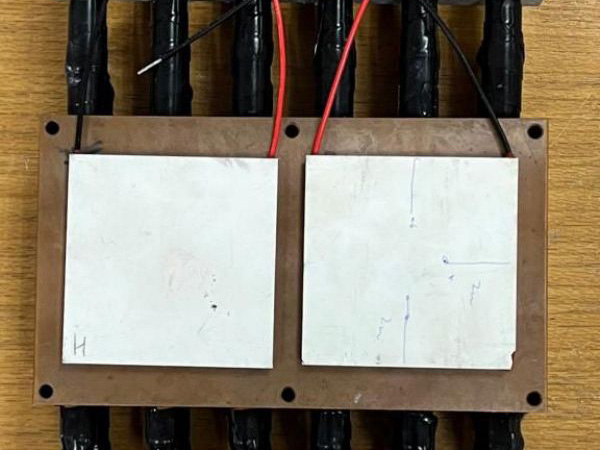
- Targeted Temperature Management (TTM) & Therapy Pads: Post-cardiac arrest patients, infants suffering from neonatal encephalopathy, and patients undergoing localized rehabilitation require controlled cooling or warming. Thermoelectric therapy pads, directly integrated into patient blankets or wraps, offer safe, precise, and responsive temperature adjustments, mitigating the risks of tissue damage associated with unregulated thermal packs.
- Molecular Diagnostics & PCR Thermal Cyclers: DNA amplification via Polymerase Chain Reaction (PCR) requires rapid cycling through precise temperatures (typically 95°C, 55°C, and 72°C). High-cycle thermoelectric modules are engineered to withstand the extreme thermal stresses of these rapid transitions, ensuring consistent diagnostic results over thousands of cycles.
- Blood, Enzyme, and Specimen Storage: Clinical labs handle highly sensitive biological reagents that degrade rapidly outside their optimal temperature zones. Multi-stage thermoelectric cooling units maintain stable, constant temperatures in storage compartments, even under fluctuating ambient laboratory conditions.
- Laser and Imaging Equipment Cooling: High-powered medical lasers and diagnostic imaging sensors generate substantial heat. Thermoelectric coolers prevent thermal drift, protecting sensitive optics and electronic sensors from degradation, thereby maintaining imaging clarity and treatment accuracy.
| Application Area | Device Type | Temperature Range | Key Thermal Requirement |
|---|---|---|---|
| Patient Rehabilitation | Thermoelectric Therapy Pad / Sleep Pad | 15°C to 45°C | Silent operation, soft contact, high safety margins |
| Molecular Biology | PCR Thermal Cycler / Analyzer | 4°C to 99°C | Ultra-fast ramp rates, high cycle reliability |
| Clinical Storage | Portable Vaccine & Specimen Cooler | -20°C to 8°C | Low power draw, compact size, vibration-free |
| Dermatology & Surgery | Medical Laser Cooling Unit | 10°C to 25°C | High heat flux removal, precise thermal stability |
Future Trends in Thermoelectric Medical Technologies
As we look to the future, several technological trends are poised to redefine the capabilities of thermoelectric cooling pads in medical constant temperature devices. Chief among these is the rise of smart, IoT-enabled thermal management systems. Future medical devices will not only regulate temperature locally but will also transmit real-time thermal performance data to cloud-based monitoring networks. This allows for predictive maintenance of critical diagnostic equipment, preventing unexpected down-time in busy hospital labs.
Another major trend is the development of flexible and wearable thermoelectric devices. Researchers are working on organic thermoelectric materials that can be printed onto flexible substrates. This could lead to smart bandages and wearable therapeutic patches that regulate local skin temperature dynamically based on physiological feedback from the patient. Such advancements will broaden the scope of thermoelectric therapy pads, making personalized recovery treatments more accessible outside of clinical settings.
Finally, environmental sustainability is driving the phase-out of traditional chemical refrigerants. Thermoelectric technology, being completely solid-state, is inherently green. As regulations tighten around global warming potential (GWP) of refrigerants, thermoelectric cooling solutions are becoming the default choice for small-to-medium-scale medical refrigeration systems, aligning healthcare facilities with modern environmental standards.
About Beijing Huimao Cooling Equipment Co., Ltd.
A pioneer and global leader in thermoelectric technology since 1996
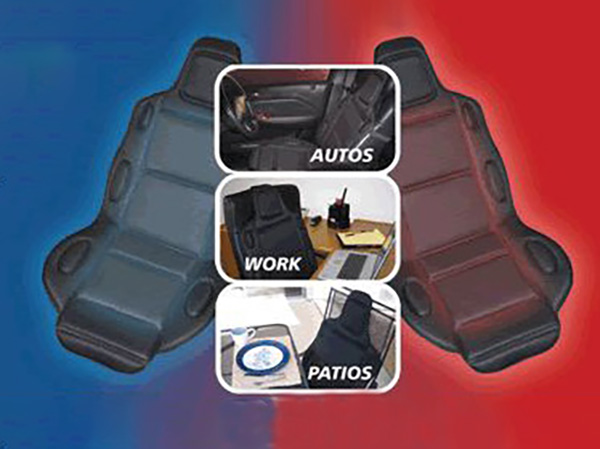
Beijing Huimao Cooling Equipment Co., Ltd. has been active in the global thermoelectric market since 1996. As a worldwide enterprise with decades of specialized experience, we focus on the research, design, and manufacturing of high-performance thermoelectric cooling modules and fully integrated thermal products. Our technological expertise spans a diverse range of products, including bottled water coolers, thermoelectric cooling modules, mini coolers, heat/cool car seat cushions, warm/cool sleep pads, and specialized thermoelectric therapy pads.
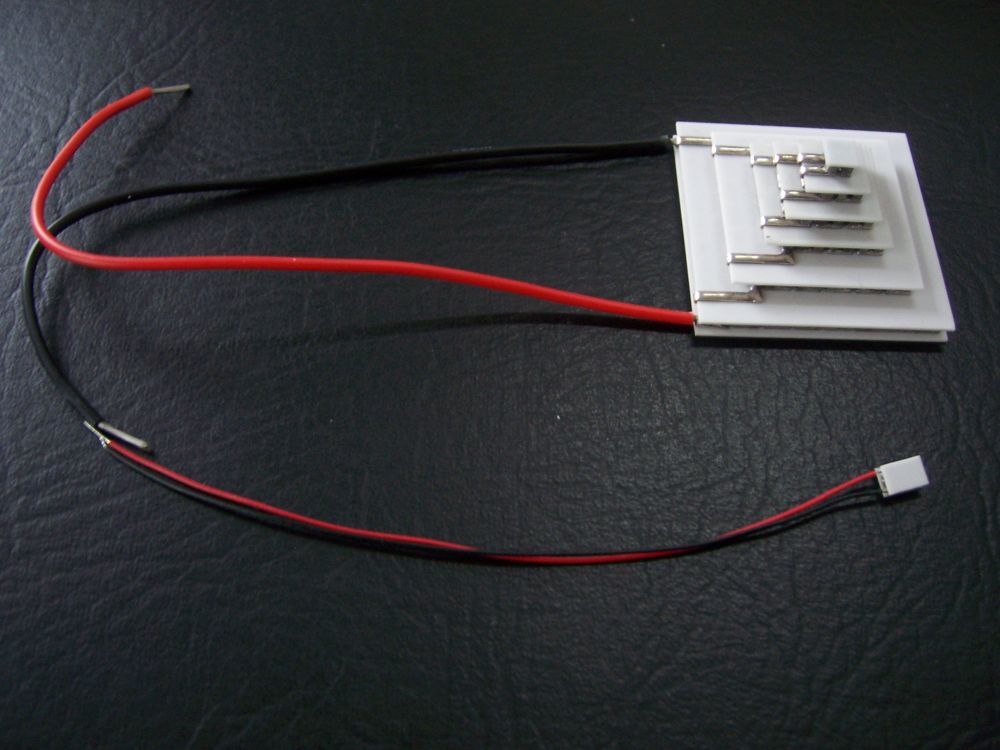
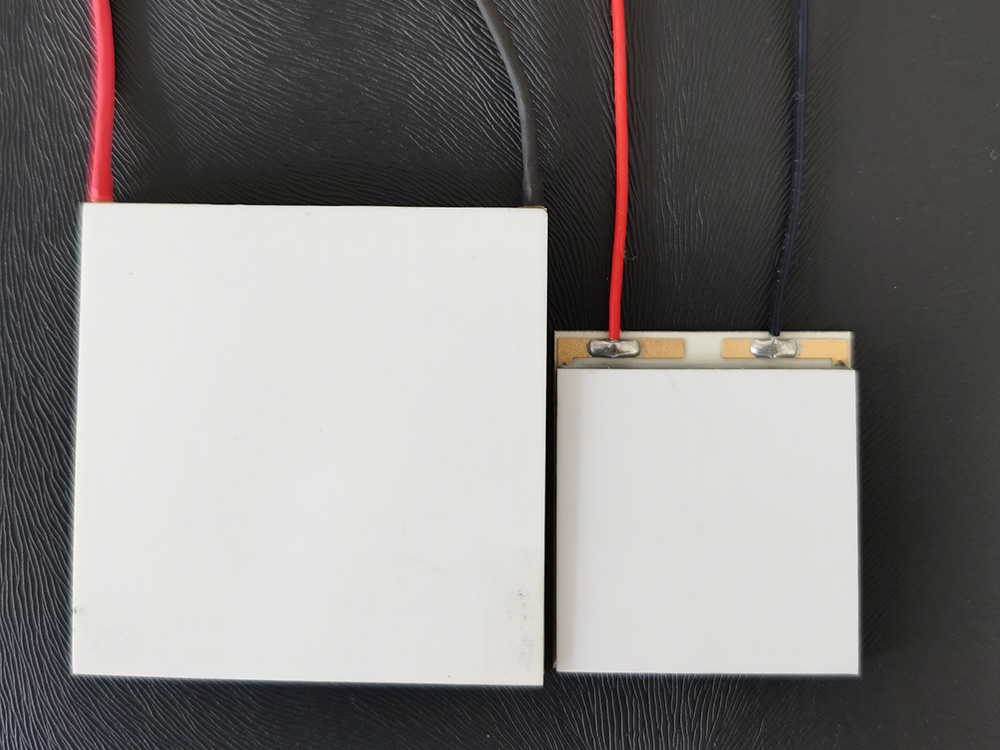
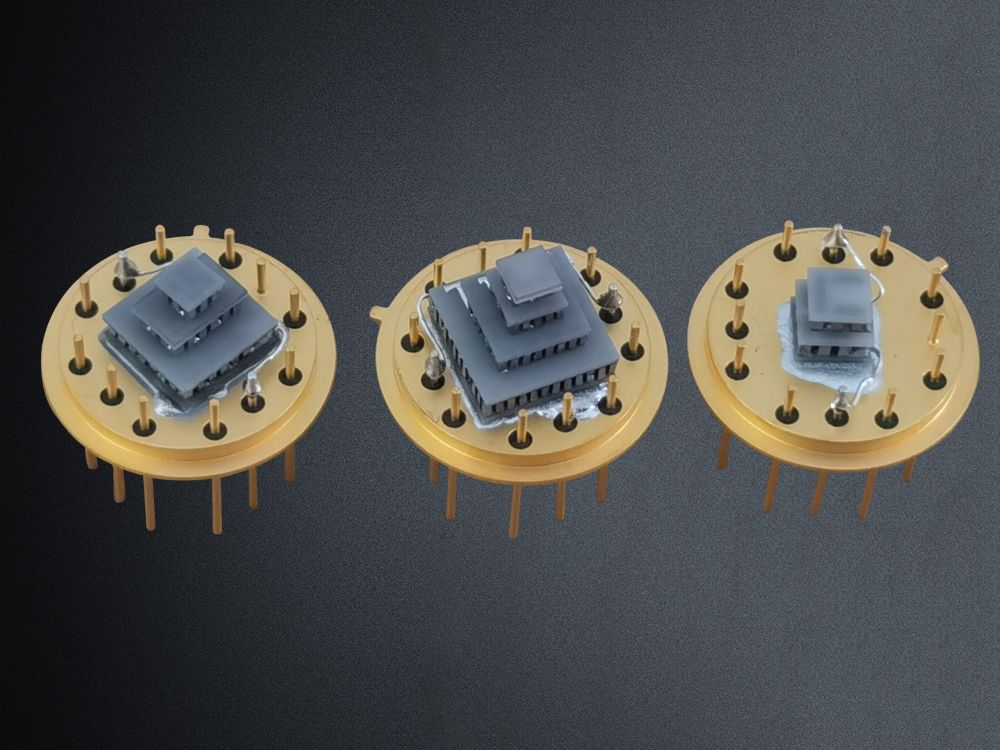
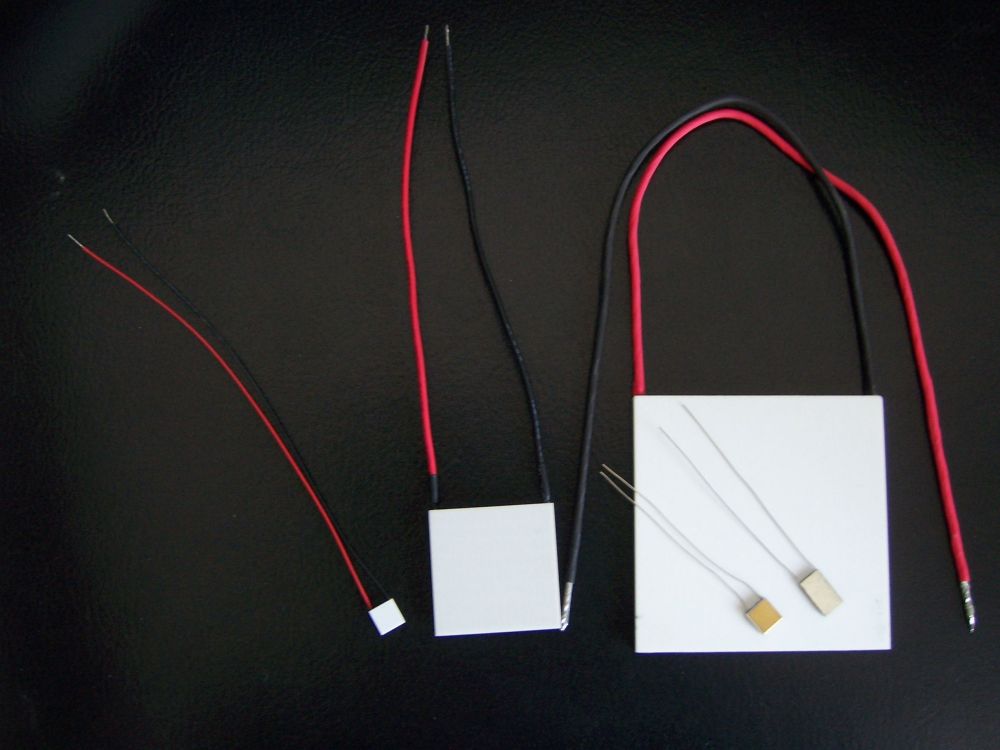
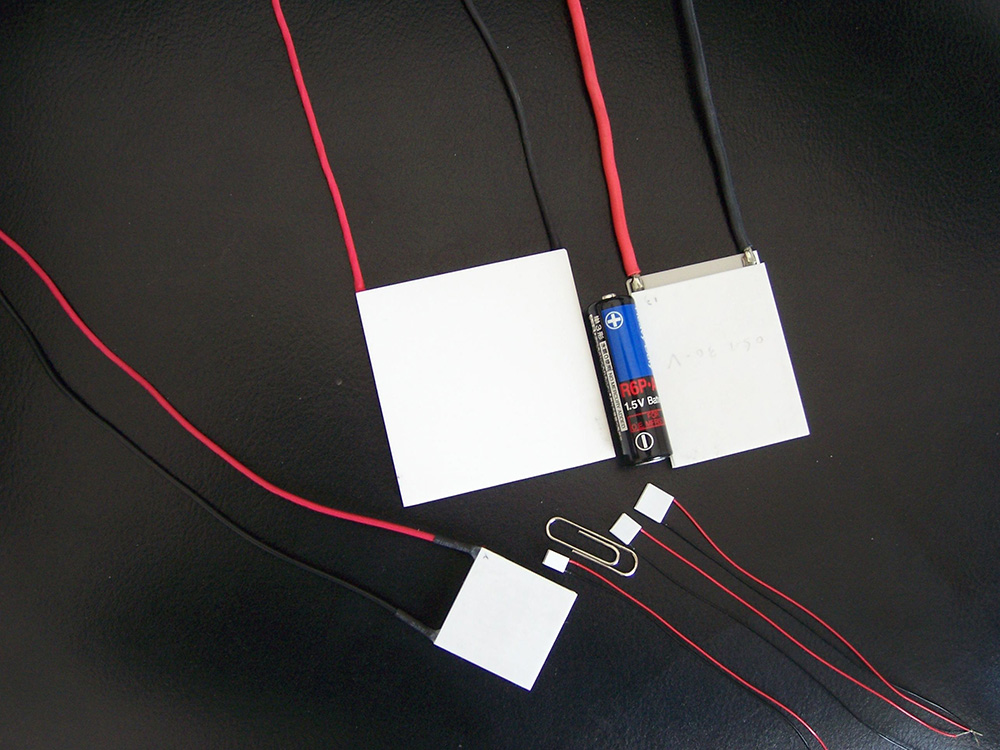
The Huimao product line features a comprehensive range of standard, single-stage thermoelectric modules, Peltier coolers, TEC modules, and custom multi-stage TEC modules designed to meet the exact requirements of specific medical, industrial, and consumer applications. Currently, we offer over 400 types of regular thermoelectric cooling modules. Physical dimensions range from 4.2 x 4.2 mm to 62 x 62 mm, with cooling capacities spanning from 0.1 Watts to 400 Watts, ensuring a suitable option for any thermal design constraint.
In addition to individual modules, Huimao provides fully configured, custom-designed assemblies that incorporate thermoelectric cooling modules with heat sinks, heat pipes, and customer-specified components. We support all of our products with extensive technical and design assistance. All components undergo 100% testing prior to shipment. We are committed to offering our global customers high-quality solutions at competitive prices, serving both OEMs and end-users across North America, South America, the EU, Western Asia, Japan, India, and Australia.
Our sister facility, Beijing Huayu-Landian Refrigeration Technology Co., Ltd., established in 2000, manufactures complete thermoelectric consumer products, including thermoelectric cooling water coolers, warm/cold sleep pads, heat/cool car seat cushions, and personal mini coolers. Together, our facilities possess a combined production capacity exceeding 200,000 units per annum.


Quality Guarantee & Certifications
Rigorous testing and international standards compliance for medical-grade reliability
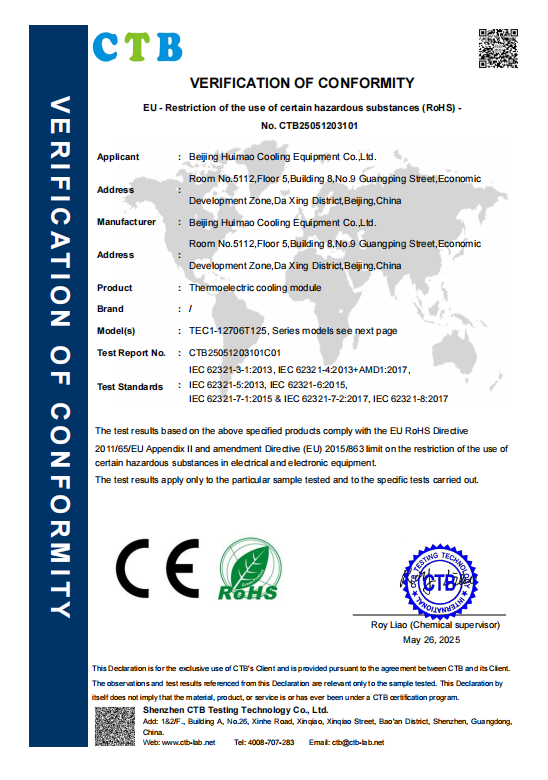
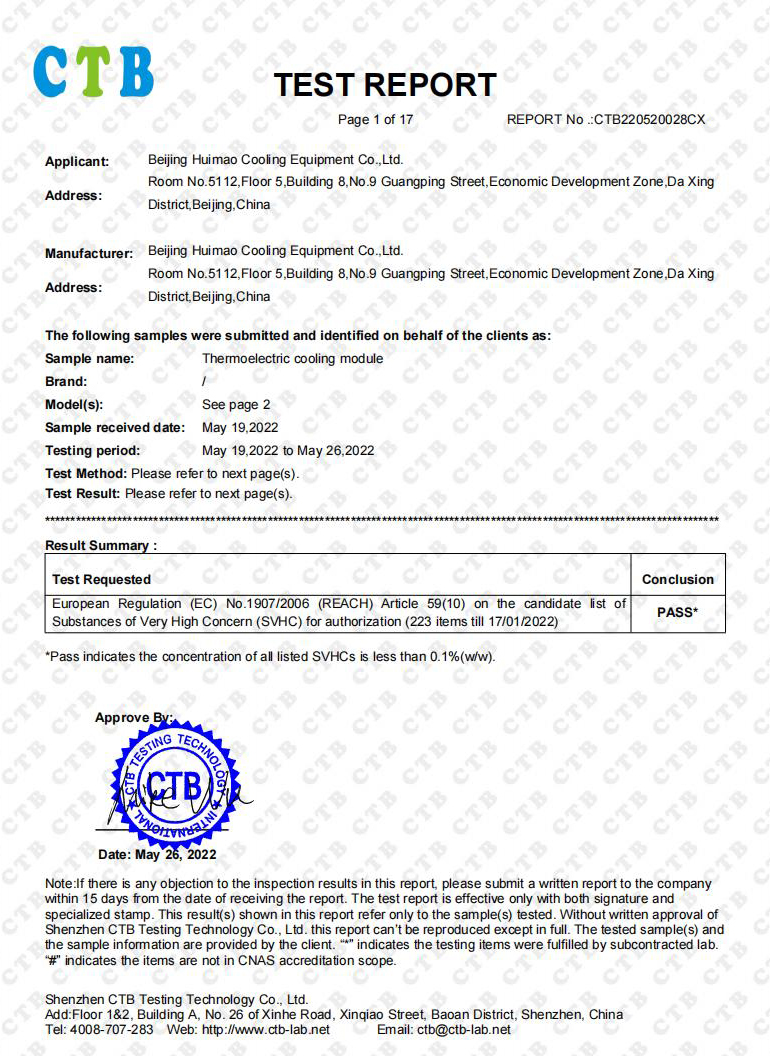
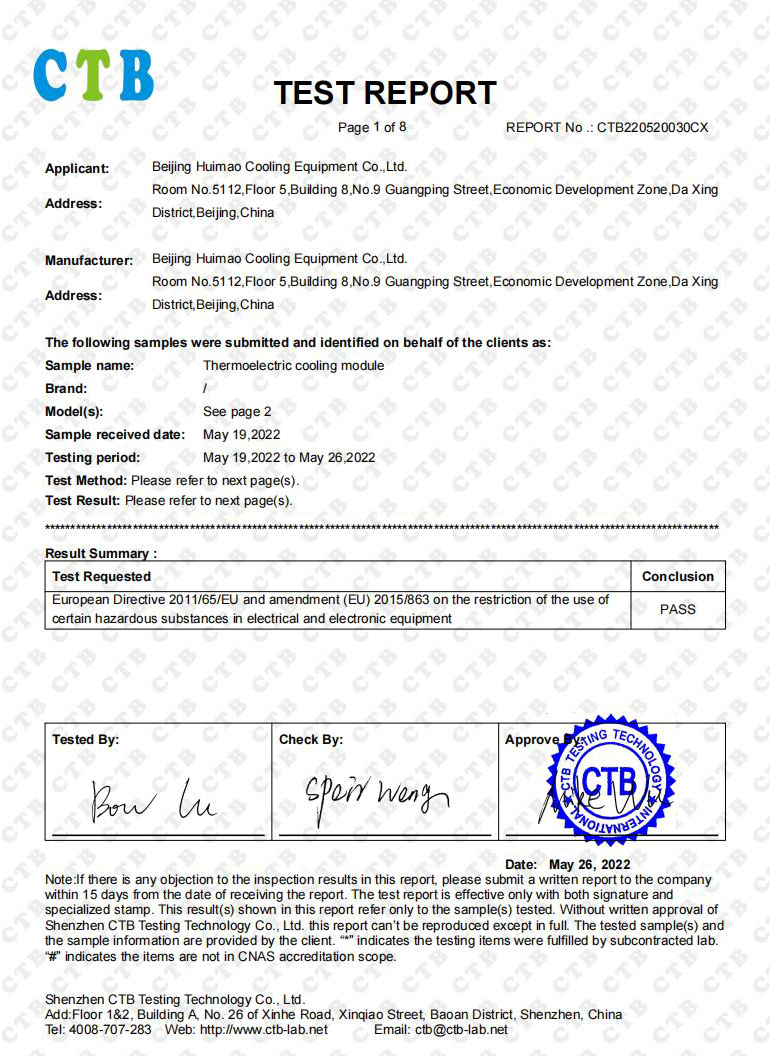
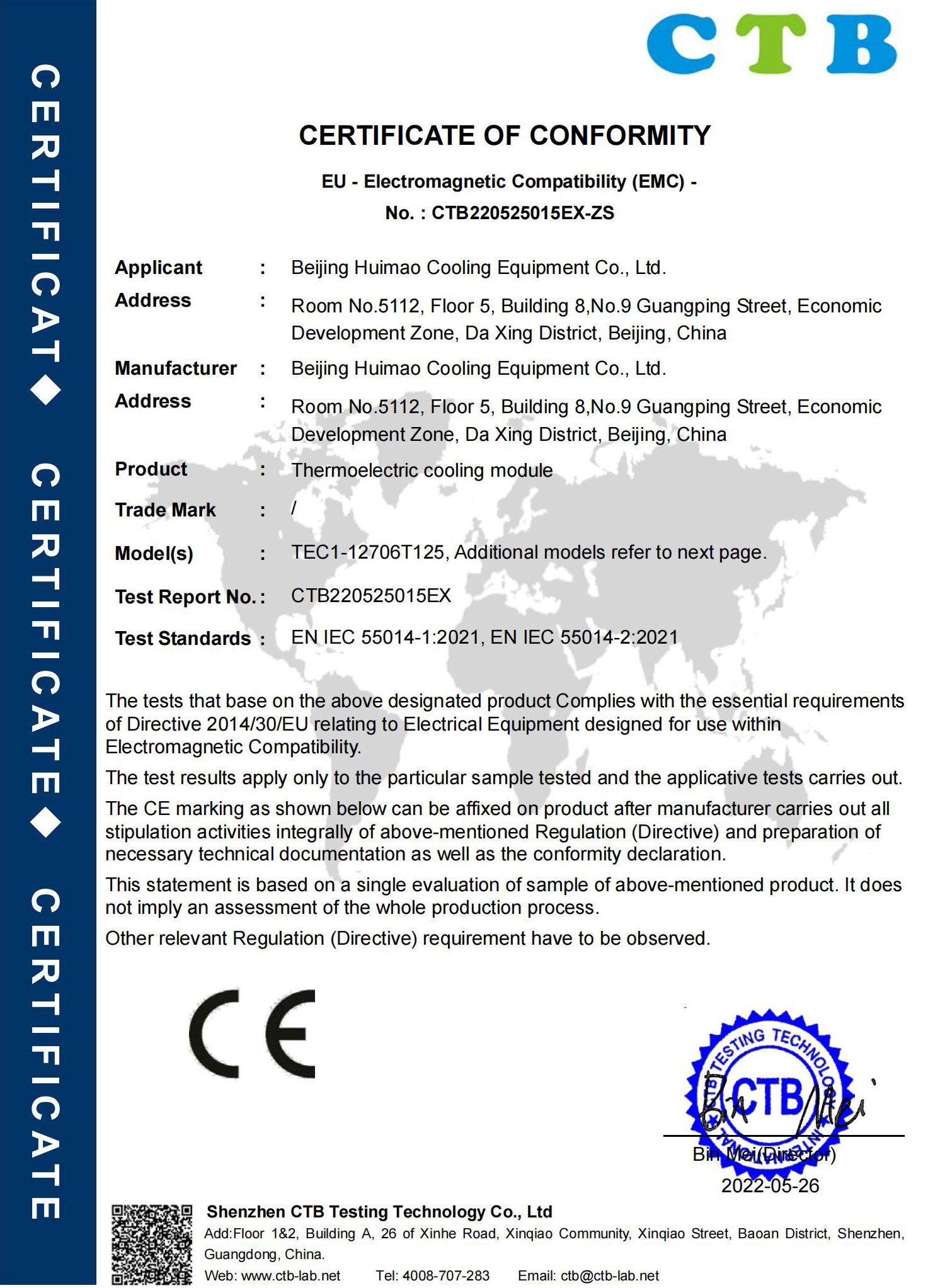
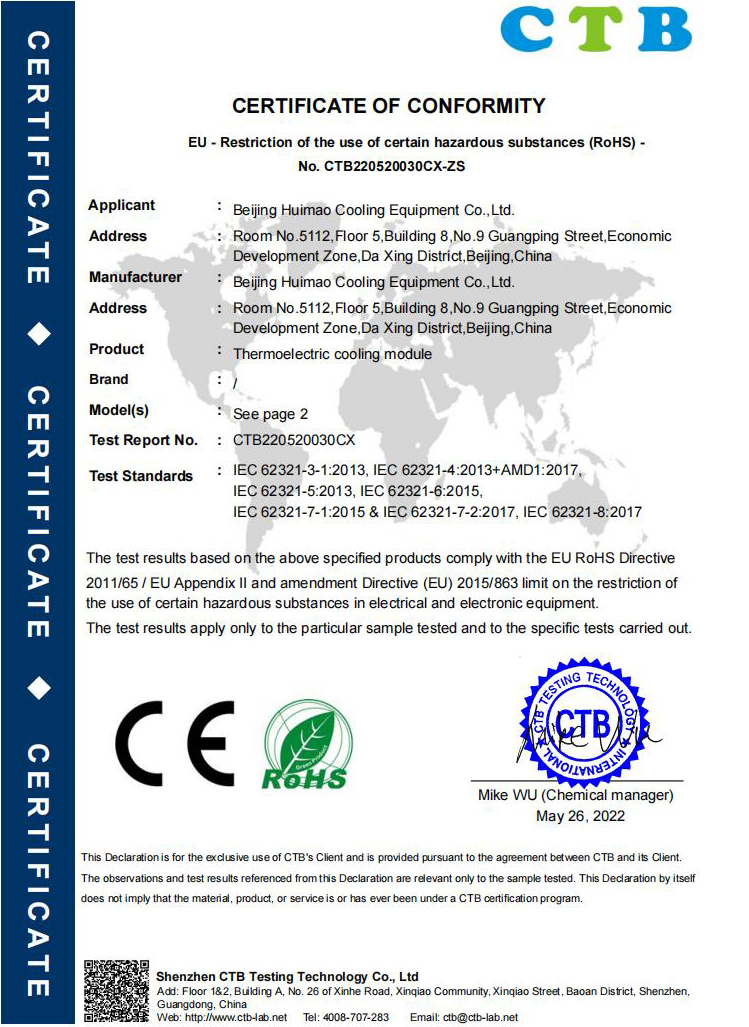
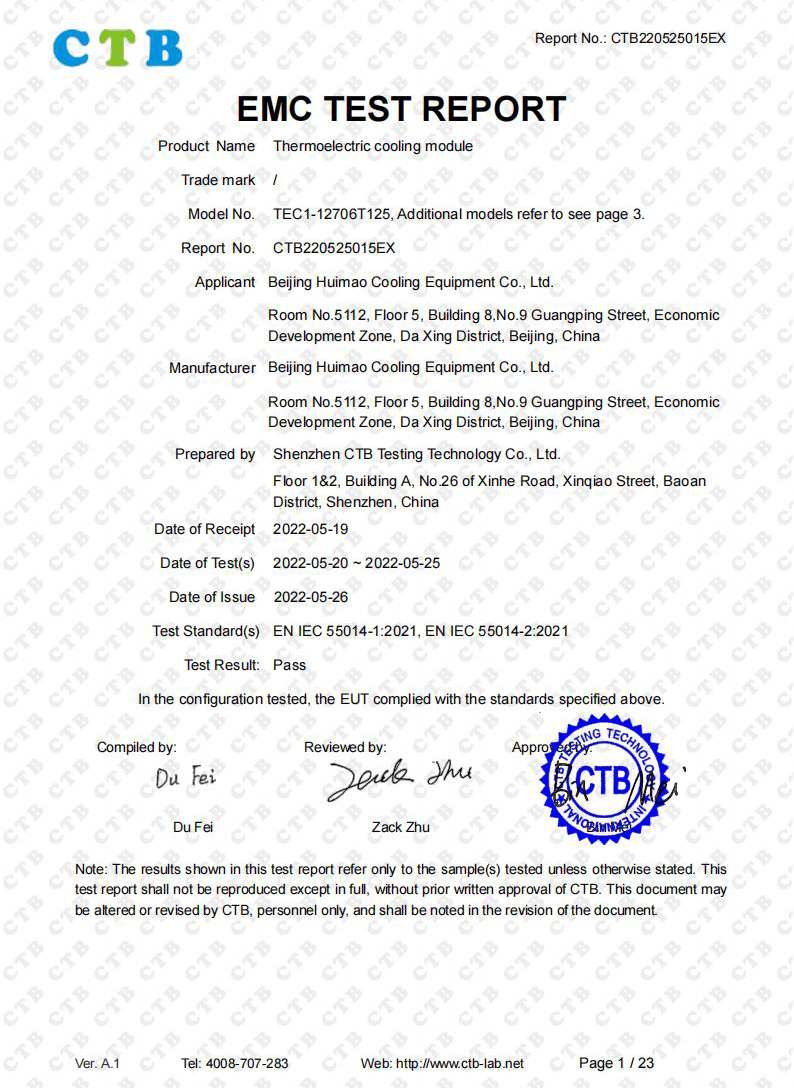
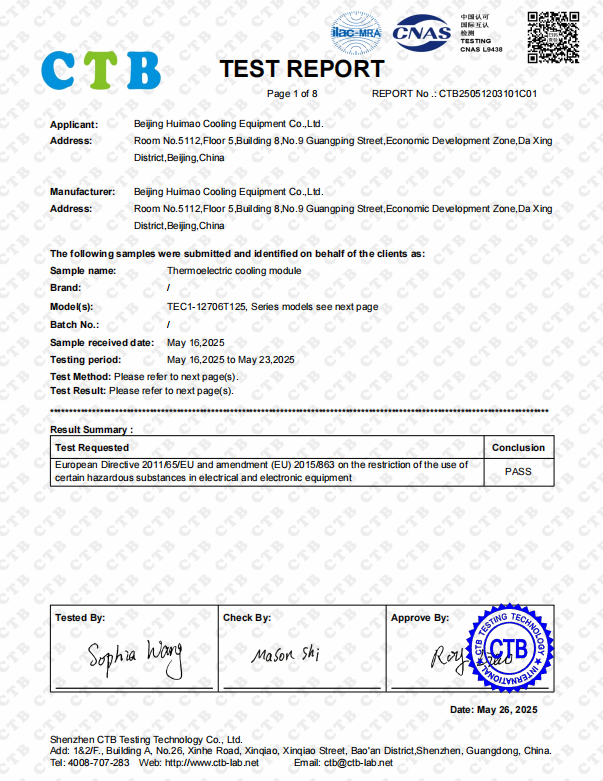
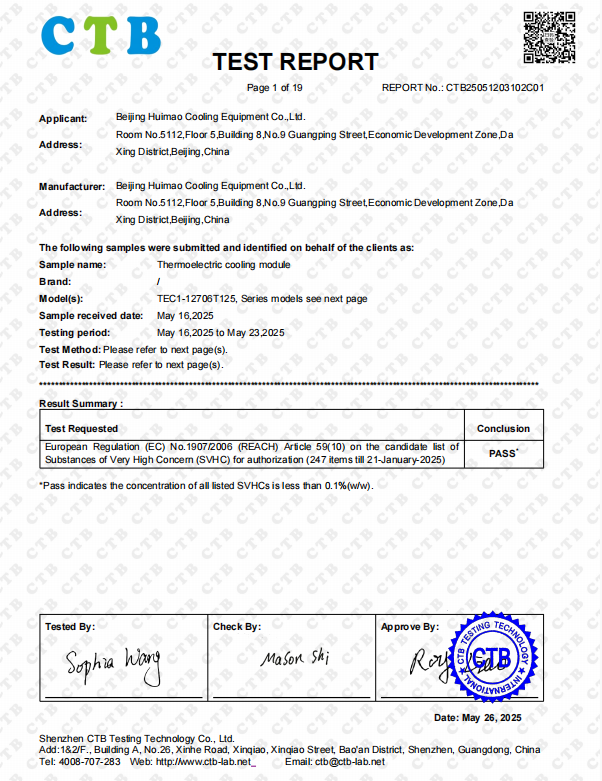
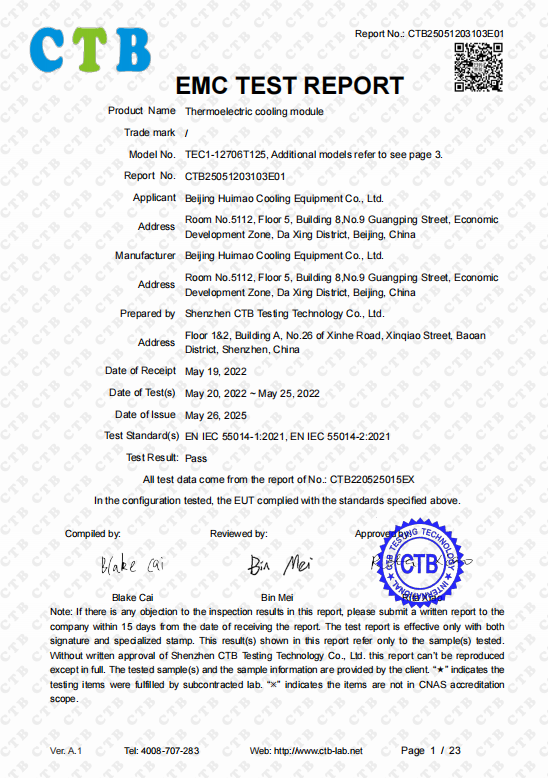
Ensuring quality and maintaining high reliability are the primary strategic goals for Huimao’s engineering team. All Huimao products undergo strict evaluation and testing prior to shipment. Every module must pass two anti-moisture testing procedures to ensure that protection mechanisms are fully functional and to prevent future failures caused by moisture ingress. In addition, more than ten quality control points are integrated into our manufacturing lines to supervise the production process.
Huimao’s thermoelectric cooling modules have an average expected useful life of 300,000 hours. Our products have also passed severe thermal cycling tests, alternating between cooling and heating modes over short intervals. This test is conducted by repeatedly cycling electrical current: connecting the TEC module to a current for 6 seconds, pausing for 18 seconds, and then applying the opposite current for 6 seconds. During this process, the hot side of the module can reach temperatures as high as 125°C within 6 seconds before cooling down. This cycle is repeated 900 times over a total testing duration of 12 hours, ensuring the modules can withstand demanding operating environments.
Comprehensive Thermoelectric Product Catalog
Explore our complete range of standard and customized cooling modules, generators, and thermal units
-

E-mail
-

Phone
-

Top


