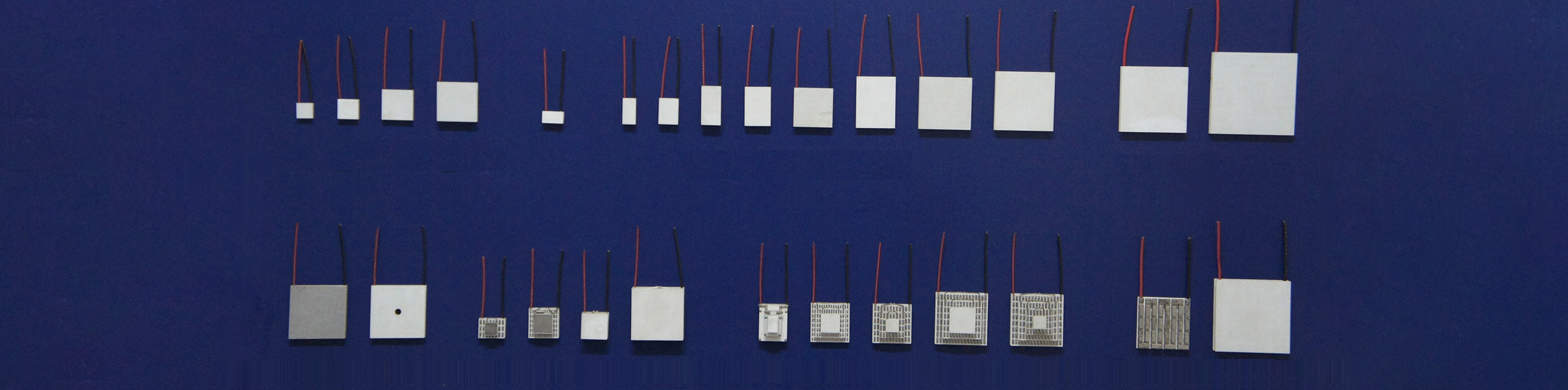
The integration of thermoelectric cooling (TEC) modules into personal thermoelectric cooling vests—commonly referred to as active cooling vests or wearable air-conditioning systems—leverages their compact form factor, low mass, near-silent operation, and capacity for precise, dynamic thermal regulation. These attributes enable effective, localized thermoregulation for users exposed to high-temperature environments lacking conventional air-conditioning infrastructure. Applications span diverse domains, with primary use cases categorized as follows:
1. Industrial and hazardous occupational settings
In metallurgical processing, foundry operations, glass manufacturing, and other high-heat, high-humidity industrial environments, TEC-based cooling vests function as engineered personal protective equipment (PPE), mitigating heat stress by reducing core body temperature, alleviating cardiovascular strain, and lowering the risk of heat-related illness—including exertional heat stroke and sudden cardiac events.
2. Extended-duration outdoor operations and field inspections
For personnel engaged in prolonged open-air work—including law enforcement officers, municipal sanitation staff, utility line technicians, railway maintenance crews, construction workers, and oilfield field operators—thermoelectric cooling vest,TEC vests deliver sustained, stable cooling performance. This supports physiological resilience, cognitive acuity, and operational safety under thermal stress.
3. Performance-oriented outdoor recreation
During endurance-based activities such as mountaineering, cycling, golf, and angling, advanced TEC vests, thermoelectric vest(thermoelectric air condition vest)—particularly fourth-generation systems incorporating hybrid water-circulation thermal management—provide uniform dorsal cooling, accelerate convective and conductive heat dissipation, and enhance thermal comfort without compromising mobility.
4. Urban mobility and lifestyle applications
Advancements in miniaturization, power efficiency, and ergonomic design have transitioned TEC cooling vests from niche occupational tools to mainstream wearable technology. Contemporary models feature dual parallel TEC arrays, matrix-integrated thermal management, and ultra-quiet operation—enabling consistent skin-surface temperature maintenance (~20 °C) even under ambient conditions exceeding 40 °C, thereby supporting daily commuting, tourism, cultural events, and other non-industrial contexts.
5. Clinical and rehabilitative applications
Emerging TEC vests ,thermoelectric air condition vest equipped with closed-loop biometric feedback—integrating real-time surface temperature and heart rate monitoring with adaptive PID-based thermal control algorithms—offer programmable, individualized thermoregulation. These systems hold promise for clinical rehabilitation protocols, post-operative thermoregulatory support, and specialized occupational health interventions.
Technological progression and comparative advantages
Relative to first-generation ice-pack vests and second-generation evaporative micro-fan suits, third- and fourth-generation thermoelectric ,TEC-based cooling systems resolve longstanding limitations—including bulkiness, acoustic intrusion, and evaporative discomfort due to sweat accumulation. By combining solid-state thermoelectric efficiency with intelligent thermal management, modern TEC vests achieve unprecedented wear ability: lightweight construction, silent operation, and robust setpoint temperature stability—collectively elevating user compliance, physiological efficacy, and long-term usability.
Post time: Oct-13-2026


